Introduction
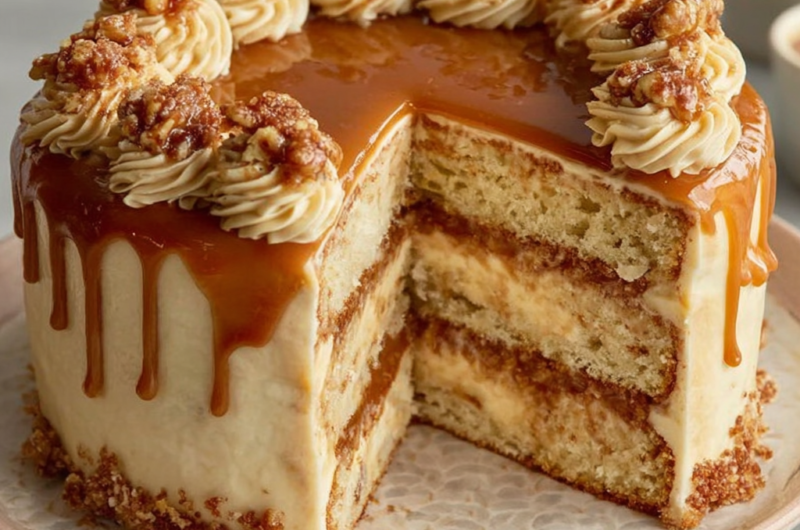
Caramel Cloud Cake is a sumptuous dessert that balances lightness with the rich flavors of caramel. This cake is perfect for special occasions or simply as a delectable treat to enjoy at home. Its fluffy texture, paired with a smooth caramel glaze, creates a luxurious experience that is surprisingly approachable for home cooks.
The beauty of this cake lies in its simplicity and the mastery of technique rather than difficulty. Each layer is crafted to showcase the flavors while remaining light enough that you’ll want to come back for another slice. Perfect for gatherings or a sweet afternoon indulgence, this cake will become a favorite.
Ingredients
- 2 cups all-purpose flour
The backbone of the cake, all-purpose flour provides structure and texture. This is essential for achieving the light, airy quality expected in a cloud cake. - 1 ½ cups granulated sugar
Sugar not only sweetens the cake but also aids in creating a tender crumb through its ability to hold moisture. It also contributes to the caramelization process in the frosting. - ½ cup unsalted butter, softened
Butter adds richness and flavor, giving the cake its delicate crumb. Its fat content ensures the cake remains moist and adds a luxurious mouthfeel. - 1 cup buttermilk, room temperature
Buttermilk activates the baking soda, leading to a lighter cake. Its acidity also tenderizes the flour, making the cake soft and fluffy. - 3 large eggs
Eggs provide structure and moisture, binding the ingredients together and adding richness. The whipped egg whites will contribute significantly to the cloud-like texture. - 2 teaspoons baking powder
This leavening agent helps the cake rise, ensuring that it has the airy, light quality that defines a cloud cake. - 1 teaspoon salt
Salt enhances sweetness and balances flavors, ensuring that the overall taste of the cake isn't flat but rather complex. - 1 cup caramel sauce
Caramel sauce gives the cake its signature flavor and acts as a topping that enhances visual appeal while adding a sticky sweetness. - Whipped cream for frosting (about 2 cups)
Whipped cream provides a light and airy element to the cake. It complements the density of the cake without overwhelming the palate.
Directions & Preparation
Step 1: Preheat the oven to 350°F (175°C) and prepare cake pans.
Preheating ensures that the cake bakes evenly from the moment it goes into the oven. Preparing the pans by greasing and flouring them will prevent sticking and help with clean removal once baked.
Step 2: In a large mixing bowl, cream together the softened butter and granulated sugar until light and fluffy.
Creaming the butter and sugar incorporates air into the mixture, essential for achieving the fluffy texture. Aim for a pale color and a light consistency, which indicates proper aeration.
Step 3: Add the eggs one at a time, mixing well after each addition, then stir in the buttermilk.
Adding eggs gradually allows for better emulsification, leading to a smoother batter. The buttermilk, added afterward, contributes to a moist cake and brings a slight tanginess that complements the sweetness.
Step 4: In a separate bowl, whisk together the flour, baking powder, and salt.
This step ensures even distribution of the leavening agent and salt throughout the flour before it's combined with the wet ingredients, preventing lumps and uneven rising.
Step 5: Gradually add the dry ingredients to the wet mixture, stirring just until combined and no dry streaks remain.
Overmixing can develop gluten, leading to a denser cake. Gently folding the ingredients combines them without overstressing the batter, keeping it airy.
Step 6: Divide the batter evenly between prepared cake pans and level the tops.
Evenly dividing the batter helps the cakes rise uniformly, ensuring that they bake at the same rate. Leveling the tops creates a flat surface, which is important for assembling the layers later.
Step 7: Bake for 25-30 minutes or until a toothpick inserted in the center comes out clean.
Baking time will vary based on oven calibration, so checking for doneness ensures the cake is not under or overbaked. A clean toothpick indicates the internal structure is set.
Step 8: Allow the cakes to cool in the pans for 10 minutes before transferring to wire racks.
Cooling in the pans allows the structure to stabilize, making it easier to remove without breaking. Transferring to wire racks promotes even cooling, preventing sogginess.
Step 9: Once cooled, layer the cakes with whipped cream and drizzle the caramel sauce on top.
Layering with whipped cream adds lightness that contrasts beautifully with the caramel's richness. Drizzling caramel on top enhances flavor and adds visual appeal.
Step 10: Chill the cake for about an hour before serving to set the layers and flavors.
Chilling gives the whipped cream time to firm up, allowing for better slices and a more cohesive flavor profile as the cake gets slightly firmer.

The Role of Caramel in Texture and Flavor
Caramel is more than just a topping for the Cake; it plays a pivotal role in the overall texture and flavor profile. The rich, buttery taste of caramel complements the light fluffiness of the cake, creating a beautiful contrast that tantalizes the taste buds. The inherent sweetness of the caramel enhances the cake without overpowering it, making each bite a delightful experience.
Creating the Fluffy Layering Technique
Layering is key to achieving the signature cloud-like texture. By alternating between layers of cake and whipped cream, you create a lightness that defines this dessert. Gentle handling is crucial; using a spatula to spread the whipped cream helps maintain the airy consistency. This balance of cake and cream provides a satisfying contrast that melts in the mouth.
Choosing the Perfect Caramel Sauce
Opt for a high-quality caramel sauce to elevate this dessert. Whether you choose homemade or store-bought, the flavor intensity can significantly impact the overall experience. A sauce with deeper notes of butterscotch or a slight sprinkle of sea salt can enhance the complexity, making your Caramel Cloud Cake not only delicious but memorable.
FAQs
What should I do if my cake feels too dense?
If your cake is dense, check to ensure the butter and sugar were properly creamed, as this step incorporates air. Overmixing can also contribute to density, so mix until just combined.
Can I scale this recipe for a larger gathering?
Yes, you can double the ingredients for a larger cake. Use bigger pans and adjust the baking time accordingly as larger cakes may take longer to cook through.
How can I enhance the caramel flavor in the frosting?
To boost the caramel flavor, consider adding a teaspoon of vanilla extract to the whipped cream or an additional swirl of caramel sauce in between layers.
What if my caramel sauce crystallizes when cooling?
If your caramel crystallizes, reheat it gently and stir until it melts again. Adding a few drops of lemon juice can help prevent crystallization.
Is it possible to add nuts or chocolate chips to the cake?
Yes, you can fold in nuts or chocolate chips into the batter for added texture. Just be mindful that they may weigh the cake down slightly.
Why did my whipped cream deflate?
If your whipped cream deflates, it might not have been whipped to the right stiffness or was overwhipped. Ensure your mixing bowl and cream are chilled for best results.
Conclusion
Caramel Cloud Cake is not only a feast for the eyes but also a testament to the delicate balance of flavors and textures that can be achieved with careful preparation. Each layer, from the soft cake to the fluffy whipped cream and luxurious caramel, invites you to savor every moment.
With this recipe in hand, you can create a showstopper dessert that will leave your guests in awe. Enjoy the process, and don’t hesitate to make this cake your own by experimenting with flavors and presentation.
Recipe Card
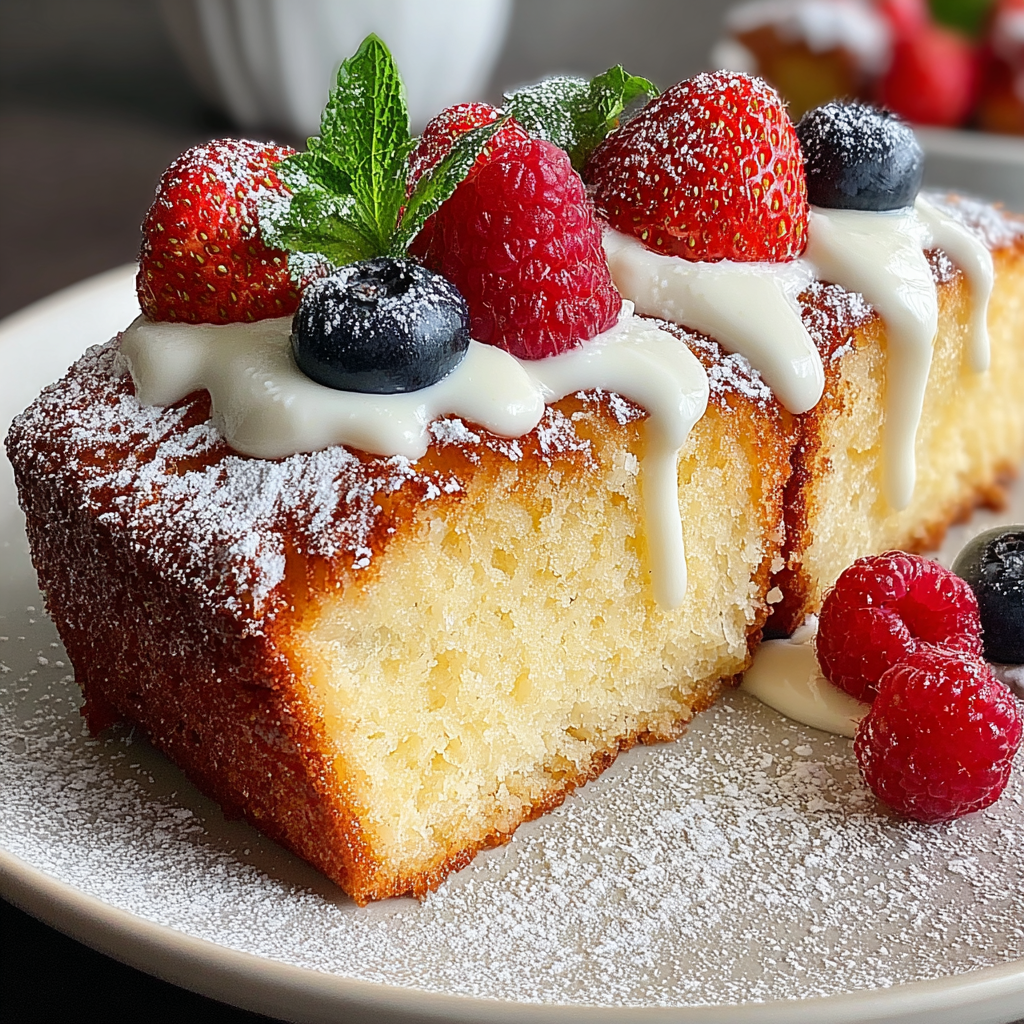
Deliciously Tangy Greek Yogurt Cake Recipe
Ingredients
Method
- Preheat your oven to 350°F (175°C) and prepare a 9-inch round cake pan by greasing it and lining the bottom with parchment paper.
- In a large bowl, whisk together the Greek yogurt, granulated sugar, and eggs until fully combined.
- Add vegetable oil and vanilla extract to the mixture, whisking until smooth and uniform in color.
- In a separate bowl, mix the all-purpose flour, baking powder, and salt.
- Gradually incorporate the dry ingredients into the wet mixture, folding gently until just combined.
- Pour the batter into the prepared cake pan and smooth the top with a spatula.
- Bake in the preheated oven for 30-35 minutes or until a toothpick inserted into the center comes out clean.
- Allow the cake to cool in the pan for 10 minutes before transferring it to a wire rack to cool completely.
Notes
Additional serving suggestions: pair with a crisp salad, garlic bread, or roasted seasonal vegetables for balance.
For make-ahead, prep components separately and assemble just before heating to preserve texture.
Taste and adjust with acid (lemon/vinegar) and salt right at the end to wake up flavors.


