Introduction
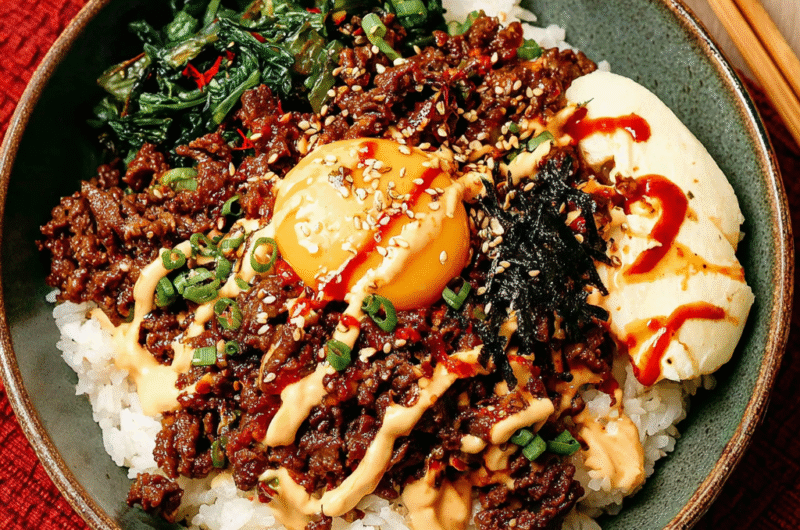
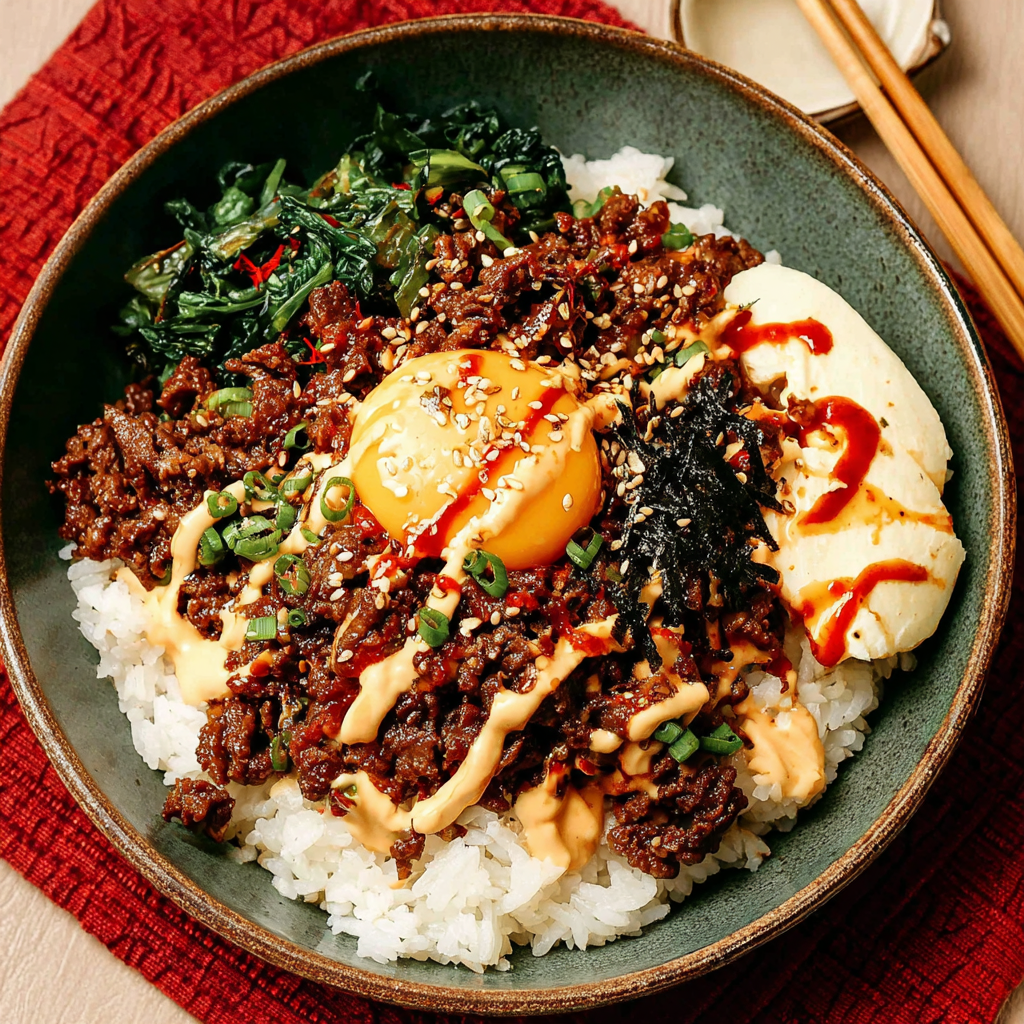
Korean Beef Bulgogi Bowls are a delightful representation of sweet and savory flavors that make Korean cuisine so appealing. This dish pairs marinated beef with fresh vegetables and warm rice, creating a hearty meal that is as beautiful as it is delicious. The addition of a creamy gochujang sauce brings a luscious touch to every bite, enhancing the overall experience with its subtle heat and rich flavor.
Whether you're a seasoned cook or just starting your culinary journey, making Bulgogi bowls at home is an accessible and rewarding endeavor. With a few simple ingredients and some mindful preparation, you'll impress your family and friends with a vibrant, flavor-packed meal that celebrates the heart of Korean cooking.
Ingredients
- 1 lb thinly sliced beef sirloin
Beef sirloin is ideal for bulgogi due to its tenderness and rich flavor. The thinly sliced meat allows for quick cooking and absorption of the marinade, creating a juicy and delicious protein base for your bowl. - 1/4 cup soy sauce
Soy sauce is a key ingredient in the marinade, providing a salty depth of flavor that complements the sweetness of other ingredients. It helps tenderize the beef while infusing it with umami goodness. - 2 tablespoons brown sugar
Brown sugar adds a subtle sweetness that balances the savory notes of the soy sauce. It caramelizes slightly during cooking, creating a delicious glaze on the beef. - 2 tablespoons sesame oil
Sesame oil imparts a nutty aroma and richness to the dish. This oil enhances the overall flavor profile, rounding out the marinade. - 4 cloves garlic, minced
Garlic is a flavor powerhouse that adds aromatic depth. It infuses the marinated beef with a fragrant quality that enhances the overall taste of the dish. - 1 tablespoon grated ginger
Ginger provides a refreshing zing and works wonderfully in balance with the other flavors. Its warmth complements the beef and adds complexity to the marinade. - 1 cup cooked jasmine rice
Jasmine rice serves as the hearty base for the bowl, providing a fluffy and slightly aromatic platform for the beef and vegetables. Its texture pairs well with the saucy elements of the dish. - 1 cup mixed vegetables (carrots, bell pepper, cucumber)
Fresh vegetables like carrots, bell peppers, and cucumber not only add vibrant color but also provide crunch and freshness that contrast beautifully with the savory beef and creamy sauce. - 1/4 cup gochujang
Gochujang is a Korean chili paste that offers a rich, complex heat. In the creamy sauce, it lends a beautiful depth while bringing the signature spice of Korean cuisine to the dish. - 1/2 cup mayonnaise
Mayonnaise provides a creamy texture that balances the heat of the gochujang. It creates a rich, smooth sauce that enhances the flavors and serves as a delightful contrast to the beef. - 1 tablespoon rice vinegar
Rice vinegar adds a touch of acidity that brightens the sauce. This acidity helps to cut through the richness of the mayonnaise and rounds out the flavor profile. - Sesame seeds and sliced green onions for garnish
Garnishes like sesame seeds and green onions not only enhance the dish visually but also add texture and a hint of fresh flavor. They elevate the presentation and provide an added touch of authenticity.
Directions & Preparation
Step 1: Prepare the marinade and marinate the beef.
Start by combining soy sauce, brown sugar, sesame oil, minced garlic, and grated ginger in a bowl. Mix well until the sugar dissolves. Add the thinly sliced beef to the marinade, ensuring each piece is well-coated. Cover and refrigerate for at least 30 minutes, allowing the flavors to meld and the beef to tenderize during this crucial step.
Step 2: Cook the marinated beef.
Heat a large skillet or grill pan over medium-high heat. Once hot, add the marinated beef in a single layer, making sure not to overcrowd the pan. Cook for about 5-7 minutes, turning as needed until the beef is browned and cooked through. This step allows for maximum caramelization and flavor development, making the beef deliciously savory.
Step 3: Prepare the creamy gochujang sauce.
In a small bowl, whisk together gochujang, mayonnaise, and rice vinegar until smooth and well combined. Taste and adjust the seasoning if necessary. This sauce adds a creamy heat element to the dish, balancing the savory flavors of the beef and enhancing the overall taste of your bowl.
Step 4: Assemble the beef bulgogi bowls.
Divide the cooked jasmine rice among bowls, then layer on the cooked beef and mixed vegetables. Drizzle generously with the creamy gochujang sauce. This step is essential as it allows for personal customization—each bowl can be tailored to suit your tastes, making the meal interactive and festivities.
Step 5: Garnish and serve.
Finish your bowls with a sprinkle of sesame seeds and sliced green onions for a pop of flavor and texture. Serve immediately while the bowls are warm. The garnishes not only enhance the presentation but also add layers of flavor, making each bite more enjoyable.

Marinating for Flavorful Perfection
The marinade for the beef is where magic happens; it infuses the meat with flavors that resonate throughout the dish. Allowing the beef to soak up the marinade for at least 30 minutes—or longer if you have time—maximizes tenderness and enhances flavor penetration. This process transforms the beef from ordinary to extraordinary, ensuring each bite is packed with deliciousness.
Crafting the Creamy Gochujang Sauce
The creamy gochujang sauce is not just another condiment; it’s the heart of the bulgogi bowl. By blending gochujang with mayonnaise and a splash of rice vinegar, you achieve a perfect balance of creaminess and spice. This sauce elevates the dish, giving it that quintessential Korean kick while providing refreshing coolness that complements the savory beef perfectly.
Personalizing Your Bowl
Bulgogi bowls are wonderfully adaptable, allowing you to customize according to your preferences. Experiment with a variety of fresh vegetables, such as spinach, radishes, or even kimchi, to create your perfect bowl. Each ingredient not only enhances the visual appeal but also contributes different textures and flavors, making your meal uniquely yours and ensuring there’s something for everyone.
FAQs
What kind of beef is best for bulgogi?
For bulgogi, beef sirloin is ideal due to its tenderness. Flank steak is another great option if sirloin isn't available, as it also absorbs marinades well.
How can I ensure my beef doesn’t turn out tough?
To prevent tough beef, slice it against the grain and ensure you marinate it for at least 30 minutes. Cooking on high heat for a shorter time also helps maintain tenderness.
Can I use frozen vegetables instead of fresh?
Yes, you can use frozen vegetables. Just be sure to thaw and drain them well before adding to the dish to avoid extra moisture and sogginess.
What if my gochujang sauce is too spicy?
If the sauce is too spicy, you can mix in additional mayonnaise or a splash of honey to balance the heat and create a creamier texture.
How can I incorporate more veggies into this dish?
You can easily add more vegetables by including options like snap peas, bean sprouts, or sautéed mushrooms. Just be sure to adjust the cooking time accordingly.
Can I serve this dish with a different grain?
Absolutely! While jasmine rice is traditional, feel free to use quinoa, brown rice, or even cauliflower rice for a healthy twist.
Conclusion
Korean Beef Bulgogi Bowls with Creamy Gochujang Sauce are not just a meal—they are an experience. From the captivating scents wafting through your kitchen to the bright colors plating up beautifully in bowls, this dish brings joy to both cooking and dining.
By crafting your version of this beloved Korean dish, you’re not just feeding yourself; you’re connecting with a rich culinary heritage. Embrace the flavors and make this recipe your own for a fulfilling culinary adventure.
Recipe Card
Korean Beef Bulgogi Bowls with Creamy Gochujang Sauce
Ingredients
Method
- Prepare the marinade and marinate the beef.
- Cook the marinated beef.
- Prepare the creamy gochujang sauce.
- Assemble the beef bulgogi bowls.
- Garnish and serve.
Notes
Additional serving suggestions: pair with a crisp salad, garlic bread, or roasted seasonal vegetables for balance.
For make-ahead, prep components separately and assemble just before heating to preserve texture.
Taste and adjust with acid (lemon/vinegar) and salt right at the end to wake up flavors.


