Introduction
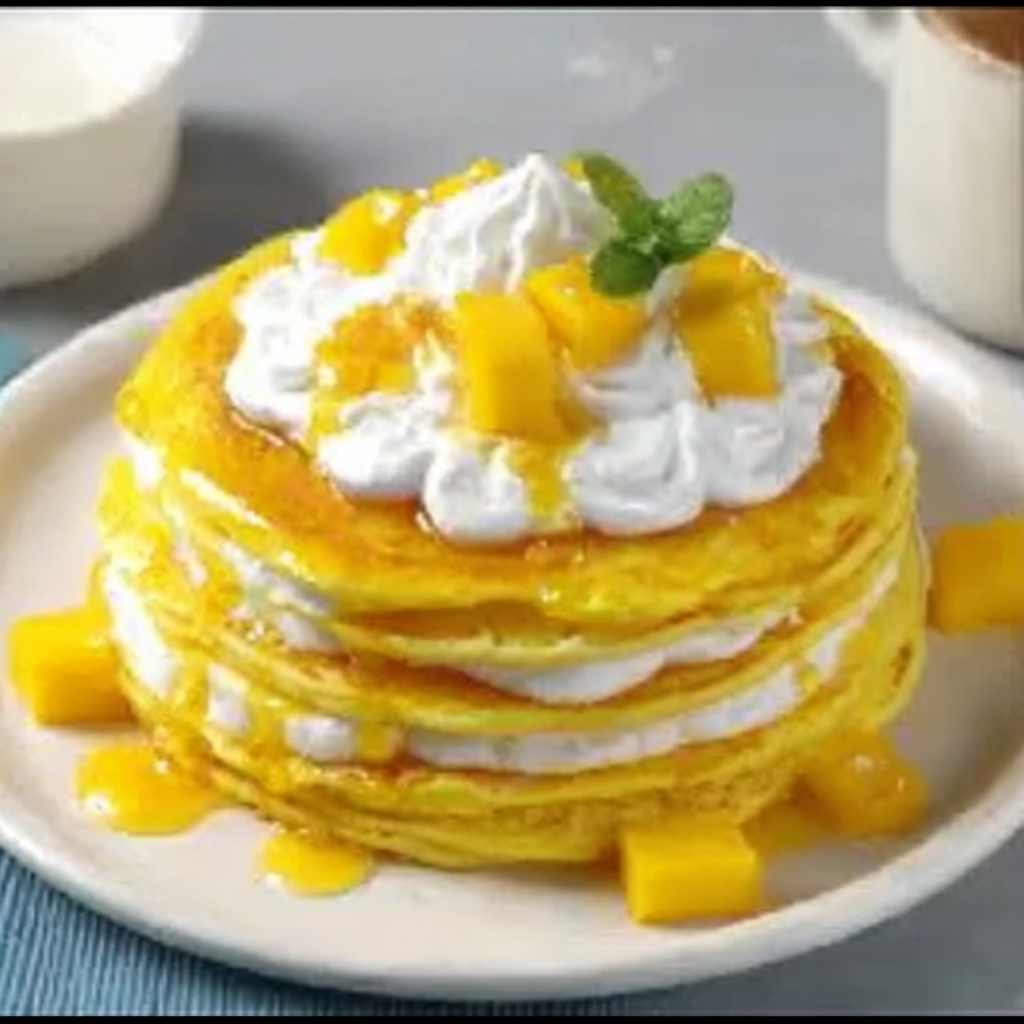
Yum Cha, a delightful Chinese dining tradition, often features an array of small plates and desserts, among which mango pancakes stand out for their refreshing flavor and sumptuous texture. These soft, crepe-like pancakes filled with ripe mango and whipped cream are a crowd-pleaser, offering a perfect balance of sweetness and lush fruit. Making them at home may seem daunting, but with the right ingredients and some guidance, you can create a beautiful dessert that impresses family and friends.
Whether you’re celebrating a special occasion or simply indulging in something delightful, these mango pancakes offer a taste of luxury in your own kitchen. The key is to allow each component to shine, particularly the freshness of the mangoes and the lightness of the cream. As you embark on this culinary journey, remember that patience and careful preparation are your allies.
Ingredients
- 1 cup all-purpose flour
The foundation of your pancakes, all-purpose flour gives the needed structure and stability. It helps create a soft and pliable texture that is essential for these delicate pancakes. - 1 ½ cups milk
Milk contributes to the moisture content of the batter, ensuring the pancakes remain soft and tender. It also adds a subtle richness that complements the mango filling. - 2 large eggs
Eggs act as a binding agent, helping to hold the pancake batter together, while also enriching the flavor. They contribute to the overall fluffiness of the pancakes. - 2 tablespoons sugar
Sugar balances out the flavors in the batter, providing a hint of sweetness. It also aids in achieving a golden color when the pancakes are cooked. - 1 teaspoon vanilla extract
Vanilla adds a warm, aromatic quality to the pancakes, enhancing the overall flavor profile and making them taste even more indulgent. - 2 ripe mangoes, peeled and diced
Fresh mango is the star filling of this dish; its natural sweetness and juicy texture provide a refreshing contrast to the creamy elements. - 1 cup heavy whipping cream
This creates a rich, fluffy filling. When whipped, it adds lightness to the pancakes and complements the fruity mango nicely. - 1 tablespoon powdered sugar
Powdered sugar sweetens the whipped cream without the grit of granulated sugar, ensuring a smooth and creamy filling. - A pinch of salt
Salt enhances the overall flavor, bringing out the sweetness of the mango and cream while balancing the richness of the batter.
Directions & Preparation
Step 1: Prepare the pancake batter by mixing dry ingredients.
In a mixing bowl, combine the flour, sugar, and a pinch of salt. This step is crucial as it ensures that your dry ingredients are evenly distributed, helping the pancakes to cook uniformly. Use a whisk to blend them together until no lumps remain.
Step 2: Mix eggs and milk in a separate bowl.
In another bowl, beat the eggs and add the milk, along with vanilla extract. This mixture will contribute moisture to your batter, creating a smooth pancake texture. Whisk to combine well, ensuring the eggs are fully integrated with the liquid.
Step 3: Combine the wet and dry ingredients.
Pour the wet mixture into the bowl with the dry ingredients. Gently stir until just combined; a few lumps are acceptable. Overmixing can lead to tough pancakes, so it's important to maintain a light hand to ensure tenderness in the final product.
Step 4: Heat a non-stick pan and grease lightly.
Preheat a non-stick skillet over medium heat, adding a small amount of oil or butter. This step is necessary to create a non-stick surface for your pancakes, ensuring they cook evenly and do not stick, allowing for easy flipping.
Step 5: Cook the pancakes until golden brown on both sides.
Ladle about ¼ cup of batter onto the skillet for each pancake. Cook until you see bubbles forming on the surface, about 2-3 minutes, then flip and cook for an additional 2 minutes. Proper cooking allows both sides to develop a lovely golden color and prevents them from being gooey inside.
Step 6: Prepare the filling by whipping the cream.
In a clean bowl, beat the heavy whipping cream with powdered sugar until soft peaks form. This step creates a light and airy filling that complements the mango perfectly. Be sure not to overwhip, as this can turn the cream into butter.
Step 7: Assemble pancakes with mango and whipped cream.
Take a cooked pancake and place a few pieces of fresh mango and a dollop of whipped cream in the center. Fold the pancake over the filling to create a pocket. This step is where the contrast of flavors and textures starts to come together, providing the delectable taste that defines Yum Cha mango pancakes.
Step 8: Serve and enjoy immediately for best results.
These pancakes are best served warm, allowing the flavors to meld beautifully. You can dust them with a little extra powdered sugar or serve with more fresh mango on top. The freshness makes a real difference, so enjoy the pancakes right after assembling for maximum enjoyment.

The Importance of Fresh Mango
Using ripe, fresh mango is crucial for this recipe, as it enhances the overall flavor and creates a delightful contrast with the creamy filling. Selecting mangoes that yield slightly when pressed indicates their ripeness. Ripe mangoes will add a natural sweetness and juicy texture that complements the rich whipped cream, creating a truly indulgent dessert.
Whipping Technique for Cream Perfection
The method of whipping cream can significantly impact the final texture of your filling. Ensure that your mixing bowl and beaters are cold to help the cream achieve its full volume. Whipping to soft peaks provides a light, airy texture, which is ideal for folding with mango. Overwhipping can lead to butter, so keep a close watch on the process.
Customizing Your Pancake Experience
Feel free to add your twist to the traditional mango pancake. You might include a swirl of passionfruit puree for a tropical flair or sprinkle in shredded coconut for added texture. The versatility of the pancake allows you to experiment with flavors, and each variation can provide a unique taste experience while staying true to the dish's roots.
FAQs
Can I use frozen mango for the filling?
While fresh mangoes are recommended for their flavor and texture, you can use frozen mango if fresh isn't available. Just be sure to thaw and drain them well to avoid excess moisture in your filling.
What should I do if the pancake batter is too thick?
If your batter is too thick, simply add a little more milk, one tablespoon at a time, until you achieve a pourable consistency. This ensures that the pancakes cook evenly and remain tender.
Are there alternatives for heavy cream?
If you're looking to lighten the recipe, you can substitute heavy cream with a mixture of half and half and some whipped topping, though the texture and richness will differ.
How can I make the pancakes sweeter?
If you prefer a sweeter pancake, you can increase the amount of sugar in the batter slightly or drizzle a honey or syrup over the assembled pancakes before serving.
What to do if pancakes turn out chewy?
Chewy pancakes may result from overmixing the batter or cooking them at too high a temperature. Be sure to mix just until combined and maintain a moderate cooking heat.
How can I make a smaller batch of pancakes?
To scale down the recipe, simply halve all the ingredients. This will help you make fewer pancakes while maintaining the same flavor and texture.
Conclusion
Creating Yum Cha mango pancakes in your own kitchen is a rewarding experience that allows you to showcase your culinary skills while indulging in a delicious treat. The combination of soft pancakes, fresh mango, and luscious whipped cream makes for a delightful dessert that can impress anyone at the table.
As you experiment with this recipe, don't hesitate to try different variations and personal touches. Whether you enjoy them on a festive occasion or as a simple indulgence, these pancakes are sure to bring joy and satisfaction to your home cooking adventures.
Recipe Card
Notes
Additional serving suggestions: pair with a crisp salad, garlic bread, or roasted seasonal vegetables for balance.
For make-ahead, prep components separately and assemble just before heating to preserve texture.
Taste and adjust with acid (lemon/vinegar) and salt right at the end to wake up flavors.


