Introduction
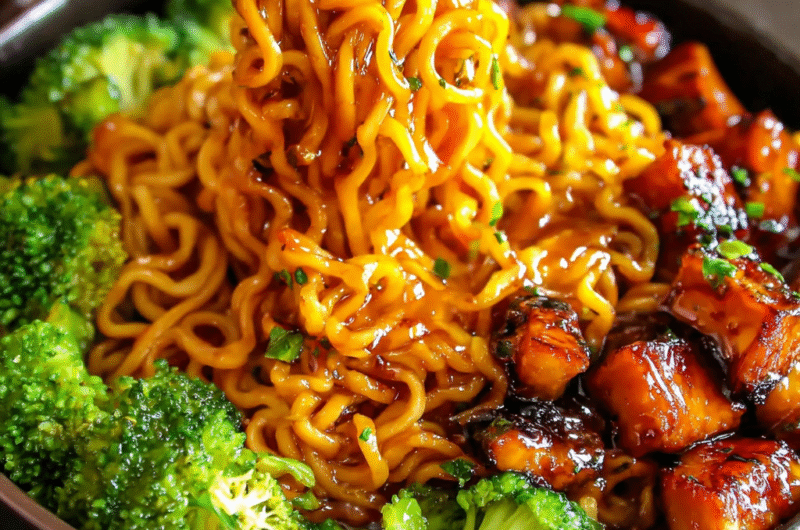
A Vegan Teriyaki Noodle Bowl brings a burst of flavor to your dinner table, combining rich teriyaki sauce with fresh vegetables and nourishing noodles. This dish not only satisfies your taste buds but also offers a wholesome meal that’s quick and easy to prepare at home.
With an array of colorful veggies and the delightful umami flavor of homemade teriyaki, this bowl is a feast for the senses. It’s perfect for busy weeknights or as a refreshing meal prep option, giving you the energy you need without any animal products.
Ingredients
- 200g rice noodles
These noodles serve as the base of the bowl, providing a satisfying texture and absorbing the flavors of the teriyaki sauce. Rice noodles are naturally gluten-free, making them a great option for various dietary preferences. - 1 cup broccoli florets
Broccoli adds a nutritional boost rich in vitamins C and K. Its crunchy texture contrasts beautifully with the soft noodles, creating a balanced bite in every mouthful. - 1 red bell pepper, sliced
The sweetness of the red bell pepper complements the savory teriyaki sauce while adding vivid color to the dish. This vegetable is also high in antioxidants, making it a healthy choice. - 1 carrot, julienned
Carrots contribute a crunchy sweetness and enhance the presentation of the bowl. Packed with beta-carotene, they also promote good vision and skin health. - 1 cup snap peas
These tender peas bring a fresh, sweet element while maintaining a delightful crunch. They are a fantastic source of fiber and add vibrant color to the dish. - 2 tablespoons sesame oil
Sesame oil adds a nutty flavor and richness to the noodle bowl. It's also known for its health benefits, including anti-inflammatory properties. - 1/4 cup soy sauce
Soy sauce forms the backbone of the teriyaki sauce, providing a salty umami flavor. Opt for low-sodium varieties if you are watching your salt intake. - 1/4 cup maple syrup
Maple syrup acts as a natural sweetener, balancing out the salty notes of the soy sauce and creating a rich glaze. It's a healthier alternative to refined sugar. - 1 tablespoon rice vinegar
Rice vinegar adds a touch of acidity that cuts through the richness of the sauce, enhancing the overall flavor profile of the dish. - 1 teaspoon grated ginger
Ginger introduces a warm spiciness that pairs perfectly with the sweet and savory elements. It's also known for aiding digestion and boosting immunity. - 1 teaspoon garlic, minced
Garlic enhances the flavor complexity of the teriyaki sauce with its aromatic qualities. It also packs various health benefits, including anti-inflammatory properties. - 2 green onions, chopped
Green onions add a fresh garnish for the finished dish, contributing a mild onion flavor that brightens the overall taste experience.
Directions & Preparation
Step 1: Cook the rice noodles according to package instructions.
Cooking the rice noodles is essential for achieving the right texture. Follow the package instructions closely, as overcooking can lead to mushy noodles. Drain and rinse them under cold water to stop the cooking process and prevent sticking.
Step 2: While the noodles are cooking, prepare your vegetables.
Chopping vegetables while the noodles cook allows for efficient use of your time. Aim for uniform sizes to ensure even cooking. This prep step ensures your veggies remain fresh and vibrant when added to the bowl.
Step 3: In a large skillet, heat sesame oil over medium heat.
Heating the sesame oil before adding vegetables helps to release its flavor. It creates a fragrant base that will enhance the taste of all ingredients, signaling when it’s time to sauté the veggies.
Step 4: Add the broccoli, bell pepper, carrot, and snap peas to the skillet.
Cooking the vegetables in the hot oil allows them to soften slightly while retaining their crispness. Stir frequently for about 4-5 minutes until they begin to become tender but still colorful and vibrant.
Step 5: Prepare the teriyaki sauce by combining soy sauce, maple syrup, rice vinegar, ginger, and garlic in a bowl.
Mixing the sauce separately allows the flavors to meld together, ensuring a balanced taste in your noodle bowl. Adjust sweetness or saltiness at this stage by adding more syrup or soy sauce according to your preference.
Step 6: Pour the teriyaki sauce over the vegetables and stir to combine.
Adding the sauce to the vegetables coats them evenly, enhancing their flavor profile. Allowing them to simmer for a few minutes ensures that the sauce thickens slightly, creating a glaze that clings to each ingredient.
Step 7: Add the cooked rice noodles to the skillet and toss to combine.
Incorporating the noodles at this stage binds all the components together, ensuring that every noodle is enveloped in the rich sauce. Toss gently to coat, preventing damage to the delicate rice noodles.
Step 8: Garnish with green onions before serving.
Finishing the dish with green onions not only adds a pop of color but also a fresh, sharp flavor that brightens the overall profile. This final touch elevates the meal, making it visually appealing and delicious.

Crafting Your Own Teriyaki Sauce
Making teriyaki sauce from scratch allows you to customize flavors to your liking. Feel free to modify the sweetness or add chili paste for a spicy kick. Homemade sauce can provide a fresher taste and better control over ingredients than store-bought versions.
Selecting the Best Vegetables
Choosing fresh, seasonal vegetables will enhance your Vegan Teriyaki Noodle Bowl. Consider using seasonal produce or adding in ingredients like zucchini, mushrooms, or baby corn for variety. The texture and colors will create a more vibrant dish, making meal time an enjoyable experience.
Noodle Alternatives to Explore
While rice noodles are popular, experimenting with other types like soba or whole wheat noodles can offer different tastes and nutritional benefits. Each type of noodle will impart its unique flavor and texture, allowing you to keep the recipe fresh and exciting.
FAQs
What can I do if the teriyaki sauce is too thick?
If your teriyaki sauce ends up too thick, add a tablespoon of water or vegetable broth to the skillet and stir well to loosen it. This will help achieve the desired consistency without sacrificing flavor.
My bowl tastes bland, how can I enhance the flavors?
If your dish seems lacking in flavor, consider adding a splash more soy sauce or a pinch of salt. A sprinkle of red pepper flakes can also bring an additional flavor dimension, enhancing the overall taste experience.
Can I replace the rice noodles with another type?
Absolutely! You can substitute rice noodles with soba, udon, or even whole grain spaghetti, keeping in mind that each variety may require different cooking times.
How long can I keep leftovers in the fridge?
Leftovers can be stored in an airtight container in the refrigerator for about 3–4 days. Just remember to reheat gently to avoid overcooking the noodles.
Can I use frozen vegetables instead of fresh?
Frozen vegetables can be a suitable alternative and might save time. Just be aware that they may release more water while cooking, so adjust the cooking time to ensure they don't become mushy.
What’s a good way to add more protein to this dish?
To boost protein content, consider adding cubed tofu or tempeh. Sauté these ingredients separately before mixing them into the noodle bowl for a satisfying and nutrient-rich addition.
How can I adjust the sweetness of the teriyaki sauce?
If you find yourself wanting less sweetness, reduce the amount of maple syrup. You can also balance it by adding an extra dash of soy sauce or a bit of lime juice for acidity.
Conclusion
Creating a Vegan Teriyaki Noodle Bowl at home is an enjoyable way to explore fresh flavors while embracing a plant-based diet. This recipe offers flexibility, allowing you to tweak ingredients based on personal preferences or what you have on hand.
By making this dish regularly, you'll master the art of balancing flavors and textures. Enjoy the comforting, wholesome elements of the bowl as you gather around the table with friends and family.
Recipe Card

Delicious Vegan Teriyaki Noodle Bowl Recipe
Ingredients
Method
- Cook the rice noodles according to package instructions.
- While the noodles are cooking, prepare your vegetables.
- In a large skillet, heat sesame oil over medium heat.
- Add the broccoli, bell pepper, carrot, and snap peas to the skillet.
- Prepare the teriyaki sauce by combining soy sauce, maple syrup, rice vinegar, ginger, and garlic in a bowl.
- Pour the teriyaki sauce over the vegetables and stir to combine.
- Add the cooked rice noodles to the skillet and toss to combine.
- Garnish with green onions before serving.
Notes
Additional serving suggestions: pair with a crisp salad, garlic bread, or roasted seasonal vegetables for balance.
For make-ahead, prep components separately and assemble just before heating to preserve texture.
Taste and adjust with acid (lemon/vinegar) and salt right at the end to wake up flavors.


