Introduction
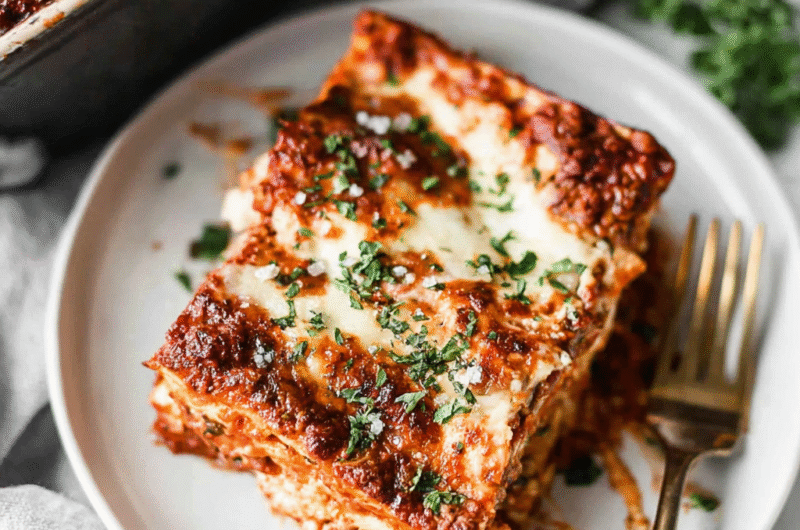
Homemade lasagna is more than a dish; it's a heartfelt experience that brings the warmth of Italy right into your kitchen. With luscious layers of pasta, rich meat sauce, creamy cheese, and aromatic herbs, each bite tells a story of love and tradition.
This beloved classic can be maneuvered into many variations, yet at its core, it remains a comforting favorite that never fails to impress. Whether you're serving a family gathering or enjoying a cozy night in, this homemade lasagna offers both nourishment and satisfaction.
Ingredients
- 9 lasagna noodles
These act as the foundational layers of lasagna, which hold the filling together. Regular egg pasta noodles add a nice texture, while no-boil noodles offer convenience without sacrificing flavor. - 1 tablespoon olive oil
Used for sautéing vegetables and meat, olive oil adds a richness to the sauce while preventing sticking. Its natural flavor enhances the overall depth of the dish. - 1 pound ground beef
The star of the meat sauce, ground beef contributes hearty protein and flavor. Browning it properly adds complex flavors through the Maillard reaction, ensuring a rich sauce. - 1 small onion, diced
Onions provide a sweet aromatic base for the sauce. When sautéed, they soften and caramelize, releasing flavors that enhance the overall complexity. - 2 cloves garlic, minced
Garlic infuses the sauce with its distinct, pungent flavor, adding depth and a hint of spice. It should be added after the onion to prevent burning. - 28 oz can crushed tomatoes
Crushed tomatoes create the sauce's body and natural acidity, providing a refreshing balance to the richness of the meat and cheese. - 2 teaspoons dried oregano
Oregano adds an essential herbal note that amplifies the flavors of Italian cooking. It complements the tomatoes and beef beautifully. - 1 teaspoon salt
Salt enhances all components of the dish and elevates the flavors in every layer. Use it judiciously to avoid overpowering the other ingredients. - 15 oz ricotta cheese
Ricotta brings a creamy, rich texture to the layers and balances the acidity of the sauce. It also adds moisture, making each bite luscious. - 1 egg
The egg binds the ricotta cheese, providing structure to the filling. It helps in maintaining the integrity of the layers while baking. - 2 cups shredded mozzarella cheese
Mozzarella melts beautifully, forming a gooey layer on top. It adds creaminess and stretch to each serving, making the lasagna truly indulgent. - 3/4 cup grated Parmesan cheese
Parmesan adds a sharp, nutty flavor, enhancing the overall taste profile. It's essential for the crispy and flavorful top layer.
Directions & Preparation
Step 1: Preheat the oven to 375°F (190°C).
Preheating the oven ensures that the lasagna cooks evenly from the moment it's placed inside. This step also aids in achieving a bubbly, golden top crust—an inviting indicator that your dish is ready to be served.
Step 2: Cook the lasagna noodles according to package instructions until al dente; drain and set aside.
Cooking the noodles until just firm helps them hold their structure during assembly and baking. Overcooked noodles can make the lasagna mushy, so aim for al dente for the perfect texture.
Step 3: In a large skillet, heat olive oil over medium heat; add the diced onion and cook until translucent.
Cooking the onions in olive oil softens them and helps release their natural sugars. This step builds a flavor foundation for the meat sauce, adding layers of sweetness to balance the acidity of the tomatoes.
Step 4: Add minced garlic and ground beef; sauté until the meat is browned.
Browning the beef not only adds depth of flavor through caramelization but also releases juices that mix with the onions and garlic. This combination creates a savory base for the sauce, enhancing its overall complexity.
Step 5: Stir in crushed tomatoes, oregano, and salt; let it simmer for 15-20 minutes.
Simmering melds the flavors of the sauce beautifully, allowing the ingredients to combine and deepen. This step thickens the sauce slightly, making it perfect for layering rather than soupy, which can ruin the lasagna's structure.
Step 6: In a bowl, combine ricotta cheese, egg, and a pinch of salt until smooth.
Mixing the ricotta with an egg ensures a creamy filling that binds well to other components. This blend adds richness and acts as a creamy contrast to the savory meat sauce.
Step 7: Spread a thin layer of meat sauce in a 9×13 inch baking dish.
Applying a base layer of sauce prevents noodles from sticking to the pan and adds flavor throughout the entire dish. This foundational layer begins the balancing act of flavors and textures.
Step 8: Layer noodles, ricotta mixture, mozzarella, and more meat sauce; repeat until all ingredients are used, finishing with meat sauce and mozzarella on top.
Creating layers is crucial for distributing flavors evenly and achieving optimal texture. Make sure to cover every noodle with sauce to prevent drying during baking. This method also gives the lasagna that beautiful striped appearance.
Step 9: Sprinkle Parmesan cheese over the top layer.
Parmesan adds a final touch of flavor and forms a crispy crust as the lasagna bakes. This element enhances both taste and presentation, inviting your diners to dig in.
Step 10: Cover the dish with foil and bake for 25 minutes, then remove the foil and bake for an additional 15 minutes.
Covering the lasagna during the first phase of baking retains moisture, allowing all the layers to meld together. Removing the foil in the last stage promotes browning and crisping, resulting in a visually appealing and delicious dish.
Step 11: Let the lasagna rest for 15 minutes before serving.
Allowing the lasagna to rest helps it set, making it easier to cut and serve without collapsing. This step ensures each slice maintains its structure, delivering the perfect presentation.

The Importance of Cheese
Cheese plays a pivotal role in lasagna, providing creaminess and depth of flavor. Using a combination of ricotta, mozzarella, and Parmesan creates a harmony of textures and tastes. Each cheese contributes uniquely: ricotta brings moisture, mozzarella adds meltiness, and Parmesan offers a sharp finish. When combined, they elevate each bite into a rich, satisfying experience.
Layering Techniques for Success
Perfecting the layering technique is essential for a balanced lasagna. Start with a layer of meat sauce to anchor the noodles and ensure that each layer is evenly distributed. Alternate between the noodles, ricotta, mozzarella, and meat sauce strategically to avoid any dry portions. Each filling should complement the others, creating a dynamic flavor throughout the dish. Proper layering not only enhances taste but also improves visual appeal.
The Art of Resting
Resting is often overlooked but vital for the best lasagna experience. Allowing your lasagna to sit for 15 minutes before serving not only helps with slicing but also permits the flavors to meld further. This stage lets the layers firm up, creating cleaner cuts and preventing spills. Skipping this step can result in a sloppy dish, whereas patience ensures an impressive and inviting presentation.
FAQs
What should I do if my meat sauce is too thick?
If your meat sauce is too thick, adding a splash of water or broth can help loosen it up, making it more spreadable. Make sure to stir well and adjust the seasoning accordingly before layering.
How can I ensure my ricotta layer doesn’t become too watery?
To prevent watery ricotta, choose a high-quality brand and drain it well before mixing. Adding an egg binds it, but you might consider using a touch of flour for stability.
Is there a way to customize the vegetable content in the layers?
Absolutely! You can roast or sauté vegetables like spinach, zucchini, or mushrooms and layer them in with the meat sauce for added flavor and nutrition. Just ensure any excess moisture is removed to prevent a soggy lasagna.
What do I do if my lasagna seems bland after seasoning?
If your lasagna lacks flavor, consider enhancing each portion with fresh herbs like basil or parsley before serving. Additionally, sprinkling a bit of flaky sea salt on top after baking can provide a flavor boost.
Can I add more cheese to my layers?
Definitely! Feel free to adjust by adding extra layers of mozzarella or experimenting with other varieties like provolone for different flavors. Just keep in mind that too much cheese can lead to a greasy dish.
How can I keep my noodles from sticking together during baking?
To prevent sticking, ensure that each noodle is well-coated in sauce and avoid overcrowding the layers. Opt for a good quality lasagna noodle that holds up during cooking to help maintain structure.
What type of pan works best for this lasagna?
A 9×13 inch baking dish is ideal for lasagna, providing ample space for layering. Glass or ceramic dishes promote even cooking and beautiful presentation, while also allowing you to watch the bubbling cheese.
How can I tell when my lasagna is done baking?
Your lasagna is ready when the top layer is golden brown and bubbly, with no raw noodles visible. A toothpick inserted into the center should meet minimal resistance, indicating a hot and fully cooked dish.
Conclusion
A homemade lasagna not only fills the belly but also fills the heart with warmth and satisfaction. Through care in preparation and thoughtful layering, each portion offers a delightful interplay of flavors and textures.
As you explore making your own lasagna, remember that it’s a recipe open to personalization—each family has a unique twist that makes it special. Enjoy the process and celebrate the delicious result with loved ones.
Recipe Card
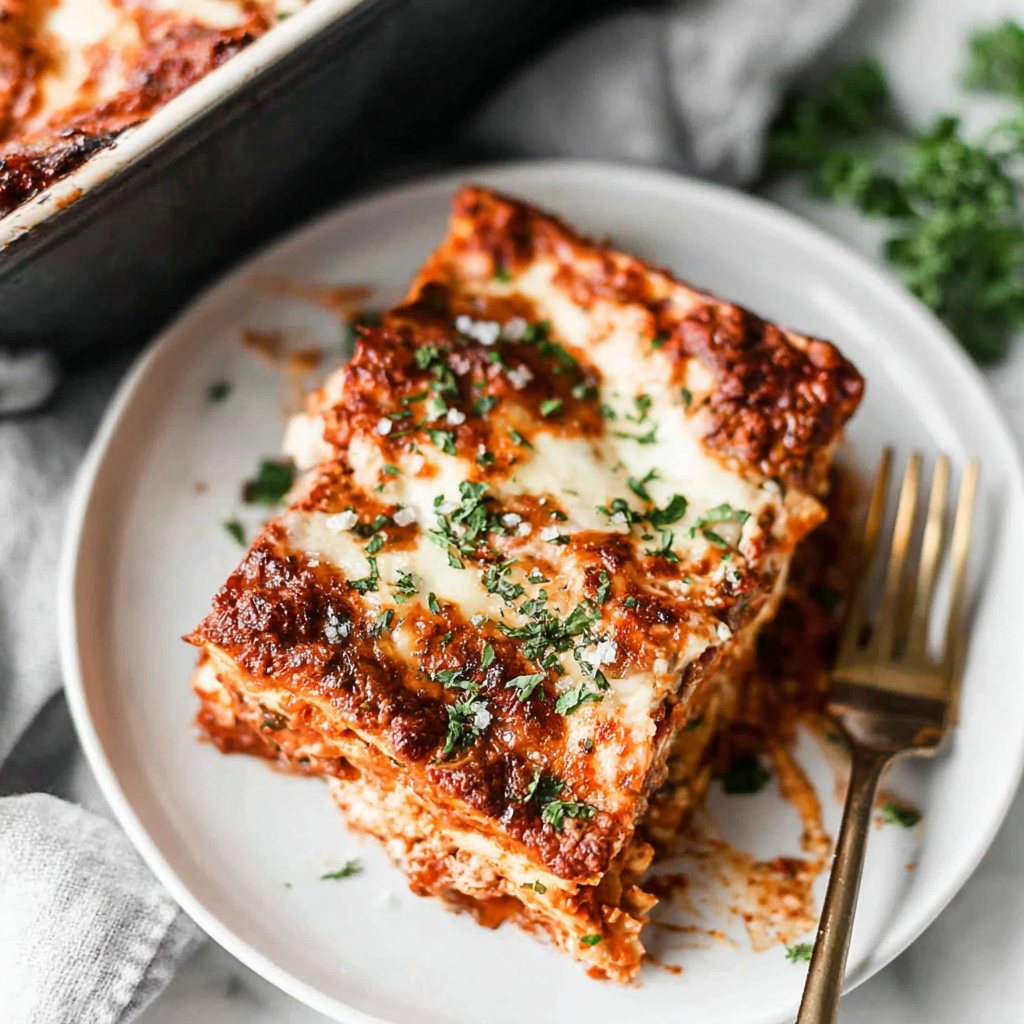
Crafting Savory Layers of Homemade Lasagna
Ingredients
Method
- Preheat the oven to 375°F (190°C).
- Cook the lasagna noodles according to package instructions until al dente; drain and set aside.
- In a large skillet, heat olive oil over medium heat; add the diced onion and cook until translucent.
- Add minced garlic and ground beef; sauté until the meat is browned.
- Stir in crushed tomatoes, oregano, and salt; let it simmer for 15-20 minutes.
- In a bowl, combine ricotta cheese, egg, and a pinch of salt until smooth.
- Spread a thin layer of meat sauce in a 9x13 inch baking dish.
- Layer noodles, ricotta mixture, mozzarella, and more meat sauce; repeat until all ingredients are used, finishing with meat sauce and mozzarella on top.
- Sprinkle Parmesan cheese over the top layer.
- Cover the dish with foil and bake for 25 minutes, then remove the foil and bake for an additional 15 minutes.
- Let the lasagna rest for 15 minutes before serving.
Notes
Additional serving suggestions: pair with a crisp salad, garlic bread, or roasted seasonal vegetables for balance.
For make-ahead, prep components separately and assemble just before heating to preserve texture.
Taste and adjust with acid (lemon/vinegar) and salt right at the end to wake up flavors.


