Introduction
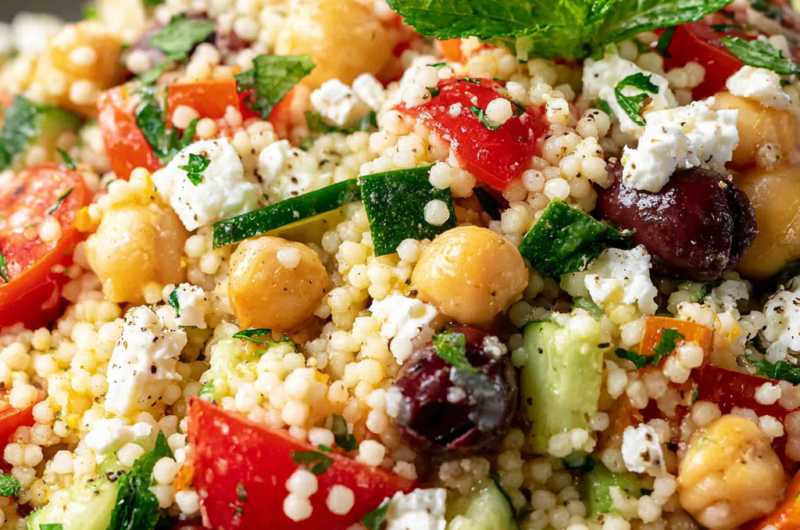
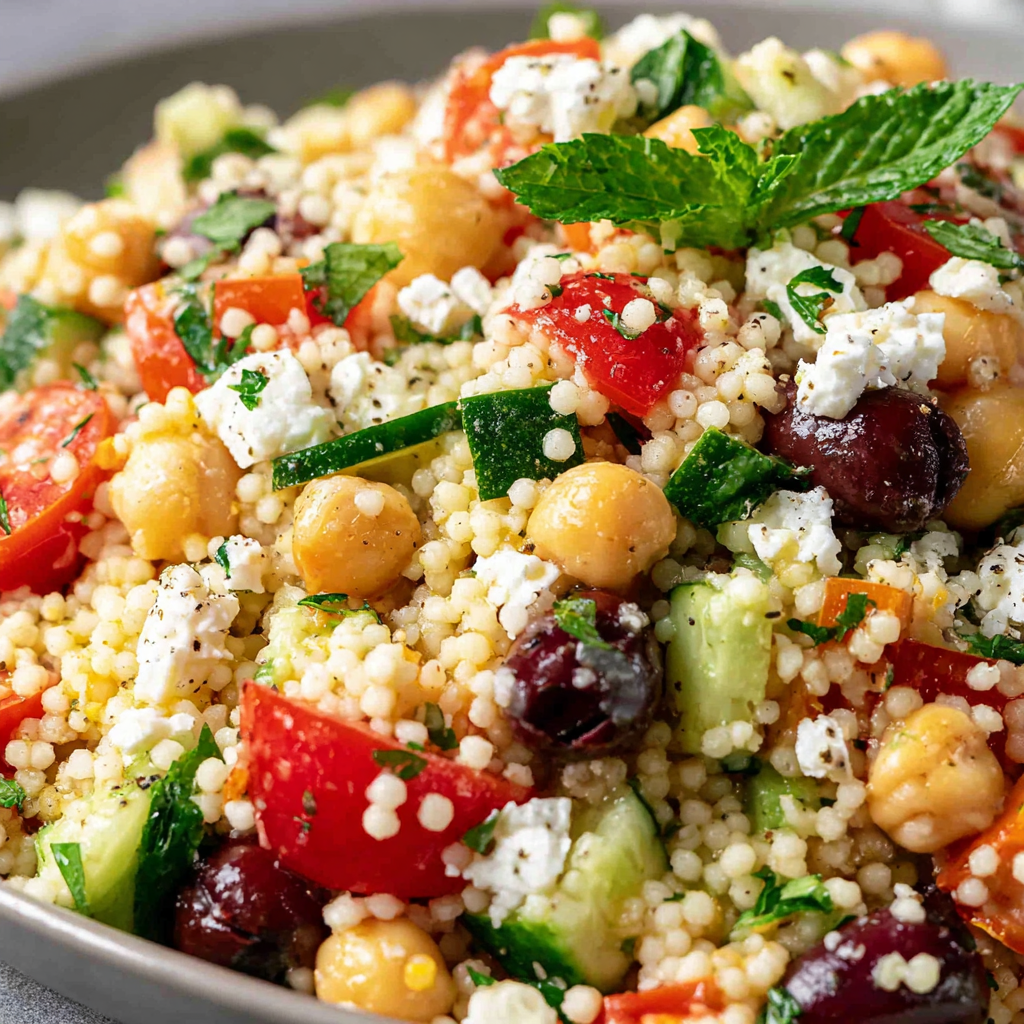
Mediterranean Couscous Salad is a delightful fusion of colors, textures, and flavors that captures the essence of the Mediterranean diet. With its light yet satisfying nature, this salad serves as a perfect side dish or a refreshing main course during warmer months. Packed with vegetables, herbs, and a zesty dressing, it makes for a healthy option that pleases both the palate and the mind.
This salad relies on fluffy couscous as its base, complemented by a medley of fresh produce and aromatic herbs. Each ingredient brings its own charm and significance, creating a harmonious blend that embodies the vibrant culinary traditions of the Mediterranean region. Whether you're hosting a gathering or simply seeking a quick lunch solution, this dish is sure to impress.
Ingredients
- 1 cup couscous
Couscous is the foundation of this salad, offering a light and fluffy texture that absorbs flavors from the dressing and accompanying ingredients. Its quick cooking time makes it a convenient choice for busy home cooks. - 1 1/4 cups vegetable broth
Using vegetable broth instead of water enriches the couscous with flavor from the start, elevating the overall taste of the dish. This base enhances the salad, ensuring it is anything but bland. - 1 cup cherry tomatoes, halved
Cherry tomatoes add a burst of sweetness and juiciness to the salad. Their vibrant color not only makes the dish visually appealing, but they also provide essential vitamins and antioxidants. - 1 cucumber, diced
Cucumbers bring a refreshing crunch and coolness to the salad, balancing out the other richer flavors. They also contribute hydration and additional nutrients to the overall dish. - 1 bell pepper, diced (red, yellow, or green)
Bell peppers introduce a delightful sweetness and crunch to the salad. They come packed with vitamins A and C, promoting health while also enhancing the visual appeal with their bright colors. - 1/4 red onion, finely chopped
Red onion adds a sharp bite that contrasts with the sweeter ingredients. When finely chopped, it blends into the salad, giving background flavor without overwhelming the palate. - 1/4 cup Kalamata olives, pitted and halved
Kalamata olives lend a briny richness that is quintessential to Mediterranean cuisine. Their robust flavor adds depth to the salad, while also contributing healthy fats and antioxidants. - 1/4 cup feta cheese, crumbled
Feta cheese brings creaminess and a tangy flavor that enhances the overall experience of the salad. It also provides protein, making the dish more satisfying. - 1/4 cup fresh parsley, chopped
Fresh parsley adds a burst of herbaceous freshness and a touch of brightness. It not only enhances flavor but also provides vital nutrients that contribute to a balanced meal. - 3 tablespoons olive oil
Olive oil serves as the dressing base, offering a rich yet light mouthfeel while bringing all the flavors together. It's also packed with healthy fats that are beneficial for heart health. - 2 tablespoons lemon juice
Lemon juice adds acidity that brightens the salad and elevates the flavors of the other ingredients. It also provides a refreshing contrast to the richness of the olive oil and cheese. - Salt and pepper to taste
Seasoning with salt and pepper is crucial to enhance the flavors of all the ingredients. It allows them to shine individually and harmonize collectively.
Directions & Preparation
Step 1: Prepare the couscous by bringing vegetable broth to a boil.
Boiling the vegetable broth is the first step to cooking your couscous, as it adds depth of flavor. Once boiling, you'll pour in the couscous, cover it, and let it steam, which will make it fluffy and absorb the broth thoroughly.
Step 2: Add couscous to the broth, then cover and remove from heat.
Once you stir in the couscous, covering it prevents steam from escaping, allowing the grains to absorb the liquid fully. After 5-7 minutes, you'll have perfectly cooked couscous that is light and fluffy without any clumps.
Step 3: Fluff the cooked couscous with a fork and let it cool.
Fluffing the couscous breaks apart any clumps and aerates it, giving it a desirable texture. Allowing it to cool is vital, as it will be mixed with fresh ingredients, and warm couscous can wilt them.
Step 4: In a large bowl, combine cherry tomatoes, cucumber, bell pepper, red onion, olives, parsley, and feta cheese.
Gathering all your fresh ingredients in one bowl is essential for creating a harmonious salad. Mixing them beforehand allows their flavors to meld together, creating an exciting mix of colors and textures that will captivate everyone’s attention.
Step 5: In a small bowl, whisk together olive oil, lemon juice, salt, and pepper.
Whisking together the dressing ensures that the oil and acid emulsify, creating a smooth and cohesive mixture. This will evenly coat the salad, ensuring that every bite is infused with the bright flavors of the Mediterranean.
Step 6: Add the cooled couscous to the vegetable mixture.
Incorporating the couscous into the vegetable mixture allows it to absorb the delicious flavors from the fresh ingredients and dressing. Give it a gentle fold to avoid breaking the vegetables while ensuring everything is well combined.
Step 7: Pour the dressing over the salad and toss gently.
Pouring the dressing over the salad enhances the overall taste by ensuring every bite is seasoned perfectly. Tossing gently prevents the ingredients from breaking down, allowing the salad to maintain its visual appeal.
Step 8: Taste and adjust seasoning if necessary.
This is a crucial step, as individual preferences may vary. A final taste check allows you to adjust the flavors by adding more salt, pepper, or lemon juice, ensuring the salad is perfectly balanced.
Step 9: Serve immediately or chill for an hour before serving.
Serving the salad immediately showcases the freshness of the ingredients, but chilling allows the flavors to deepen and meld, creating a more unified dish. It can be served chilled or at room temperature, depending on your preference.

Enhancing Flavor with Fresh Herbs
One of the standout features of Mediterranean Couscous Salad is the inclusion of fresh herbs. Herbs like parsley not only add a vibrant touch but also elevate the overall flavor profile of the dish. Fresh herbs can be adjusted based on what's available seasonally or preferred, enhancing the salad's freshness and making it customizable.
The Versatility of Couscous
Couscous is not just a base for this salad; it's a versatile ingredient that can absorb different flavors and serve as a foundation for various dishes. Its adaptability allows you to vary the salad by adding roasted vegetables, proteins like grilled chicken, or even nuts for extra crunch, making it a dynamic addition to any meal.
Making It Your Own
This Mediterranean Couscous Salad serves as a perfect canvas for creativity. Each ingredient can be substituted based on personal preferences or dietary needs. Don't hesitate to explore different vegetables, cheeses, or even grains to make the dish reflect your unique taste while still maintaining its Mediterranean essence.
FAQs
What should I do if the couscous is too dense?
If your couscous turns out dense, it might have absorbed too much liquid or isn't fluffed adequately. Try adding a little warm broth or water to loosen it, then fluff it with a fork.
Can I scale this recipe to serve more people?
Absolutely! To serve more, simply multiply the ingredients while maintaining the same ratios for a consistent flavor. Make sure to use a larger bowl for mixing.
What can I do if the salad tastes bland?
If the salad tastes bland, consider increasing the salt, pepper, or lemon juice to enhance the flavors. Adding a pinch of additional herbs or spices can also elevate the taste.
Can I substitute quinoa for couscous?
Yes, quinoa can be used as a substitute for couscous, providing a gluten-free option. Similarly, cook quinoa in vegetable broth to retain the dish’s flavor.
How can I add protein to this salad?
For added protein, consider incorporating grilled chicken, chickpeas, or canned tuna. These options complement the salad's flavors while increasing its nutritional value.
What vegetables should I avoid in this salad?
Avoid using very watery vegetables, like iceberg lettuce or tomatoes with high water content, as they can make the salad soggy. Opt for crunchier vegetables instead.
Conclusion
Mediterranean Couscous Salad is a delightful fusion that can easily adapt to your preferences, making it an enjoyable and healthy option for any occasion. The balance of flavors and textures creates a satisfying dish that not just nourishes the body but also pleases the senses.
Whether served at a picnic, as part of a family meal, or as a standalone lunch, this salad promises to be a hit. With a few simple ingredients, you can create a vibrant and delicious dish that reflects the charm and warmth of Mediterranean cooking.
Recipe Card
Bright and Flavorful Mediterranean Couscous Salad
Ingredients
Method
- Prepare the couscous by bringing vegetable broth to a boil.
- Add couscous to the broth, then cover and remove from heat.
- Fluff the cooked couscous with a fork and let it cool.
- In a large bowl, combine cherry tomatoes, cucumber, bell pepper, red onion, olives, parsley, and feta cheese.
- In a small bowl, whisk together olive oil, lemon juice, salt, and pepper.
- Add the cooled couscous to the vegetable mixture.
- Pour the dressing over the salad and toss gently.
- Taste and adjust seasoning if necessary.
- Serve immediately or chill for an hour before serving.
Notes
Additional serving suggestions: pair with a crisp salad, garlic bread, or roasted seasonal vegetables for balance.
For make-ahead, prep components separately and assemble just before heating to preserve texture.
Taste and adjust with acid (lemon/vinegar) and salt right at the end to wake up flavors.


