Introduction
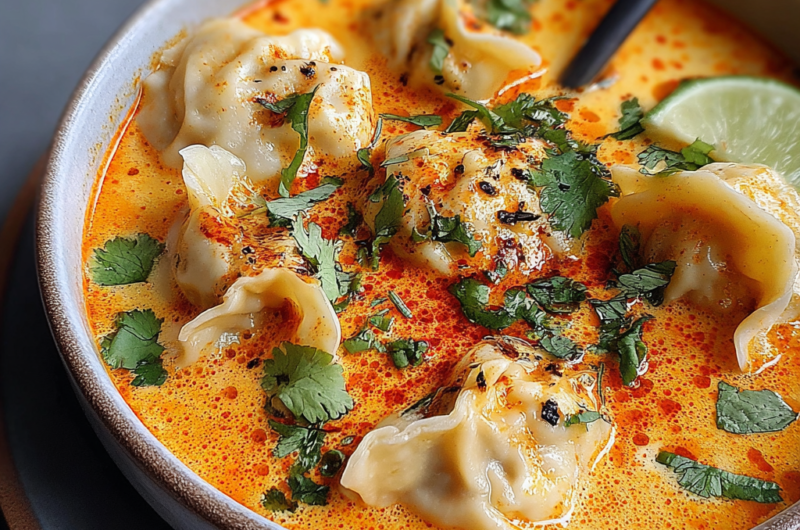
Coconut curry soup with dumplings is a vibrant and comforting dish that celebrates the bold flavors of Southeast Asia. The creamy coconut milk provides a luscious base, while aromatic spices elevate the soup to a truly sensory experience. This dish not only warms the soul but also adds a delightful twist with the inclusion of homemade dumplings, making it a memorable meal for any home cook.
Whether you’re seeking a hearty lunch or a cozy dinner, this coconut curry soup is versatile and balanced, featuring fresh vegetables and protein to nourish the body. The dumplings add tender bites to the experience, enhancing each spoonful with texture and flavor. Let’s embark on this culinary adventure and explore how to craft this exquisite soup.
Ingredients
- 1 tablespoon coconut oil
Coconut oil adds a rich, tropical aroma and flavor to the soup, enhancing the overall coconut essence. It also helps to sauté the aromatics, creating a fragrant base. - 1 medium onion, diced
Onions bring sweetness and depth to the flavor profile. They are a crucial base ingredient that caramelizes beautifully, introducing layers of flavor. - 3 cloves garlic, minced
Garlic infuses the dish with its savory complexity. Its pungent aroma and taste complement the coconut and curry, creating a well-rounded flavor. - 1 tablespoon fresh ginger, grated
Ginger adds warmth and a slight zest, accentuating the spiciness of the curry while also offering health benefits. - 2 tablespoons red curry paste
Red curry paste is the heart of this dish, providing heat and a complex blend of spices that define the curry flavor. It’s important to use a quality paste for the best results. - 4 cups vegetable broth
Vegetable broth forms the soup’s liquid base, bringing additional umami depth. It also helps meld all the flavors together while being lighter than a meat broth. - 1 can (14 oz) coconut milk
Coconut milk gives the soup its creamy consistency and richness, balancing the spices and adding a luxurious texture. It’s a key player in achieving that luscious mouthfeel. - 2 cups mixed vegetables (carrots, bell peppers, snap peas)
Fresh vegetables not only add color and nutrition but also provide a satisfying crunch that contrasts with the smooth soup base. Choose your favorites or what's in season. - 1 tablespoon soy sauce
Soy sauce contributes a savory, umami punch that deepens the flavor profile of the soup, pulling everything together beautifully. - 1 tablespoon lime juice
Lime juice brightens the dish, balancing out the richness of the coconut milk with its acidity, and enhancing the overall freshness. - 1 cup all-purpose flour (for dumplings)
Flour is the main ingredient for dumplings, providing structure and texture. It absorbs flavors from the soup, making each bite enriched with taste. - 1 teaspoon baking powder
Baking powder helps the dumplings rise slightly as they cook, giving them a light and fluffy texture that contrasts with the soup. - ½ teaspoon salt
Salt is essential for enhancing the flavors of the dumplings. It brings out the individual ingredients, making every bite tastier. - ½ cup water (for dumplings)
Water binds the ingredients together, creating a dough for the dumplings. The exact amount can vary slightly, so adjust for desired consistency. - Chopped cilantro and scallions (for garnish)
Fresh herbs like cilantro and scallions provide a pop of color and a fresh, bright flavor that contrasts nicely with the richness of the soup.
Directions & Preparation
Step 1: Heat the coconut oil in a large pot over medium heat.
Starting with the right cooking fat is key to developing flavor. Coconut oil melts quickly, releasing its rich aroma. As it heats, it allows the following aromatics—onions, garlic, and ginger—to sauté, forming a fragrant base.
Step 2: Add the diced onion and stir for 3-4 minutes until translucent.
Cooking the onions until they are translucent softens their pungency and lets natural sweetness emerge. This builds the foundation of flavor, crucial for a deeply satisfying soup. Stir occasionally to prevent burning.
Step 3: Stir in the minced garlic and grated ginger; cook for another minute.
Garlic and ginger should be added after the onions are slightly softened, as they release volatile aromas that can burn easily. Sauté just until fragrant, then prepare to add the spices.
Step 4: Mix in the red curry paste and cook for 2 minutes, allowing flavors to meld.
Cooking the curry paste in oil actually blooms the spices, amplifying their flavors. This step is critical; the goal is to create a thick mixture that coats the aromatics and builds depth.
Step 5: Pour in the vegetable broth and bring the mixture to a simmer.
Adding broth is where the soup comes to life, transforming the thick paste into a luscious liquid. Bring it to a gentle simmer, which will help marry the flavors together as everything cooks.
Step 6: Stir in the coconut milk and mixed vegetables; simmer for 10 minutes.
Coconut milk adds creaminess and mellows out the spice level while introducing a tropical flavor. The vegetables should be added next to keep their texture vibrant; simmering allows them to soften without becoming mushy.
Step 7: Add soy sauce and lime juice; taste and adjust seasoning as necessary.
This key step ensures that your soup is balanced. The soy sauce introduces umami, while lime adds acidity—a necessary counter to the richness. Adjusting at this stage can significantly elevate the flavor.
Step 8: Prepare the dumpling dough by mixing the flour, baking powder, salt, and water in a bowl.
Creating the dumpling dough is simple, but consistent texture is vital. Mixing until combined avoids tough dumplings. Your goal is a soft dough that holds together but is not sticky.
Step 9: Drop spoonfuls of dumpling dough into the simmering soup; cover and cook for 10 minutes.
Dropping the dough into the soup allows the flavors to infuse while they cook. Covering the pot traps steam, helping the dumplings rise and cook through evenly, yielding a fluffy texture.
Step 10: Garnish with chopped cilantro and scallions before serving.
Garnishing the soup just before serving enhances visual appeal and flavor. Fresh herbs add brightness that complements the rich soup and dumplings, rounding out the dish beautifully.

The Role of Aromatics in Flavor Development
Aromatics like onions, garlic, and ginger are foundational in many cuisines, especially in soups and stews. In this coconut curry soup, they create a fragrant base that enhances and sets the tone for the entire dish. As they sauté, the flavors meld together, creating a depth that is both satisfying and aromatic, essential for a flavorful experience.
Crafting the Perfect Dumplings
Dumplings are more than just a vessel for soup; they provide a delightful texture that contrasts the silky broth. The key is to handle the dough minimally after mixing, ensuring light and airy dumplings. Cooking them in the soup allows them to absorb flavor, making each bite a taste of the curry and coconut, transforming a simple soup into a hearty meal.
Customizing Your Coconut Curry
One of the beauties of coconut curry soup is its adaptability. You can swap out protein sources, add different vegetables, or adjust the spice level according to your preferences. Incorporating seasonal ingredients not only enhances the dish but also allows it to shine throughout the year, catering to local tastes and freshness.
FAQs
What can I use if I don’t have red curry paste?
Substitute with yellow or green curry paste for different flavor profiles or make a homemade version using spices like cumin, coriander, and turmeric.
My soup turned out too thick. How can I fix it?
Add more vegetable broth or water gradually, mixing well until you achieve the desired consistency. Heat gently to incorporate.
What vegetables can I add for a twist?
Consider using bok choy, zucchini, or sweet potatoes for varied flavors and textures—each choice will bring its unique characteristics to the soup.
Can I make dumplings with gluten-free flour?
Yes, use a 1:1 gluten-free flour blend. However, the texture may differ slightly; you might need to add a little more liquid for the consistency.
How do I know when my dumplings are cooked through?
Dumplings are done when they float to the top and are tender to the bite. If in doubt, cut one open to check for any raw dough.
What if my soup is too bland?
Increase the seasoning with more soy sauce or a splash of fish sauce. Adding fresh herbs at the end can also brighten flavors.
Conclusion
Coconut curry soup with dumplings is a delightful fusion of flavors and textures, perfect for any home cook looking to explore new culinary horizons. Each spoonful offers a comforting warmth that envelops you in flavors that are rich and satisfying.
This recipe not only nourishes the body but also encourages creativity in the kitchen. Enjoy the process of making this soup, and don’t be afraid to adjust ingredients to suit your taste. Your kitchen will soon be filled with delightful aromas, bringing every dinner to life.
Recipe Card
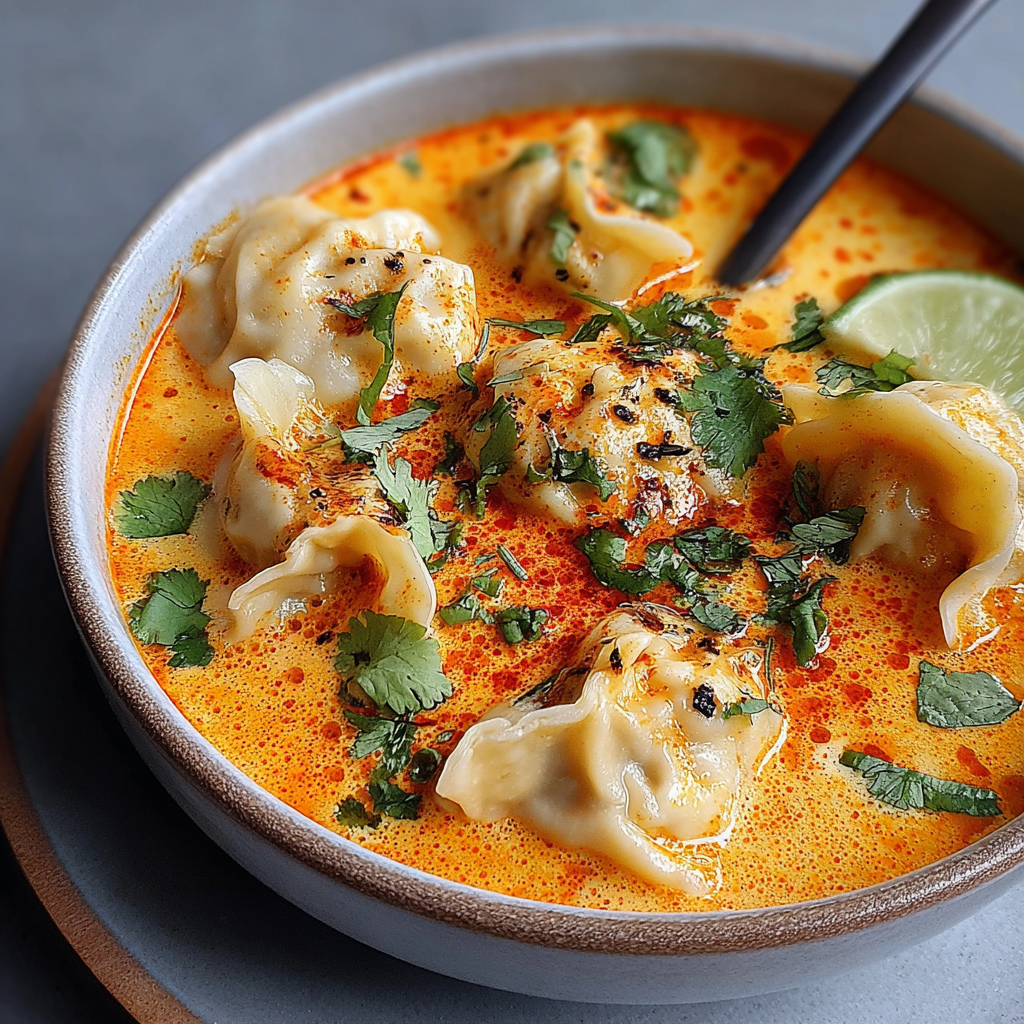
Savor the Richness of Coconut Curry Soup with Dumplings
Ingredients
Method
- Heat the coconut oil in a large pot over medium heat.
- Add the diced onion and stir for 3-4 minutes until translucent.
- Stir in the minced garlic and grated ginger; cook for another minute.
- Mix in the red curry paste and cook for 2 minutes, allowing flavors to meld.
- Pour in the vegetable broth and bring the mixture to a simmer.
- Stir in the coconut milk and mixed vegetables; simmer for 10 minutes.
- Add soy sauce and lime juice; taste and adjust seasoning as necessary.
- Prepare the dumpling dough by mixing the flour, baking powder, salt, and water in a bowl.
- Drop spoonfuls of dumpling dough into the simmering soup; cover and cook for 10 minutes.
- Garnish with chopped cilantro and scallions before serving.
Notes
Additional serving suggestions: pair with a crisp salad, garlic bread, or roasted seasonal vegetables for balance.
For make-ahead, prep components separately and assemble just before heating to preserve texture.
Taste and adjust with acid (lemon/vinegar) and salt right at the end to wake up flavors.


