Introduction
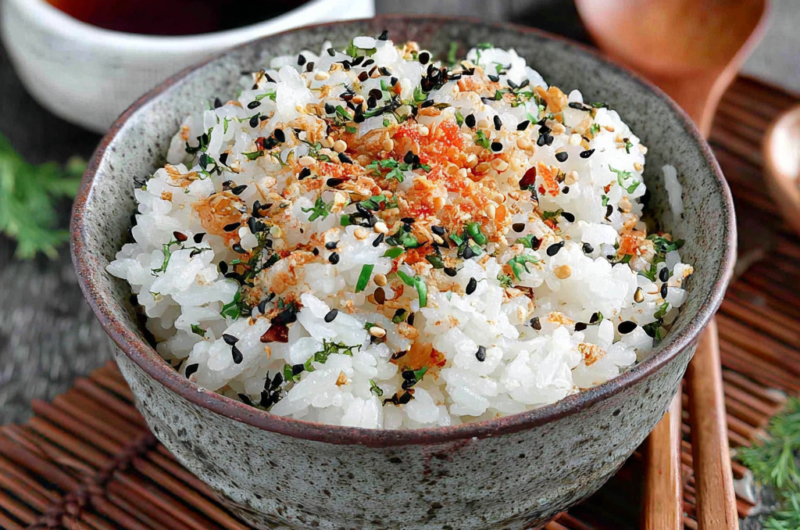
Japanese white rice, known for its distinct stickiness and subtle sweetness, is a staple in Japanese cuisine. This variety, primarily of the Koshihikari strain, has gained recognition for its unique texture and flavor, making it an essential element in various dishes.
Cooking Japanese white rice is an art that merges precision with tradition. The process of washing, soaking, and steaming rice requires attention to detail, elevating the grains from mere staples to something truly special on the dinner table. It pairs beautifully with nearly every meal, from sushi to curry, showcasing its versatility.
Ingredients
- 2 cups Japanese white rice
This is the core ingredient that provides the base for the dish. Japanese white rice is known for its short grains, which absorb moisture well, resulting in a tender and sticky texture that holds together, making it perfect for sushi or as a side. - 2 ½ cups water
Water is crucial as it hydrates the rice grains during cooking, allowing them to swell and cook evenly. The exact water-to-rice ratio may vary slightly based on the type of rice and personal preference. - 1 tablespoon rice vinegar
Rice vinegar adds a subtle tanginess and brightness to the finished dish. While not always necessary, it can enhance the flavor profile, particularly when serving the rice with sushi or other flavored toppings. - 1 tablespoon sugar
Sugar balances the acidity of the rice vinegar, creating a more rounded flavor. It also helps to enhance the natural sweetness of the rice. - ½ teaspoon salt
Salt amplifies all the flavors present in the rice, ensuring that it is well-seasoned. It rounds out the overall taste, balancing any sweetness added.
Directions & Preparation
Step 1: Rinse the rice thoroughly under cold water.
Rinsing the rice removes excess starch that can result in overly sticky and gummy grains. It's crucial for achieving the desired texture. Rinse until the water runs clear to ensure the rice is clean and ready for soaking.
Step 2: Soak the rinsed rice for 30 minutes.
Soaking allows the rice grains to absorb some water in advance, leading to more consistent cooking. This step helps achieve a tender texture throughout, preventing any hard centers once cooked. Proper soaking enhances the fluffiness of the rice.
Step 3: Drain the rice and add it to a rice cooker or pot.
After soaking, draining the rice is necessary before cooking to avoid excess water. Transferring it into a rice cooker simplifies the cooking process by ensuring even heat distribution, or use a pot with a tight-fitting lid for stovetop cooking.
Step 4: Add water according to the proper ratio.
The 1:1.25 rice-to-water ratio is key in achieving perfectly cooked rice. For 2 cups of rice, 2 ½ cups of water provides adequate moisture for thorough cooking. Adjust according to your preferred rice texture as you gain experience.
Step 5: Start the cooking process and allow to steam.
Once cooking starts, avoid lifting the lid to maintain steam. The water will evaporate, and the rice will absorb it. Properly cooked rice should be fluffy and slightly sticky, not wet or overly dry. Following the cooking timer is crucial for timing, so keep track.
Step 6: Let the rice rest for 10 minutes post-cooking.
Allowing the rice to rest off heat helps distribute moisture evenly throughout the grains, improving texture. This resting period reduces stickiness and allows for better flavor absorption, creating a perfect serving result.
Step 7: Fluff the rice gently with a fork.
Fluffing separates the grains without crushing them, ensuring a light and airy final product. This step is essential for presentation and texture, especially is you're using the rice for sushi or serving alongside other dishes.
Step 8: Mix in vinegar, sugar, and salt if preparing sushi rice.
Incorporating the vinegar mixture enhances flavor and gives sushi rice its characteristic taste. The balance of sugar and salt complements the inherent sweetness of the rice, making it a delightful addition to any sushi dish.

The Magic Behind Rice Selection
Choosing the right type of rice is foundational to your culinary endeavor. Japanese white rice, especially Koshihikari, delivers a unique balance of stickiness and flavor that complements both simple and intricate dishes. Understanding the different rice varietals helps elevate your cooking, allowing you to appreciate their subtle nuances.
Benefits of Soaking Your Rice
Soaking rice is a technique that is often overlooked but significantly impacts the final texture. This process not only ensures even cooking but also reduces cooking time. By allowing the grains to absorb water, they become softer and fluffier, crucial for achieving that perfect bite that Japanese cuisine is known for.
Enhancing Flavor with Seasoning
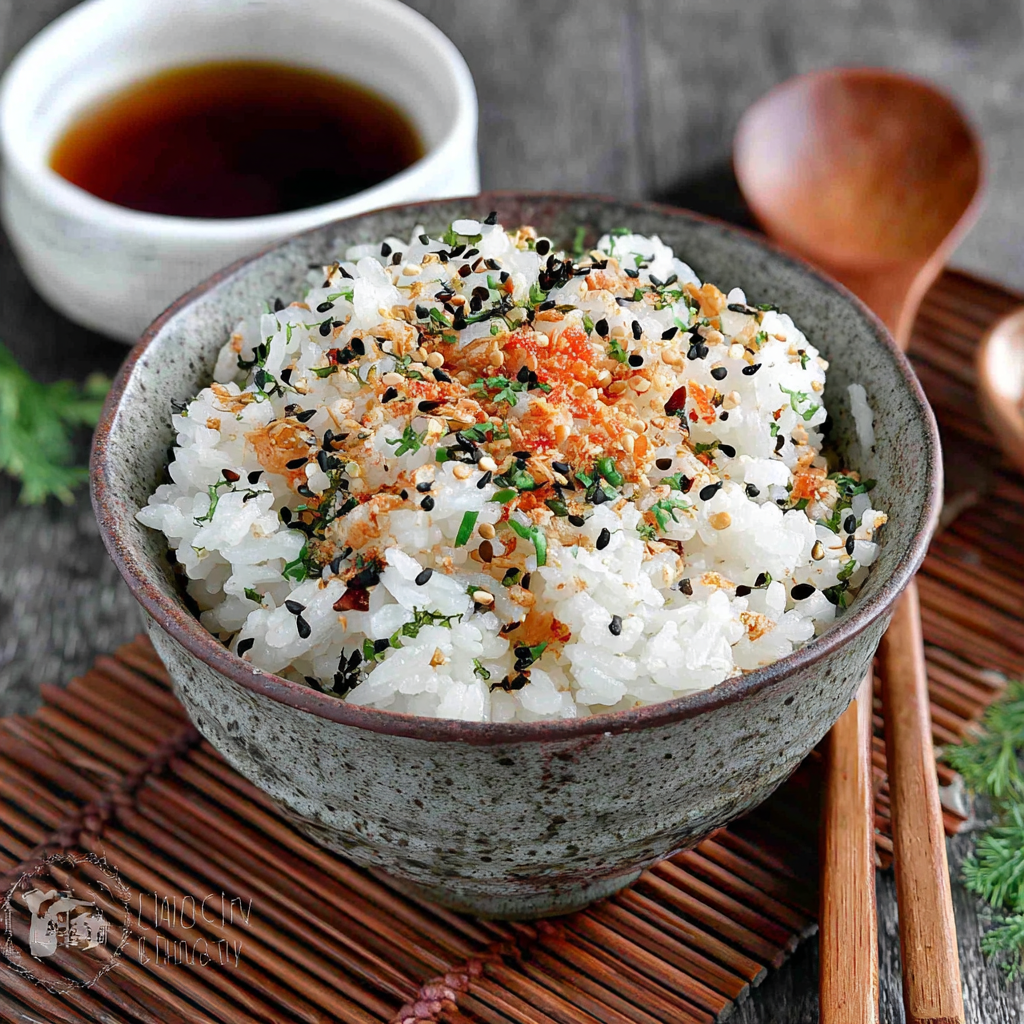
While Japanese white rice is delicious on its own, seasoning it can create a delightful enhancement. Whether adding sesame seeds for nutty notes or a splash of soy sauce for umami depth, incorporating flavors can cater to your meal's theme, making the rice a standout element on the plate.
FAQs
What can I do if my rice turns out too dry?
If your rice is too dry, it could mean too little water was used in the cooking process. Try adding a small amount of water and letting it steam for a few more minutes. Alternatively, consider combining it with a sauce or broth to increase moisture.
How can I make my rice taste less bland?
To enhance the flavor of your rice, consider adding a pinch of salt, or a splash of soy sauce or rice vinegar to the cooked rice. Mixing in aromatics or herbs can also elevate the dish.
What causes rice to become mushy?
Rice can become mushy if too much water is added or if it’s overcooked. Ensure you're using the proper water-to-rice ratio and monitor cooking time closely. If you find yourself with mushy rice, you might repurpose it into risotto or porridge.
Can I substitute brown rice for Japanese white rice.
Yes, brown rice can be used, but it has a longer cooking time and different texture. Adjust the water and cooking time accordingly, as brown rice requires more water and a longer soak.
What if my rice sticks together too much?
If your rice is overly sticky, it may have been rinsed insufficiently before cooking or cooked with too much water. For future batches, rinse thoroughly and stick to the right water ratio to enhance the grain separation.
Can I use old rice for cooking?
While old rice is still safe for cooking, it might not yield the best results in terms of texture and flavor. Fresh rice typically cooks more evenly and maintains better flavor.
Conclusion
Japanese white rice is a culinary treasure that embodies simplicity and exquisite taste. Mastering its preparation opens the door to a world of culinary possibilities, enriching your meals with diverse flavors and textures.
Incorporating this staple into your cooking repertoire not only enhances home-cooked meals but also pays homage to the rich traditions behind Japanese cuisine. Embrace the process, and you will find joy in each grain.
Recipe Card
Essence of Japanese White Rice in Home Cooking
Ingredients
Method
- Rinse the rice thoroughly under cold water.
- Soak the rinsed rice for 30 minutes.
- Drain the rice and add it to a rice cooker or pot.
- Add water according to the proper ratio.
- Start the cooking process and allow to steam.
- Let the rice rest for 10 minutes post-cooking.
- Fluff the rice gently with a fork.
- Mix in vinegar, sugar, and salt if preparing sushi rice.
Notes
Additional serving suggestions: pair with a crisp salad, garlic bread, or roasted seasonal vegetables for balance.
For make-ahead, prep components separately and assemble just before heating to preserve texture.
Taste and adjust with acid (lemon/vinegar) and salt right at the end to wake up flavors.


