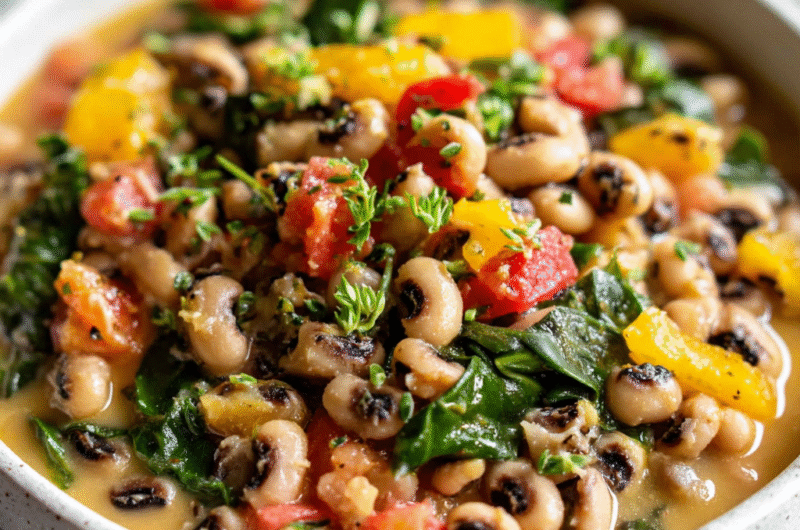
Introduction
Southern black-eyed peas are a classic ingredient in Southern cuisine, steeped in tradition and rich flavors. Often associated with good luck and prosperity, they symbolize a fresh start. Cooking them at home not only invites those cultural ties into your kitchen, but it also offers a comforting dish that is hearty and simple to prepare.
These legumes are not only versatile but also packed with nutrients, which is why they’ve become a staple in many households. With their creamy texture and mildly earthy flavor, they effortlessly absorb the spices and vegetables around them, creating a dish that's as satisfying as it is nutritious. Let’s explore how you can bring this traditional staple to your table.
Ingredients
- 1 cup dried black-eyed peas
Dried black-eyed peas are the star of this dish, offering a robust texture and flavor. They require soaking before cooking to ensure they soften properly and cook evenly. These legumes are high in fiber and protein, making them a nutritious choice. - 4 cups water or vegetable broth
The cooking liquid is essential for hydrating the black-eyed peas and aiding in their tenderization. Using broth instead of plain water can add depth and flavor to the dish, enhancing the overall taste profile. - 1 medium onion, chopped
Onion provides a foundational flavor that enhances the entire dish. Sautéed until translucent, it releases natural sugars that contribute to a sweeter, richer base. - 2 cloves garlic, minced
Garlic infuses the black-eyed peas with a distinct aroma and subtle spiciness. Its strong flavor complements the earthiness of the peas beautifully. - 1-2 tablespoons olive oil
Olive oil is used for sautéing the vegetables, helping to unlock their flavors. It also adds a touch of richness to the dish, balancing the earthy notes of the black-eyed peas. - 1 teaspoon smoked paprika
Smoked paprika introduces a lovely hint of smokiness to the dish. Its deep flavor can elevate the overall complexity, making the meal even more satisfying. - Salt and pepper to taste
Seasoning is crucial in bringing together all the flavors. Salt enhances the natural tastes of the ingredients, while pepper adds an additional layer of warmth.
Directions & Preparation
Step 1: Soak the black-eyed peas overnight in water.
Soaking the beans overnight helps to soften them, reducing cooking time significantly. This process also aids in digestibility, making them easier on the stomach. If you forget to soak them, you can use a quick soak method by boiling them for 5 minutes and then letting them sit for an hour before draining.
Step 2: Drain and rinse the soaked peas before cooking.
This step removes any impurities and excess starch that may have been released during soaking. Rinsing ensures that the black-eyed peas are clean and ready to absorb the flavors from the other ingredients.
Step 3: In a large pot, heat olive oil over medium heat, then add chopped onions.
Sautéing the onions in oil helps to caramelize them, creating a sweet, foundational flavor. Stir occasionally to prevent burning, and cook until they are translucent, which will take about 5 minutes.
Step 4: Add minced garlic to the pot and sauté for an additional minute.
Garlic cooks quickly, and adding it after the onions allows it to release its aroma without burning, which can result in bitterness. Stir frequently to ensure even cooking and to prevent any sticking.
Step 5: Stir in the soaked black-eyed peas, smoked paprika, and water or broth.
Introducing the black-eyed peas at this stage allows them to absorb the flavors from the sautéed onions and garlic. The broth not only cooks the peas but also infuses them with additional flavor, making for a richly seasoned dish.
Step 6: Bring the mixture to a boil, then reduce the heat to low and cover.
Bringing the pot to a boil initiates the cooking process, while lowering the heat allows for a gentle simmer that will gradually soften the peas. Covering the pot helps retain moisture, while the low heat prevents the peas from breaking apart.
Step 7: Simmer for 30-45 minutes, or until the peas are tender and creamy.
Cooking time may vary based on your peas and heat level. Stir occasionally and taste for doneness. The goal is for the peas to be tender but still hold their shape, creating a luxurious texture in the final dish.
Step 8: Season with salt and pepper to taste before serving.
Adding seasoning towards the end helps to fine-tune the flavors without risk of over-salting during cooking. Taste and adjust as necessary to ensure every bite is well-balanced and flavorful.

The Art of Soaking Black-Eyed Peas
Soaking black-eyed peas is a fundamental step that shouldn't be overlooked. While it might seem minor, this process helps to rehydrate the dried beans, which is crucial for achieving the right texture in your final dish. Additionally, soaking can reduce cooking time and often aids in digestion. For those in a hurry, a quick soak method is also applicable, making this delicious ingredient accessible for busy home cooks.
Elevating Flavor with Smoky Notes
Smoked paprika is a game-changer in this recipe, offering a unique depth to the dish that is hard to match. Its subtle smokiness pairs perfectly with the earthiness of the black-eyed peas, creating a harmonizing flavor that resonates with Southern culinary traditions. Experimenting with types of paprika, including sweet or hot, can further personalize the dish and provide intriguing variations.
Health Benefits of Black-Eyed Peas
Including black-eyed peas in your meals not only introduces a delightful flavor but also offers numerous health benefits. These legumes are high in protein, fiber, and essential vitamins, supporting digestive health and promoting a feeling of fullness. Furthermore, they are low in fat, making them a heart-healthy option that fits beautifully into many dietary lifestyles.
FAQs
What should I do if the black-eyed peas are too thick?
If the dish becomes too thick during cooking, gradually add more water or broth until your desired consistency is achieved. Stir well to combine and bring back to a simmer.
Can I substitute fresh black-eyed peas for dried?
Yes, if using fresh black-eyed peas, reduce the cooking time significantly, as they require less time to become tender. Fresh peas typically cook in about 15-20 minutes.
How can I add a little heat to the dish?
Incorporating red pepper flakes or diced jalapeños along with the onions will add a nice kick while still maintaining the overall integrity of the dish.
What can I do if the peas are bland?
If the dish lacks flavor, consider adjusting your seasoning—adding more salt, pepper, or spices can bring it back to life. A splash of vinegar can also brighten the overall flavors.
Is it OK if the black-eyed peas break apart?
While some breakage is normal, especially if cooking them for a longer time, be cautious not to overcook them. If they are too mushy, reduce the simmering time and check for tenderness sooner.
Can I add different vegetables?
Absolutely! Carrots, bell peppers, or celery can enhance the flavor and nutrition profile. Just chop them small and add them to the sautéing step along with the onions.
Conclusion
Cooking Southern black-eyed peas is more than just preparing a meal; it’s about celebrating tradition and bringing comfort to the table. The method outlined here honors the classic flavors while allowing for creativity and personalization to take center stage.
Enjoy your black-eyed peas as a stand-alone dish or a hearty side. Whichever way you choose to serve them, this recipe is sure to invite warmth and satisfaction into your home.
Recipe Card
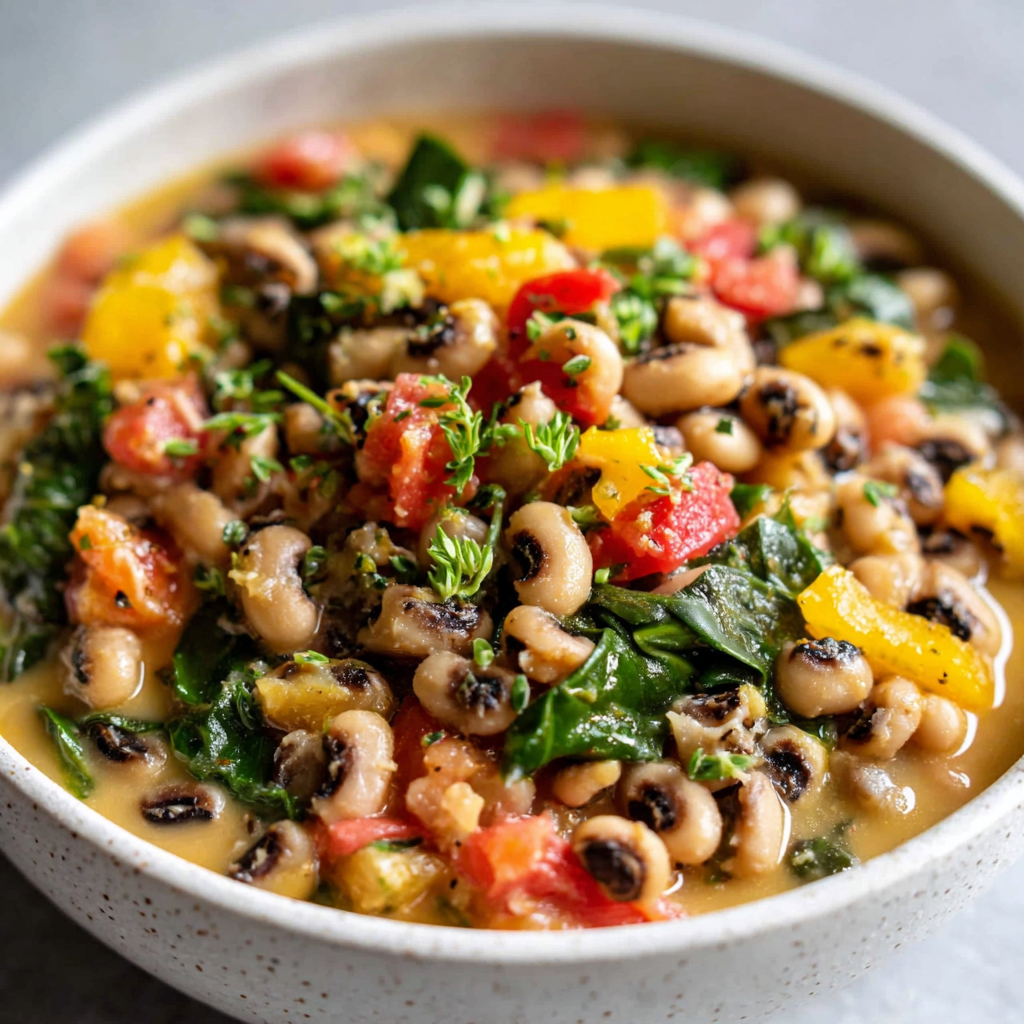
Embrace Tradition with Southern Black Eyed Peas
Ingredients
Method
- Soak the black-eyed peas overnight in water.
- Drain and rinse the soaked peas before cooking.
- In a large pot, heat olive oil over medium heat, then add chopped onions.
- Add minced garlic to the pot and sauté for an additional minute.
- Stir in the soaked black-eyed peas, smoked paprika, and water or broth.
- Bring the mixture to a boil, then reduce the heat to low and cover.
- Simmer for 30-45 minutes, or until the peas are tender and creamy.
- Season with salt and pepper to taste before serving.
Notes
Additional serving suggestions: pair with a crisp salad, garlic bread, or roasted seasonal vegetables for balance.
For make-ahead, prep components separately and assemble just before heating to preserve texture.
Taste and adjust with acid (lemon/vinegar) and salt right at the end to wake up flavors.


