Introduction
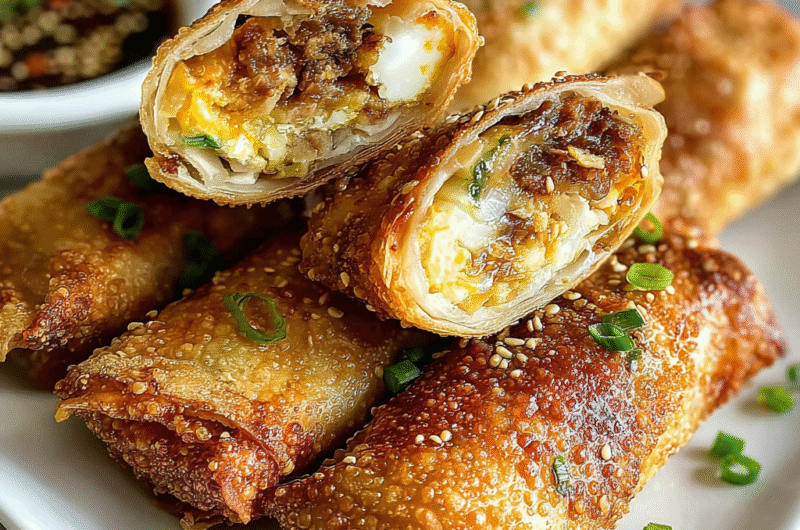
Egg rolls, crisp and golden-brown, are a favorite in Asian cuisine. But making them at home may seem daunting. With a few simple ingredients and a straightforward approach, you can whip up these delicious rolls in no time.
Perfect for appetizers or a main course, homemade egg rolls allow you to customize fillings to suit your taste. Whether you prefer traditional meat and cabbage or a vegetarian blend, the options are endless.
This recipe aims to demystify the process, ensuring that even novice cooks can create stunning egg rolls that impress family and friends. Let’s embark on this culinary adventure and make this delightful dish together.
Ingredients
- 1 cup shredded cabbage
Cabbage provides crunch and a subtle sweetness while helping to bulk up the filling. It also is the primary vegetable, balancing flavors and textures. - 1 cup shredded carrots
Carrots add color and natural sweetness to the mix. When cooked, they soften and liven up the filling with their unique flavor. - 1/2 pound ground pork
Ground pork is traditionally used for its juicy flavor and richness. Its fat content keeps the filling moist, ensuring a delicious bite. - 2 cloves garlic, minced
Garlic adds depth and flavor, infusing the filling with its aromatic qualities. It also helps to enhance the overall taste profile. - 1 tablespoon soy sauce
Soy sauce brings umami and a hint of saltiness, balancing the sweetness of the vegetables. It's essential for achieving an authentic flavor. - 1 teaspoon sesame oil
Sesame oil provides a nutty aroma and flavor that’s characteristic of traditional cuisine. A little goes a long way in enhancing the filling. - 12 egg roll wrappers
Egg roll wrappers are crucial for encasing the filling. Their thinness allows for a crisp texture once fried. - Oil for frying
Oil is necessary for frying, creating a crunchy exterior. The right temperature will yield perfectly golden and crisp rolls.
Directions & Preparation
Step 1: Prepare the filling by combining cabbage, carrots, pork, garlic, soy sauce, and sesame oil in a bowl.
Mixing the filling is important to marry the flavors together. As the vegetables soften during cooking, they will meld with the pork juices, resulting in a balanced and flavorful filling.
Step 2: Heat a pan over medium heat and cook the filling until the pork is browned and vegetables are tender, about 5-7 minutes.
Cooking the filling before wrapping is essential to ensure everything is fully cooked and flavored. This step also allows excess moisture to evaporate, preventing soggy egg rolls.
Step 3: Place a wrapper on a clean surface, and add a couple of tablespoons of filling to the center.
Proper placement and amount of filling are critical. Adding too much can make rolling difficult, while too little may yield flat rolls. Position the filling about an inch from the edge.
Step 4: Fold the bottom of the wrapper over the filling, then fold in the sides and roll to seal.
This rolling technique ensures the filling is securely encased, preventing leaks during frying. A little water can help seal the edges for added security.
Step 5: Preheat oil in a deep pan to 350°F (175°C) for frying.
The oil temperature is key for proper frying; too low, and the rolls absorb oil and become greasy. Too high, and they can burn quickly. Use a thermometer for best results.
Step 6: Fry egg rolls in batches, taking care not to overcrowd the pan, until golden brown, about 3-4 minutes per side.
Frying in smaller batches allows for even cooking and prevents temperature drops in the oil, which helps achieve the desired crispy texture.
Step 7: Remove the egg rolls, drain on paper towels, and serve hot.
Draining helps maintain the crispiness of the rolls by removing excess oil. Serving them immediately enhances the crunchy experience, inviting everyone to dig in.

Perfect Wrapping Techniques for Egg Rolls
Mastering the art of wrapping egg rolls is key to achieving a tight seal and preventing leaks. Start with the wrapper in a diamond position, ensuring that the filling is properly centered. As you fold and roll, gently squeeze out any air. This not only ensures the filling stays intact during frying, but it also creates a more refined shape, resulting in a professional appearance.
Choosing the Right Oil for Frying
Selecting the correct oil can significantly impact the flavor and texture of your egg rolls. Oils with a high smoke point, like vegetable or canola oil, are ideal as they can withstand high temperatures without burning. Additionally, using fresh oil prevents off-flavors and helps achieve that desired golden color. Always let the oil heat up enough before frying to get a crispy exterior.
Variations to Spice Up Your Egg Rolls
Don’t be afraid to experiment with egg roll fillings to match your personal tastes. Mix up the vegetables by adding bell peppers or scallions for added color and flavor. You could also replace pork with shrimp or tofu for a different protein option. Adding spices such as ginger or chili flakes can give your egg rolls an exciting twist, allowing for a creative and flavorful dish.
FAQs
What should I do if my egg roll wrappers are too dry?
If the wrappers feel dry, they may crack while rolling. Keep them covered with a damp cloth to retain moisture. If they are too stiff, you may need to lightly moisten the edges before sealing.
My egg rolls taste bland; how can I enhance the flavor?
If your egg rolls lack flavor, consider increasing the amount of soy sauce or adding more spices to the filling. Additionally, incorporating fresh herbs like cilantro or green onions can brighten the taste.
How can I ensure my egg rolls are crispy?
To achieve crispiness, ensure that your oil is at the correct temperature before frying. Frying in small batches also helps maintain the temperature, leading to better texture.
Is there a vegetarian option for egg roll filling?
Absolutely! You can substitute the pork with a mix of mushrooms, tofu, and additional vegetables like bell peppers or spinach for a delicious vegetarian option.
What if my egg rolls are overcooked?
If you find that your egg rolls are turning too dark too quickly, lower the oil temperature slightly and keep a close eye on them. A temperature around 350°F (175°C) is ideal for even cooking.
Can I adjust the serving size for this recipe?
Yes, you can easily double or halve the ingredient quantities as needed. Just remember that the frying time might vary slightly depending on the number of rolls being cooked at once.
Conclusion
Homemade egg rolls are not only delicious but also a fun cooking project that can be enjoyed by the whole family. With the ability to customize your fillings and flavors, you can make these rolls uniquely yours.
As you perfect your technique, you'll gain confidence in your cooking skills. Serve these egg rolls at your next gathering, and watch them disappear! Enjoy every crispy, golden bite.
Recipe Card
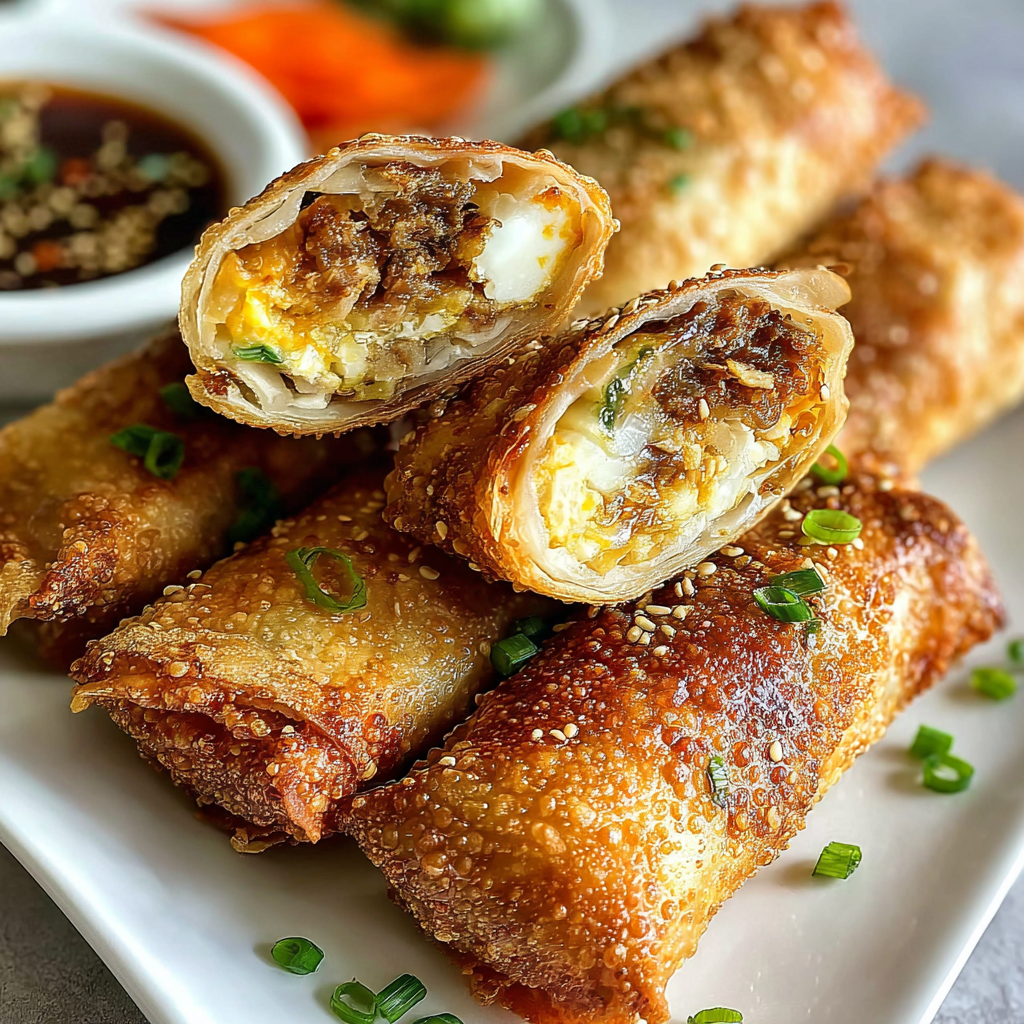
Deliciously Easy Homemade Egg Rolls for Everyone
Ingredients
Method
- Prepare the filling by combining cabbage, carrots, pork, garlic, soy sauce, and sesame oil in a bowl.
- Heat a pan over medium heat and cook the filling until the pork is browned and vegetables are tender, about 5-7 minutes.
- Place a wrapper on a clean surface, and add a couple of tablespoons of filling to the center.
- Fold the bottom of the wrapper over the filling, then fold in the sides and roll to seal.
- Preheat oil in a deep pan to 350°F (175°C) for frying.
- Fry egg rolls in batches, taking care not to overcrowd the pan, until golden brown, about 3-4 minutes per side.
- Remove the egg rolls, drain on paper towels, and serve hot.
Notes
Additional serving suggestions: pair with a crisp salad, garlic bread, or roasted seasonal vegetables for balance.
For make-ahead, prep components separately and assemble just before heating to preserve texture.
Taste and adjust with acid (lemon/vinegar) and salt right at the end to wake up flavors.


