Introduction
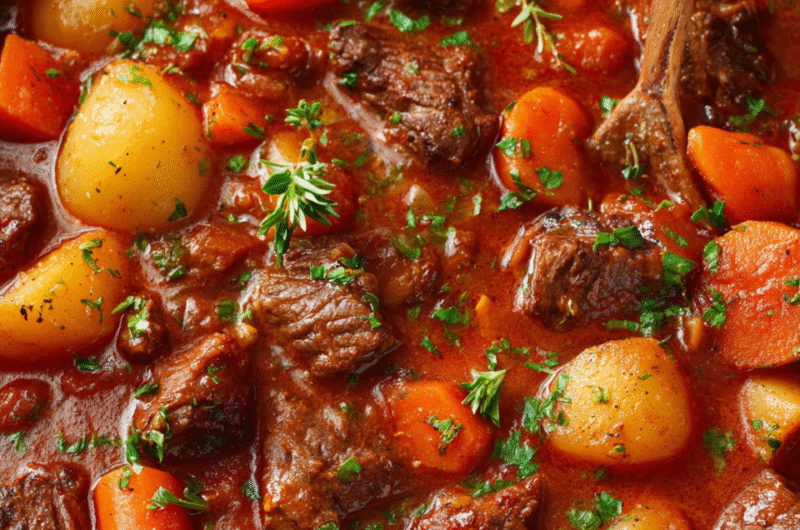
There's something deeply comforting about a pot of traditional beef stew simmering on the stove. The rich aroma that wafts through the kitchen evokes memories of family gatherings and hearthside warmth. This hearty dish, often a staple in homes around the world, highlights the beauty of slow-cooked beef and fresh vegetables.
Beef stew is more than just a meal; it's a celebration of simple ingredients coming together to create something truly special. Over the years, each family has put their own spin on this classic, but the foundation remains the same: tender beef, colorful vegetables, and aromatic herbs, all coaxed to perfection through time.
Ingredients
- 2 pounds beef chuck, cut into 1-inch pieces
Beef chuck is ideal for stewing due to its marbling, which breaks down during cooking to create tender, flavorful meat. Choosing well-marbled cuts ensures a rich, mouthwatering stew. - 4 cups beef broth
Beef broth serves as the stew's base, imparting depth of flavor. Using a good-quality broth infused with herbs and spices elevates the dish significantly. - 3 tablespoons olive oil
Olive oil is used for browning the beef, enhancing its flavor and creating a caramelized crust that adds depth to the stew. It also helps in sautéing the vegetables, ensuring they blend well with the beef. - 2 medium onions, diced
Onions add sweetness and robustness to the stew, their flavor deepening as they sauté and simmer. Peeling and dicing them finely helps to release their natural sugars for a more rounded flavor. - 4 cloves garlic, minced
Garlic infuses the stew with aromatic notes, complementing the beef beautifully. Freshly minced garlic provides a sharper taste than pre-prepared alternatives. - 4 carrots, sliced
Carrots contribute natural sweetness and vibrant color to the dish. Their texture softens when cooked but remains tender, adding variety to each bite. - 3 potatoes, cubed
Potatoes act as a hearty addition, absorbing flavors and creating a fulfilling texture. They also help to thicken the stew as they cook down, contributing to the overall richness. - 2 teaspoons dried thyme
Dried thyme adds a warm, earthy flavor that complements the meats and vegetables. It serves as a classic herb in stew recipes, enhancing the dish's aromatic profile. - 1 bay leaf
A bay leaf enhances the overall flavor with subtle herbal notes, adding complexity. Remember to remove it before serving, as its texture is not meant to be eaten. - Salt and pepper to taste
Essential for seasoning, salt and pepper bring all the flavors together, allowing the individual ingredients to shine. Adjust these towards the end for best results.
Directions & Preparation
Step 1: Heat olive oil in a large pot over medium-high heat.
Heating the olive oil is crucial as it creates the optimal environment for searing the beef. A hot pot will help lock in the juices, creating a flavorful crust that enhances the overall taste of the stew.
Step 2: Add the beef in batches, browning all sides.
Browning the beef creates a delightful depth of flavor while preventing it from steaming. Cooking in batches prevents crowding the pot, ensuring a good sear, which is foundational for a rich broth.
Step 3: Remove the beef and set it aside.
Setting aside the browned beef allows the pot to cool slightly before adding the onions. This also provides space for the onions to release their moisture without being overcrowded, enhancing their caramelization.
Step 4: Add the diced onions and garlic to the pot; sauté until softened.
Sautéing the onions and garlic unlocks their flavors, creating a sweet and aromatic base for the stew. Scraping up the browned bits from the bottom of the pot during this step ensures nothing goes to waste, enriching your stew.
Step 5: Return the beef to the pot and add the carrots and potatoes.
Combining the beef back with the softened onions and adding the hearty vegetables builds the stew's foundation. Each ingredient contributes its unique flavor to the pot, harmonizing beautifully as they cook together.
Step 6: Pour in the beef broth, thyme, and bay leaf; stir to combine.
Adding the broth establishes the stew's liquid base while the thyme and bay leaf introduce aromatic notes. Stirring ensures even distribution of flavors, creating a well-balanced stew.
Step 7: Bring the stew to a boil, then reduce heat and cover.
Bringing the stew to a boil helps create a robust flavor profile through rapid cooking, then reducing the heat lets it simmer gently, allowing the ingredients to meld together perfectly over time.
Step 8: Allow the stew to simmer for at least 1.5 to 2 hours.
Simmering for an extended period is essential for tenderizing the beef and allowing the flavors to meld. The low and slow cooking process breaks down connective tissues in the beef, resulting in a melt-in-your-mouth texture.
Step 9: Season with salt and pepper before serving.
Adjusting seasoning at the end ensures the stew has the perfect flavor balance. Tasting before serving lets you make any necessary tweaks, elevating your dish to its full potential.

The Importance of Searing Meat
Searing beef is a crucial step in building flavor in any stew. This simple process caramelizes the surface sugars and proteins, forming a rich, golden crust that contributes depth to your broth. The Maillard reaction, occurring when the meat is cooked at high temperatures, intensifies flavor and creates that irresistible aroma. Always remember to brown the meat in batches—this prevents steaming and ensures an even cook.
Choosing the Right Cut of Beef
Selecting the right cut of beef is paramount when making a stew. Chuck roast is traditionally preferred due to its balance of fat and muscle, which becomes tender and flavorful during long, slow cooking. Avoid lean cuts like sirloin as they may dry out and become tough instead of succulent. Opt for well-marbled beef cuts that will impart a rich flavor profile and create a satisfying overall dish.
Enhancing Flavor with Aromatics
Aromatics like onions, garlic, herbs, and spices enhance the flavor profile of your beef stew. Sautéing onions and garlic until they're golden sweetens the base and infuses the stew with depth. Incorporating herbs such as thyme and bay leaf add complexity and warmth, while vegetables like carrots and celery bolster flavor and texture. Layering these elements as you cook brings highlights to the stew that make each bite delightful.
FAQs
What can I do if my stew is too thick?
If your stew turns out too thick, simply add a bit more broth or water and stir until you reach your desired consistency. Allow it to simmer for a few more minutes to blend the flavors.
Why does my beef stew taste bland?
If your stew tastes bland, it may need more seasoning. Consider adding additional salt, pepper, or herbs to enhance the flavors, but do so gradually to avoid over-seasoning.
What can I do if my beef is overcooked?
If your beef has overcooked and turned tough, you can try adding it back to the broth for a short period to allow it to absorb some moisture, but be careful to avoid further cooking.
Can I use other vegetables in this stew?
Absolutely! Feel free to incorporate other vegetables like parsnips, peas, or turnips as they can add texture and flavor variety throughout the stew.
Is there a way to thicken the stew without adding flour or cornstarch?
Yes! You can mash some of the potatoes or vegetables in the stew to thicken it naturally. Alternatively, adding a tablespoon of tomato paste can also enhance flavor while thickening.
Can I use wine in my beef stew?
Wine can be a fantastic addition, adding acidity and depth. Consider using a dry red wine to deglaze the pot after browning the beef, enhancing the overall flavor profile.
Conclusion
Traditional beef stew is a timeless dish that offers comfort, warmth, and a sense of homeliness. It’s a perfect recipe to create lasting memories with family and friends, especially as the seasons change and the evenings grow cooler. Enjoy experimenting with your own variations while sticking to the classic techniques that make this stew a beloved staple.
No matter your experience level in the kitchen, making a traditional beef stew can be incredibly rewarding. With patience and care, you will craft a meal that not only nourishes but also nurtures the soul.
Recipe Card
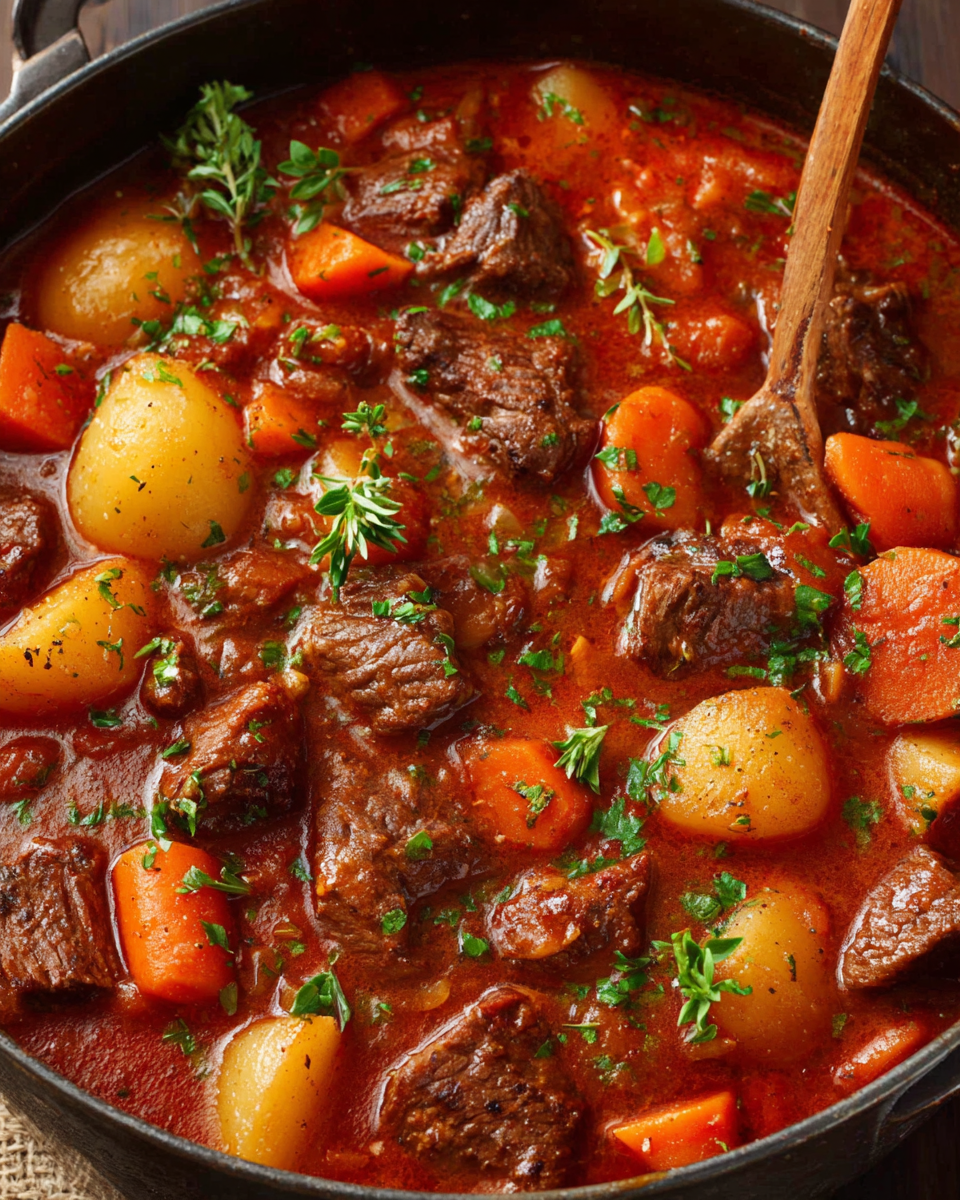
Classic Comfort: Traditional Beef Stew Recipe
Ingredients
Method
- Heat olive oil in a large pot over medium-high heat.
- Add the beef in batches, browning all sides.
- Remove the beef and set it aside.
- Add the diced onions and garlic to the pot; sauté until softened.
- Return the beef to the pot and add the carrots and potatoes.
- Pour in the beef broth, thyme, and bay leaf; stir to combine.
- Bring the stew to a boil, then reduce heat and cover.
- Allow the stew to simmer for at least 1.5 to 2 hours.
- Season with salt and pepper before serving.
Notes
Additional serving suggestions: pair with a crisp salad, garlic bread, or roasted seasonal vegetables for balance.
For make-ahead, prep components separately and assemble just before heating to preserve texture.
Taste and adjust with acid (lemon/vinegar) and salt right at the end to wake up flavors.


