Introduction
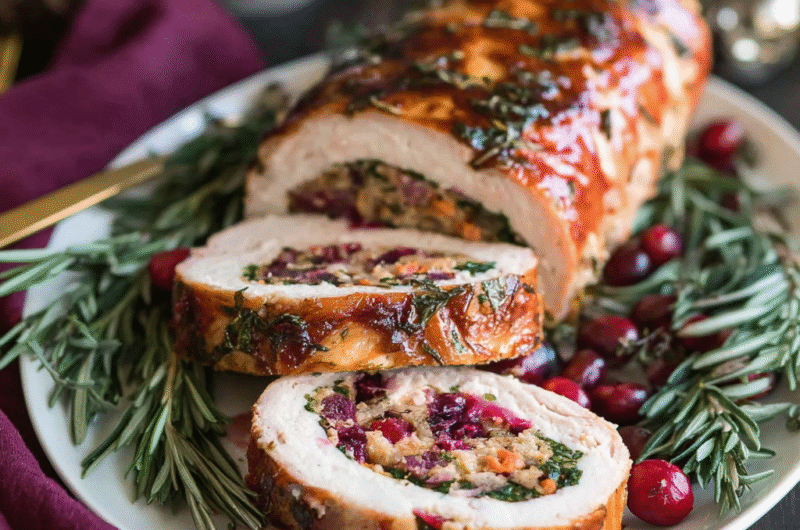
Turkey roulade is a stunning centerpiece that elevates any gathering. This rolled turkey dish combines the rich flavors of a traditional roast with the novelty of a stuffed, rolled presentation.
What makes this recipe shine is the cranberry-sage stuffing, which lends a delightful sweetness and aromatic depth. It’s perfect for holiday feasts or a cozy family dinner, offering a unique twist on classic turkey recipes.
With a bit of preparation and attention, you can create a beautiful and flavorful dish that will impress your guests while showcasing your culinary skills.
Ingredients
- 2 pounds of turkey breast
Lean turkey breast serves as the main protein for this dish. Slicing it thin makes it easier to roll and ensures even cooking. - 1 cup fresh cranberries
Fresh cranberries provide a tartness that contrasts beautifully with the savory elements of the dish, adding both flavor and vibrant color. - 1 cup breadcrumbs
Breadcrumbs serve as a binder for the stuffing, absorbing moisture and helping to maintain a cohesive texture throughout the filling. - 1 onion, finely chopped
Onion adds sweetness and depth to the stuffing while caramelizing slightly during cooking, enhancing the overall flavor profile. - 2 cloves of garlic, minced
Garlic introduces a warm, pungent flavor that complements both the turkey and the stuffing, providing aromatic richness. - 1/2 cup celery, diced
Celery adds crunch and freshness to the stuffing, balancing the denser ingredients and contributing to the dish's texture. - 1/4 cup fresh sage, chopped
Fresh sage brings an earthy, herbal note that pairs perfectly with turkey, infusing the roulade with its characteristic aroma. - 1 tablespoon olive oil
Olive oil is used for sautéing the vegetables in the stuffing, adding a layer of flavor while helping them soften and infuse their tastes. - 1 egg, beaten
An egg acts as a binding agent in the stuffing, ensuring the ingredients hold together when rolled and baked. - Salt and pepper to taste
Seasoning the turkey and stuffing is crucial for enhancing the natural flavors and ensuring that each bite is well-balanced. - Kitchen twine
While not an ingredient for consumption, kitchen twine is essential for securing the roulade, allowing it to maintain its shape as it cooks.
Directions & Preparation
Step 1: Prepare the Turkey Breast
Lay the turkey breast flat on a clean work surface. Use a sharp knife to slice horizontally through the thickest part of the meat, taking care not to cut all the way through. This technique, known as butterflying, results in a larger, thinner piece of turkey that can be easily rolled. Ensure that the thickness is even across the turkey to promote uniform cooking.
Step 2: Make the Stuffing
In a skillet, heat the olive oil over medium heat. Add the onion, garlic, and celery, sautéing until softened, about 5-7 minutes. This step develops the flavors of the envelope stuffing, allowing the vegetables to release their natural sugars and offer a caramelized backdrop to the mix. Once softened, ensure they're evenly distributed during the next steps, enhancing overall flavor.
Step 3: Add the Remaining Ingredients to Stuffing
Remove the skillet from heat and stir in the cranberries, breadcrumbs, chopped sage, and beaten egg. Mix until everything is well incorporated, adjusting seasoning with salt and pepper. The egg is crucial here as it binds the ingredients together, providing stability once rolled. Ensure an even mix to create a balanced flavor throughout.
Step 4: Assemble the Roulade
Spread the stuffing evenly over the turkey breast to about 1 inch from the edges. Carefully roll the turkey tightly from one short side to the other, tucking the stuffing in as you go. It’s important to maintain a tight roll for the best shape and presentation. Using kitchen twine, tie the roulade at intervals to secure it as it will hold its shape in the oven.
Step 5: Preheat the Oven and Prepare the Baking Dish
Preheat your oven to 375°F (190°C). While it’s heating, lightly grease a baking dish to prevent sticking. Preheating is crucial as it ensures even cooking from the moment the roulade is placed in the oven, preventing uneven spot cooking and ensuring a luscious result.
Step 6: Bake the Turkey Roulade
Place the rolled turkey in the baking dish, seam side down. Bake for 50-60 minutes or until the internal temperature registers 165°F (75°C). Cooking at this temperature ensures that the turkey remains juicy while the stuffing warms through. Use a meat thermometer for accuracy, avoiding overcooking which can lead to dryness.
Step 7: Let the Roulade Rest and Slice
Once cooked, remove the turkey from the oven and let it rest for 10-15 minutes before slicing. Resting allows the juices to redistribute throughout the meat, ensuring each slice is moist and flavorful. Use a sharp knife to cut the roulade into medallions for a stunning presentation.
Step 8: Serve and Enjoy
Serve the turkey roulade warm, drizzled with any pan juices or a complementary sauce. The presentation is as impressive as the flavor, making this dish perfect for special occasions. Pair it with your favorite sides to complete a festive meal, showcasing the seasonal flavors that enhance the experience.

Flavorful Stuffing Variations
While cranberry-sage provides a delightful combination, feel free to explore other variations for the stuffing. Adding apples for sweetness or nuts for crunch can enhance texture and flavor. Consider swapping the sage for thyme or rosemary if you prefer a different herb profile, creating new tastes each time you prepare it.
Choosing the Right Turkey Breast
Selecting a quality turkey breast is key to a successful roulade. Fresh, free-range turkeys often yield the best flavor compared to frozen options. When scouting for meat, look for a pinkish hue without discoloration, and ensure it feels firm to the touch. The quality of the bird will greatly impact the overall taste of the final dish.
Presentation Tips for the Roulade
To elevate your turkey roulade, consider garnishing the platter with seasonal herbs, and cranberries, or serving it on a wooden board. A drizzle of sauce or gravy can also enhance both flavor and appearance. Thoughtful plating not only showcases your culinary skills but also adds an enticing visual element to your gathering.
FAQs
What should I do if the stuffing is too thick?
If the stuffing feels too thick, add a splash of broth or water to moisten it. This will help achieve a better consistency, ensuring it's easier to spread and rolls well.
What can I use if I don't have fresh sage?
If fresh sage isn’t available, dried sage or other fresh herbs, such as thyme or parsley, can work as excellent substitutes to keep the stuffing flavorful.
How do I know when the turkey is done cooking?
The turkey is done when it reaches an internal temperature of 165°F (75°C). A meat thermometer is the most accurate tool for checking doneness.
Can I use a different kind of fruit in the stuffing?
Yes! You could substitute the cranberries for dried apricots or cherries for a different flavor. Adjust the amounts as needed to maintain balance.
What if my roulade unravels while baking?
If your roulade unravels, it may help to secure it tighter with twine before baking or pin it with toothpicks to maintain its shape.
Is it possible to make a smaller roulade?
Certainly! You can adjust the quantities of turkey and stuffing proportionately for a smaller roulade, keeping the same method for rolling and cooking.
Conclusion
Creating a turkey roulade with cranberry-sage stuffing is a rewarding process that results in a visually stunning and flavorful dish. The unique combination of savory turkey and sweet-tart stuffing makes it a standout choice for any table.
Don’t hesitate to experiment with different stuffing variations or presentations to make this recipe your own. With practice, you’ll master this elegant preparation, impressing family and friends alike.
Recipe Card
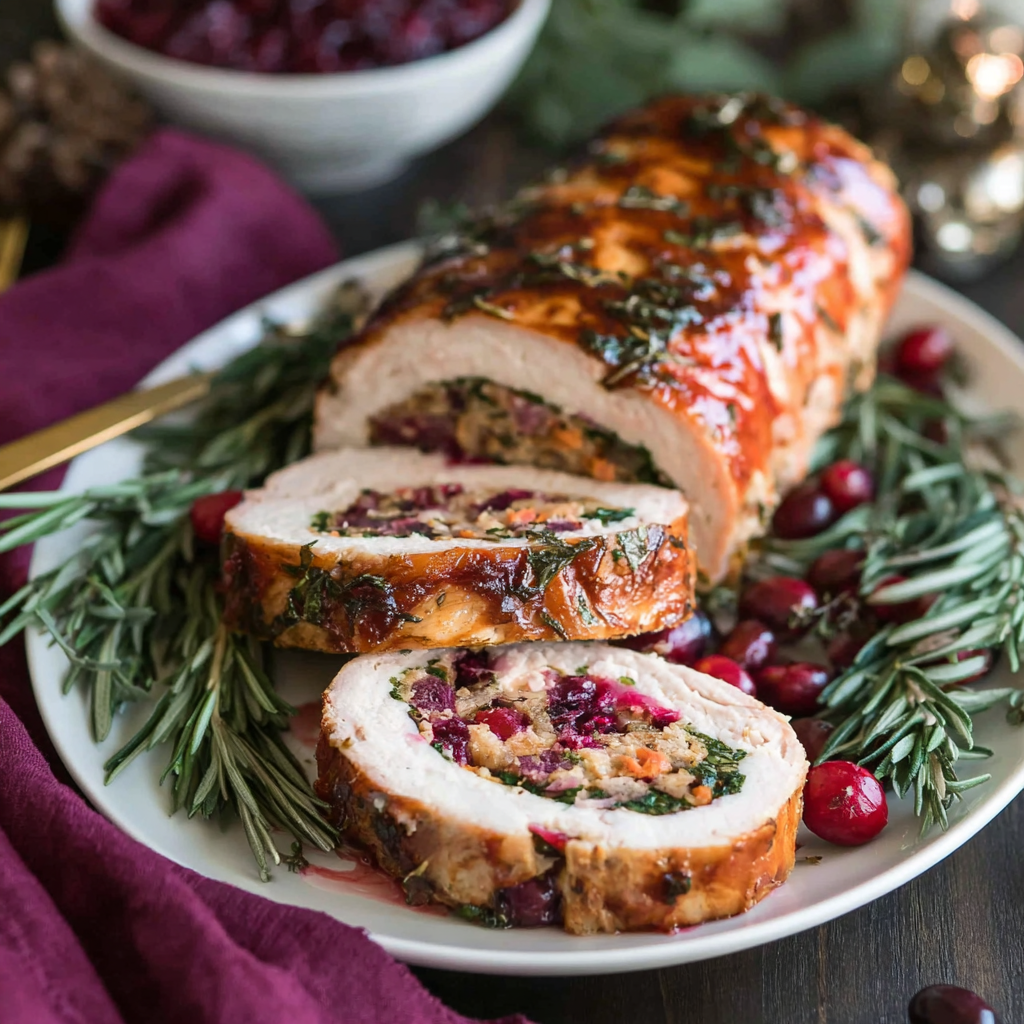
Savory Turkey Roulade with Cranberry-Sage Stuffing
Ingredients
Method
- Prepare the Turkey Breast
- Make the Stuffing
- Add the Remaining Ingredients to Stuffing
- Assemble the Roulade
- Preheat the Oven and Prepare the Baking Dish
- Bake the Turkey Roulade
- Let the Roulade Rest and Slice
- Serve and Enjoy
Notes
Additional serving suggestions: pair with a crisp salad, garlic bread, or roasted seasonal vegetables for balance.
For make-ahead, prep components separately and assemble just before heating to preserve texture.
Taste and adjust with acid (lemon/vinegar) and salt right at the end to wake up flavors.


