Introduction
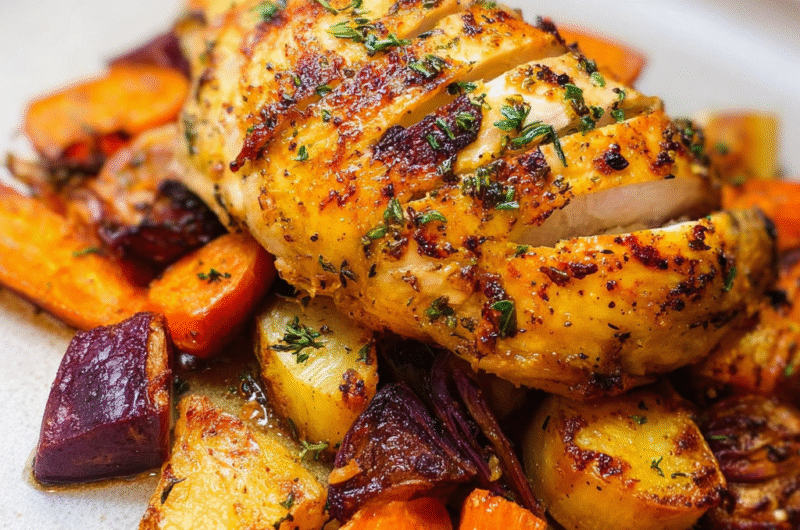
Roast chicken is a dish that embodies comfort and warmth, transforming any ordinary dinner into a cherished feast. When paired with earthy root vegetables, it turns into a magnificent meal full of flavor and nutrition. The method of roasting brings out the natural sweetness of the vegetables while creating a delectably crispy skin on the chicken.
This dish is not only a delight for the taste buds but is also beautifully simple to prepare. The interplay between the tender chicken and the hearty vegetables creates a hearty meal that can be enjoyed any night of the week. As the chicken roasts, the entire kitchen fills with a mouthwatering aroma, inviting everyone to come to the table.
Cooking roast chicken with root vegetables allows for flexibility; you can use what’s in season or what you have at hand. With a few straightforward techniques, you will create a dish that will make your family feel like you’ve brought a bit of culinary magic into your home.
Ingredients
- 1 whole chicken (about 4–5 lbs)
The star of the dish, providing juicy, flavorful meat. Choosing a good-quality bird is essential as the quality of the chicken significantly impacts the final flavor and tenderness. - 2 tbsp olive oil
Olive oil not only helps to crispen the skin of the chicken but also enhances the overall flavor. It acts as a medium to carry herbs and spices, promoting an even distribution throughout the chicken. - 2 tsp salt
Salt is crucial for seasoning the chicken, helping to draw out moisture and creating a crispy skin. It enhances the natural flavors of the meat while also ensuring the root vegetables are well-seasoned. - 1 tsp black pepper
Black pepper adds a level of warmth and depth. It complements the seasoning of the chicken and contrasts nicely with the sweetness of the root vegetables. - 4 carrots, cut into chunks
Carrots bring sweetness and vibrant color, which adds aesthetic appeal to the dish while also providing a nutritious component that cooks beautifully alongside the chicken. - 3 parsnips, cut into chunks
Parsnips offer a unique earthy sweetness that balances the flavors of the chicken. Their texture holds up well during roasting, resulting in tender, flavorful bites. - 1 onion, quartered
Onions provide a rich base flavor, becoming sweet and caramelized as they roast. They add moisture to the roasting environment, benefiting both the chicken and vegetables. - 2 cloves garlic, smashed
Garlic contributes an aromatic depth and richness. As it roasts, it infuses the chicken and vegetables with its robust flavor, enhancing the overall dish. - 1 sprig fresh rosemary (optional)
Rosemary lends a fragrant, herbal quality, beautifully complementing the chicken's flavor. Fresh herbs elevate the dish, adding a layer of complexity that is perfectly suited for a roast dinner.
Directions & Preparation
Step 1: Preheat the oven to 425°F (220°C).
Preheating the oven is essential as it ensures that the chicken cooks evenly from the moment it goes in. A hot oven promotes a crispy skin and helps render the fat, keeping the meat juicy inside. Set your timer to allow it enough time to reach the desired temperature.
Step 2: Prepare the chicken by patting it dry with paper towels.
Drying the chicken with paper towels removes excess moisture, which is crucial for achieving a crispy skin. Moisture on the surface of the chicken can lead to steaming rather than roasting, which ultimately affects the texture. Properly dried skin will brown beautifully in the hot oven.
Step 3: Season the chicken generously with olive oil, salt, and black pepper.
Coating the chicken with olive oil and seasoning it well ensures an even flavor distribution. The salt is essential for enhancing the natural flavor, while the oil aids in forming a golden, crisp exterior. Make sure to rub the seasoning evenly over the skin and into the cavity.
Step 4: Place the chicken in a roasting pan and add root vegetables around it.
Positioning the chicken in the center of a roasting pan allows heat to circulate evenly. The root vegetables should be nestled around the chicken, soaking up the drippings as they roast, which adds flavor to both the veggies and the meat. This arrangement creates a stunning presentation when served.
Step 5: Toss the vegetables in olive oil, salt, and garlic.
Coating the vegetables in oil and seasonings ensures they become flavorful and caramelized during roasting. The garlic, smashed rather than minced, adds a milder, delicious aroma that melds beautifully with the other ingredients, enhancing the dish's overall character.
Step 6: Insert a meat thermometer into the thickest part of the chicken.
Using a meat thermometer is a reliable way to ensure your chicken is fully cooked yet remains juicy. The safe internal temperature for chicken is 165°F (75°C). Checking the temperature in the thickest part ensures doneness without overcooking.
Step 7: Roast in the oven for about 1 hour 15 minutes, or until the chicken reaches temperature.
Roasting the chicken at high heat promotes browning and a crispy skin while cooking the meat through. The time will depend on the chicken's size; monitoring the internal temperature is key to avoiding overcooking. The vegetables will become golden and tender as the chicken roasts.
Step 8: Let the chicken rest for 10-15 minutes before carving.
Resting the chicken allows the juices to redistribute throughout the meat, making it more tender and flavorful when carved. Cutting it too soon can result in dry meat, so be patient and enjoy the aroma wafting from the bird as it rests.
Step 9: Carve the chicken and serve with the roasted vegetables.
Carving the chicken allows everyone to enjoy the succulent meat, and serving it alongside the beautifully roasted vegetables enhances the meal. The colors and textures create an appealing plate, making this comforting dish perfect for any occasion.

The Importance of High Heat for Roasting
Roasting at a high temperature is key for achieving that coveted crispy skin on the chicken. It also creates a beautiful Maillard reaction, which is responsible for deep flavor development. This combination not only enhances the taste but ensures the vegetables caramelize and reach their full flavor potential, giving the dish an overall rich profile.
Choosing the Right Root Vegetables
Root vegetables like carrots, parsnips, and potatoes are ideal for roasting due to their starchy nature. They caramelize nicely and hold their shape well during cooking. Selecting a mix of colors and types adds visual appeal, flavor variety, and nutritional benefits, making your dish not only more enjoyable but also visually stunning.
Resting: A Critical Step
Resting the carved chicken may seem unnecessary, but it's crucial for ensuring tenderness. During cutting, the juices naturally flow out, which can lead to dryness if not allowed time to settle. This brief rest period enhances the dining experience, allowing the flavors to meld for a more satisfying meal. Patience here pays off in flavor!
FAQs
What if my chicken skin isn't crispy enough?
If your chicken skin isn't crispy, it could be due to excess moisture. Ensure the skin is thoroughly dried before applying oil and seasoning. You can also increase the oven temperature slightly during the last 10 minutes of cooking for extra crispiness.
My vegetables seem overcooked while the chicken is undercooked; what happened?
This can happen if the vegetables are cut too small or if they are placed in the oven before the chicken. Make sure to cut the vegetables into larger chunks and add them to the pan with the chicken for even cooking.
Can I use different types of vegetables?
Absolutely! Feel free to substitute any root vegetables you enjoy or have on hand. Sweet potatoes, turnips, or beets can work wonderfully for added taste and color.
Why does my chicken taste bland?
Bland chicken is often the result of insufficient seasoning. Ensure you season both the skin and inside the cavity of the chicken generously with salt and pepper. Marinades can also enhance flavor if done ahead of time.
What should I do if my chicken is overcooked?
If your chicken is overcooked, you can salvage it by serving it with a flavorful sauce or broth to add moisture. Consider slicing the meat into strips and serving it with a rich gravy or a herby sauce.
Can I roast the chicken and vegetables in one pan?
Yes, roasting everything in one pan is the traditional method. It allows the chicken juices to flavor the vegetables while they cook, creating a harmonious blend of flavors.
Conclusion
Roast chicken with root vegetables is a timeless dish that speaks to the heart of home cooking. With its repertoire of flavors and straightforward preparation, it’s perfect for busy weeknights or special occasions alike. There’s a satisfying comfort in sharing a meal that has been carefully prepared with love.
As you explore this recipe, feel free to experiment with different vegetables and spices to reflect your own tastes. Embrace the simplicity that comes with roasting and let your kitchen become a haven of delightful aromas. With practice, you’ll create a perfect roast chicken that your family will ask for again and again.
Recipe Card

Irresistible No Bake Pumpkin Cheesecake Balls
Ingredients
Method
- Prepare the cream cheese mixture.
- Chill the filling mixture.
- Form the cheesecake balls.
- Coat the balls with graham cracker crumbs.
- Melt the white chocolate.
- Coat the balls in white chocolate.
- Chill again to set.
- Serve and enjoy.
Notes
Additional serving suggestions: pair with a crisp salad, garlic bread, or roasted seasonal vegetables for balance.
For make-ahead, prep components separately and assemble just before heating to preserve texture.
Taste and adjust with acid (lemon/vinegar) and salt right at the end to wake up flavors.


