Introduction
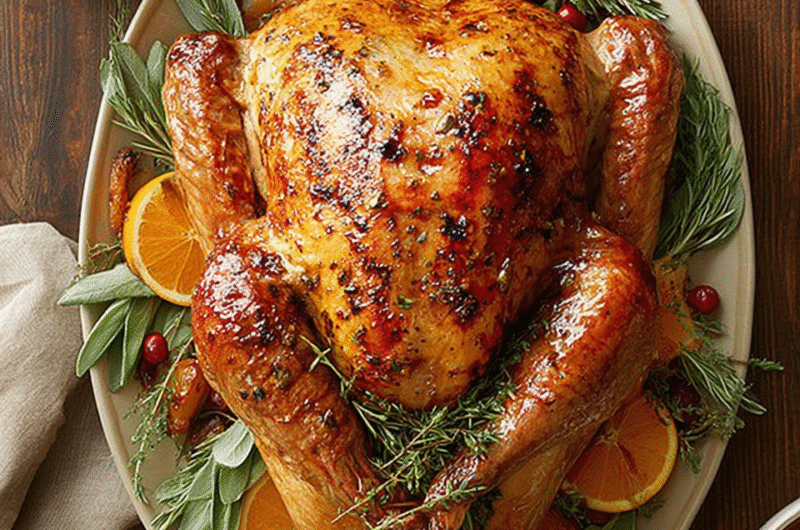
Roasting a turkey is a time-honored tradition that brings families together around the dinner table. The simplicity of classic roast turkey lies in its flavors and the aromas that fill your home during cooking. With careful preparation and attention to detail, your turkey can be the star of any gathering.
This dish serves as a canvas for golden-brown skin, juicy meat, and rich drippings that can transform into a delectable gravy. Whether you're celebrating a holiday or just enjoying a Sunday feast, mastering the roast turkey can elevate your home cooking skills and impress your loved ones.
Ingredients
- 1 (12-14 pound) turkey
The main event, a quality turkey ensures tender and flavorful meat. Choose a fresh or properly thawed frozen turkey, as this affects cooking time and flavor. - 4 tablespoons unsalted butter, softened
Butter adds essential moisture and flavor to the turkey skin, contributing to that irresistible golden-brown finish. - 2 teaspoons salt
Salt is crucial for flavor enhancement and helps to retain moisture, ensuring the meat is juicy and well-seasoned. - 1 teaspoon black pepper
Pepper is a basic seasoning that adds a subtle warmth and depth to the flavor profile of the turkey. - 1 onion, quartered
Onion not only flavors the turkey from the inside but also infuses the broth with richness, complementing the overall taste. - 2 carrots, cut into chunks
Carrots add natural sweetness and, along with other vegetables, contribute to a rich base for the gravy. - 2 celery stalks, cut into chunks
Celery brings an earthy flavor and crunch, marrying well with the other aromatics during cooking. - 1 lemon, halved
Lemon provides a hint of acidity that brightens the rich flavors of the turkey, while its aroma works well during roasting. - Fresh herbs (sage, thyme, rosemary)
Herbs infuse the turkey with fragrant flavors that elevate the dish, creating a comforting aroma in your kitchen. - 4 cups low-sodium chicken broth
Broth serves as a basing liquid to keep the turkey moist while cooking and makes a robust base for gravy.
Directions & Preparation
Step 1: Preheat the oven to 325°F (165°C).
Starting with a properly preheated oven ensures that the turkey cooks evenly. This temperature allows for a slow roast, which is key to achieving moist meat and perfectly browned skin.
Step 2: Prepare the turkey by removing the giblets and rinsing it under cold water.
Removing the giblets is crucial for cooking the turkey correctly and prevents any off-flavors from affecting the meat. Rinsing the turkey ensures that any residual blood or impurities are washed away, leading to a cleaner flavor profile.
Step 3: Pat the turkey dry with paper towels.
Drying the turkey helps achieve crispy skin since moisture can hinder the browning process. By removing excess moisture, you're setting your turkey up for a beautiful, golden exterior.
Step 4: Rub the turkey with softened butter, salt, and pepper, including the inside cavity.
This step ensures that the seasoning penetrates the meat, providing a balanced flavor throughout. The butter also creates a luscious coating on the skin, enhancing both flavor and texture.
Step 5: Stuff the cavity with onion, lemon halves, and fresh herbs.
Stuffing the turkey imparts delightful flavors from within, enhancing the overall taste. Aromatic vegetables and herbs will steam as the turkey roasts, infusing the meat with additional essence.
Step 6: Tie the legs together with kitchen twine and tuck the wings under the turkey.
Trussing the turkey helps maintain its shape during roasting, allowing for even cooking. Tucking the wings prevents them from burning and keeps the presentation tidy.
Step 7: Place the turkey breast-side up on a roasting rack inside a roasting pan.
Using a roasting rack promotes even airflow and cooking throughout the turkey. A roasting pan will catch the drippings, which can be used for gravy, enhancing the meal.
Step 8: Pour chicken broth into the roasting pan, and cover the turkey loosely with aluminum foil.
Adding broth enhances the moisture during cooking, preventing the bird from drying out. Covering with foil initially allows the steam to keep the meat tender, while the last stage of roasting achieves a crisp skin.
Step 9: Roast the turkey in the preheated oven, basting every 30 minutes with drippings.
Basting helps maintain moisture in the turkey and encourages a beautiful golden color. It’s a simple way to enhance flavor and tenderness without much extra effort.
Step 10: Remove the foil for the last hour of cooking to crisp up the skin.
Letting the turkey roast uncovered allows the skin to brown and achieve a crunchy texture. It's crucial to watch closely during this stage to prevent burning.
Step 11: Check the internal temperature with a meat thermometer; it should read 165°F (74°C) in the thickest part of the breast.
This is the safest method for ensuring the turkey is fully cooked. Undercooking can pose health risks, while overcooking leads to dryness, so precision is key.
Step 12: Let the turkey rest for at least 30 minutes before carving.
Resting allows the juices to redistribute throughout the meat, causing less moisture loss when you cut into it. A rested turkey is more succulent and easier to carve, enhancing the dining experience.

The Role of Flavorful Aromatics
Aromatics such as onions, carrots, and celery serve as the foundation for the roast turkey's flavor. By creating a bed of these vegetables in the roasting pan, they not only improve the taste of the bird but also infuse the drippings, which are essential for making a delectable gravy. Additionally, citrus fruits and fresh herbs added to the cavity enhance the aromatic experience while you cook.
Importance of Resting Time
Resting is a crucial step that many overlook. After roasting, allowing the turkey to sit undisturbed helps the juices settle back into the meat. Slicing too soon can result in a drier turkey as these precious juices escape. This wait time is essential for achieving maximum tenderness and flavor while giving you the chance to prepare your serving platters and sides.
Perfectly Crispy Skin Achieved
Achieving that iconic crispy skin is not just for aesthetics; it enhances texture and flavor. To accomplish this, starting with a dry turkey and using butter liberally ensures a golden finish. Removing the foil during the last hour of roasting provides that extra heat needed to render the fat and achieve a crisp surface, making every bite delightful.
FAQs
What should I do if my turkey is cooking too quickly?
If your turkey is browning too fast, reduce the oven temperature to 300°F (150°C) and cover it loosely with foil to prevent burning.
How can I tell the turkey is properly seasoned?
Before roasting, taste a small amount of the butter or salt mixture you make; it should be distinct but not overly salty, ensuring flavorful meat.
What if my turkey is undercooked but the skin is perfectly brown?
If the skin is browned but the meat is undercooked, lower the oven temperature and cover the turkey with foil until the internal temperature reaches 165°F (74°C).
Is there an alternative to fresh herbs if I only have dried?
Yes, if using dried herbs, reduce the amount by one-third, as they are more concentrated in flavor compared to fresh herbs.
How long should I roast a larger turkey?
For turkeys over 14 pounds, plan on cooking for about 13-15 minutes per pound at 325°F (165°C), checking regularly with a thermometer.
What do I do if the drippings are too oily for gravy?
If your drippings are greasy, let them sit for a few minutes, then skim the fat off the top with a spoon before you make your gravy.
Conclusion
Mastering a classic roast turkey is a rewarding endeavor that showcases your culinary skills and creates lasting memories. The technique may require patience, but the result is a succulent, beautifully roasted centerpiece that pleases every palate. Remember to enjoy the journey, not just the end result.
As you gather with loved ones around the table, reflect on the joy of cooking and the warmth of shared meals. With practice and care, your classic roast turkey will become a treasured family tradition for years to come.
Recipe Card
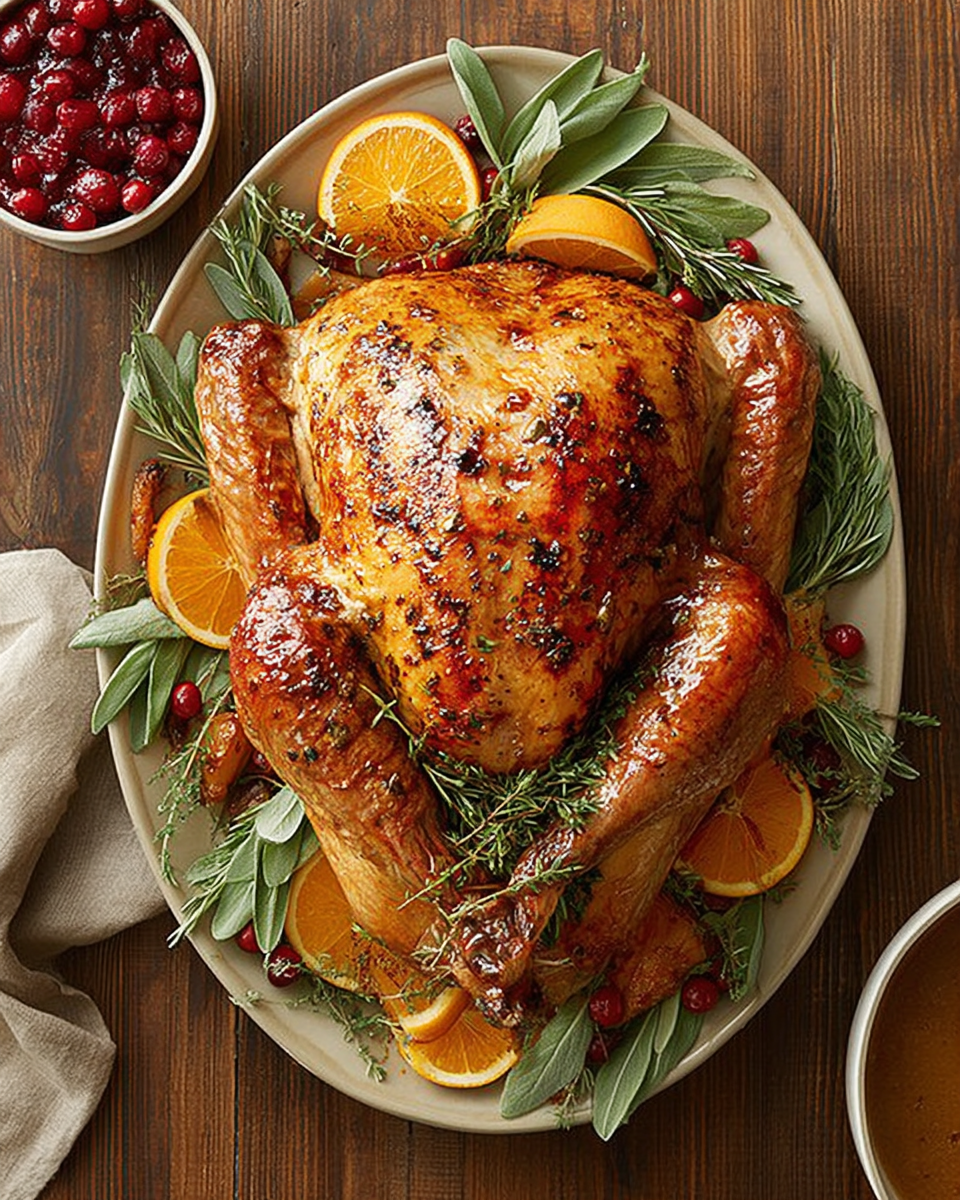
Simple Techniques for a Classic Roast Turkey
Ingredients
Method
- Preheat the oven to 325°F (165°C).
- Prepare the turkey by removing the giblets and rinsing it under cold water.
- Pat the turkey dry with paper towels.
- Rub the turkey with softened butter, salt, and pepper, including the inside cavity.
- Stuff the cavity with onion, lemon halves, and fresh herbs.
- Tie the legs together with kitchen twine and tuck the wings under the turkey.
- Place the turkey breast-side up on a roasting rack inside a roasting pan.
- Pour chicken broth into the roasting pan, and cover the turkey loosely with aluminum foil.
- Roast the turkey in the preheated oven, basting every 30 minutes with drippings.
- Remove the foil for the last hour of cooking to crisp up the skin.
- Check the internal temperature with a meat thermometer; it should read 165°F (74°C) in the thickest part of the breast.
- Let the turkey rest for at least 30 minutes before carving.
Notes
Additional serving suggestions: pair with a crisp salad, garlic bread, or roasted seasonal vegetables for balance.
For make-ahead, prep components separately and assemble just before heating to preserve texture.
Taste and adjust with acid (lemon/vinegar) and salt right at the end to wake up flavors.


