Introduction
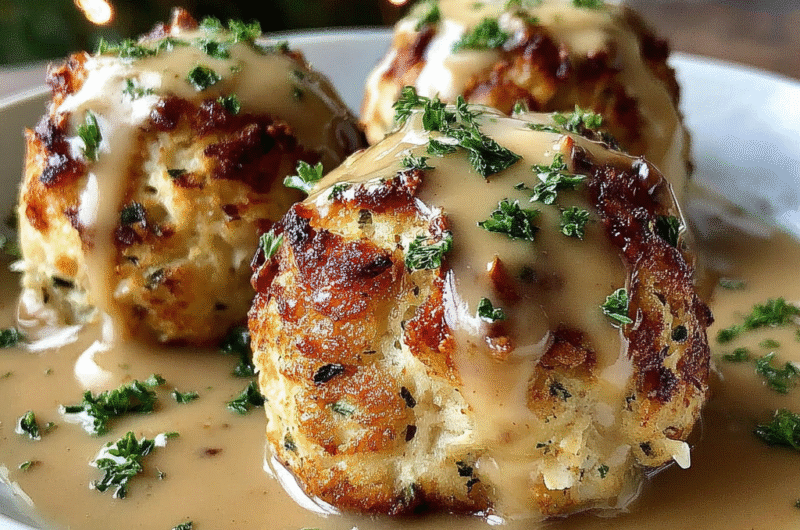
Turkey stuffing balls offer a delicious twist on traditional stuffing, perfect for those who love flavorful, portable bites. These savory morsels combine aromatic herbs, hearty bread, and delectable turkey into a satisfying dish that can be served at gatherings or as a comforting side during special meals.
What sets these stuffing balls apart is not just their taste but also their versatility. They can be baked, fried, or even grilled, accommodating various cooking preferences. Whether enjoyed as an appetizer or served alongside your favorite proteins, they are sure to please a crowd.
In this recipe, we’ll walk through creating these delightful turkey stuffing balls from scratch. Following this detailed guide will help you achieve the perfect balance of flavors and textures to elevate your dining experience.
Ingredients
- 1 pound ground turkey
Ground turkey serves as the protein base for these stuffing balls. It’s lean yet flavorful, making it a healthy option that absorbs the seasonings beautifully. - 4 cups day-old bread, cubed
Using stale bread is key to achieving the right texture in your stuffing balls. It helps absorb moisture from liquids without becoming mushy, providing a sturdy base. - 1 cup chicken broth
Chicken broth adds moisture and depth of flavor to the stuffing mixture. It helps bind the ingredients while enhancing their overall taste. - 1 small onion, finely chopped
Onion contributes sweetness and a robust flavor. When sautéed, it caramelizes, enriching the stuffing balls with a rich, savory character. - 2 cloves garlic, minced
Garlic provides an aromatic punch that elevates the flavor profile. Fresh garlic is preferred for its potency compared to garlic powder. - 2 tablespoons fresh parsley, chopped
Fresh parsley introduces a touch of brightness and color. It also contributes a subtle herbal note that complements the other ingredients. - 1 teaspoon dried thyme
Thyme lends an earthy and warm flavor, which pairs well with turkey and enhances the stuffing experience. - 1 teaspoon sage
Sage is a classic herb in stuffing recipes, bringing its aromatic, slightly peppery flavor that embodies the essence of holiday cooking. - 1 large egg
The egg acts as a binder, helping to hold the stuffing balls together. It adds richness and helps maintain their shape during cooking. - Salt and pepper to taste
Seasoning with salt and pepper is important to ensure balance and enhance the flavors of all other ingredients. Adjust according to your preference.
Directions & Preparation
Step 1: Preheat your oven to 375°F (190°C).
Preheating the oven is essential for ensuring even cooking from the start. This allows the stuffing balls to develop a nice golden exterior while remaining moist inside.
Step 2: In a skillet, heat a tablespoon of oil over medium heat; add the chopped onion and sauté until translucent, about 5 minutes.
Sautéing the onion before mixing it with other ingredients allows its natural sugars to caramelize, which enhances the overall flavor of the stuffing balls.
Step 3: Add the minced garlic to the skillet and cook for an additional 1-2 minutes, stirring frequently.
Adding garlic after the onion ensures it doesn’t burn, allowing its flavor to be released without becoming bitter. Watch for browning, as it can easily overcook.
Step 4: In a large mixing bowl, combine the sautéed onion and garlic with the ground turkey, cubed bread, chicken broth, parsley, thyme, sage, egg, salt, and pepper.
Mixing all the ingredients in a bowl allows the flavors to meld together. Ensure even distribution for uniform flavor in each stuffing ball.
Step 5: Using your hands, form the mixture into golf ball-sized balls and place them on a baking sheet lined with parchment paper.
Shaping the balls with your hands ensures they are well-compressed for even cooking. Parchment paper prevents sticking and creates an easy cleanup.
Step 6: Bake the stuffing balls in the preheated oven for 25-30 minutes, or until golden brown and cooked through.
Baking allows the stuffing balls to firm up and develop a crispy outer layer. Keep an eye on them toward the end to prevent overcooking.
Step 7: Remove the baking sheet from the oven and let the balls cool for a few minutes before serving.
Allowing the stuffing balls to cool slightly helps set their shape and makes them easier to handle. They’ll retain heat while remaining moist inside.

Choosing the Right Bread for Texture
The type of bread you select for your turkey stuffing balls can significantly impact their texture. Ciabatta or sourdough offers a chewy texture that holds moisture well, while white bread creates a softer, fluffier stuffing. Consider cubing and toasting the bread for added crunch, which introduces a delightful variation.
Herb Variations to Elevate Flavor
While traditional herbs like sage and thyme are staples, don’t hesitate to experiment with others. Fresh rosemary or oregano can add unique notes, enhancing the stuffing balls with a different aroma and flavor profile. Customizing your herb choices allows you to tailor the dish according to the season or personal preference.
Serving Suggestions to Impress Guests
These turkey stuffing balls are versatile enough to serve solo or alongside your favorite sauces or gravies. Pair them with a cranberry sauce for a sweet contrast, or serve with a garlic aioli for a creamy dip. Presenting them on a platter with fresh herbs not only enhances their visual appeal but elevates your dining experience.
FAQs
What if my stuffing balls are too dry?
If the stuffing balls turn out dry, consider adding a bit more chicken broth or a splash of melted butter to the mixture before shaping. This will help keep them moist.
Can I substitute ground turkey with another meat?
Yes, you can use ground chicken or even ground beef if you prefer flavor variations. Just be mindful of adjusting seasoning according to the meat used.
What do I do if my stuffing balls fall apart while baking?
To prevent this, ensure adequate binding with the egg and avoid over-mixing the ingredients. If they still fall apart, consider adding more breadcrumbs.
How can I make the stuffing balls more flavorful?
Increase the quantity of herbs or add spices like paprika or cumin for a different flavor dimension. Taste the mixture before baking, adjusting seasoning as necessary.
What can I do if the stuffing balls are too bland?
If the balls lack flavor, add more salt and pepper to the mixture. You might also mix in a teaspoon of Dijon mustard for an additional flavor kick.
Can I add cheese to the stuffing balls?
Certainly! Adding grated cheese like parmesan or cheddar can enhance creaminess and flavor. Just incorporate it into the mixture before shaping.
Conclusion
Turkey stuffing balls are a savory treat that brings together comforting flavors in a fun, bite-sized form. Their versatility makes them suitable for numerous occasions, from holiday feasts to casual gatherings.
As you experiment with different herbs and ingredient combinations, you'll find the perfect blend that suits your palate. Embrace this recipe as a foundation and make these stuffing balls your own!
Recipe Card
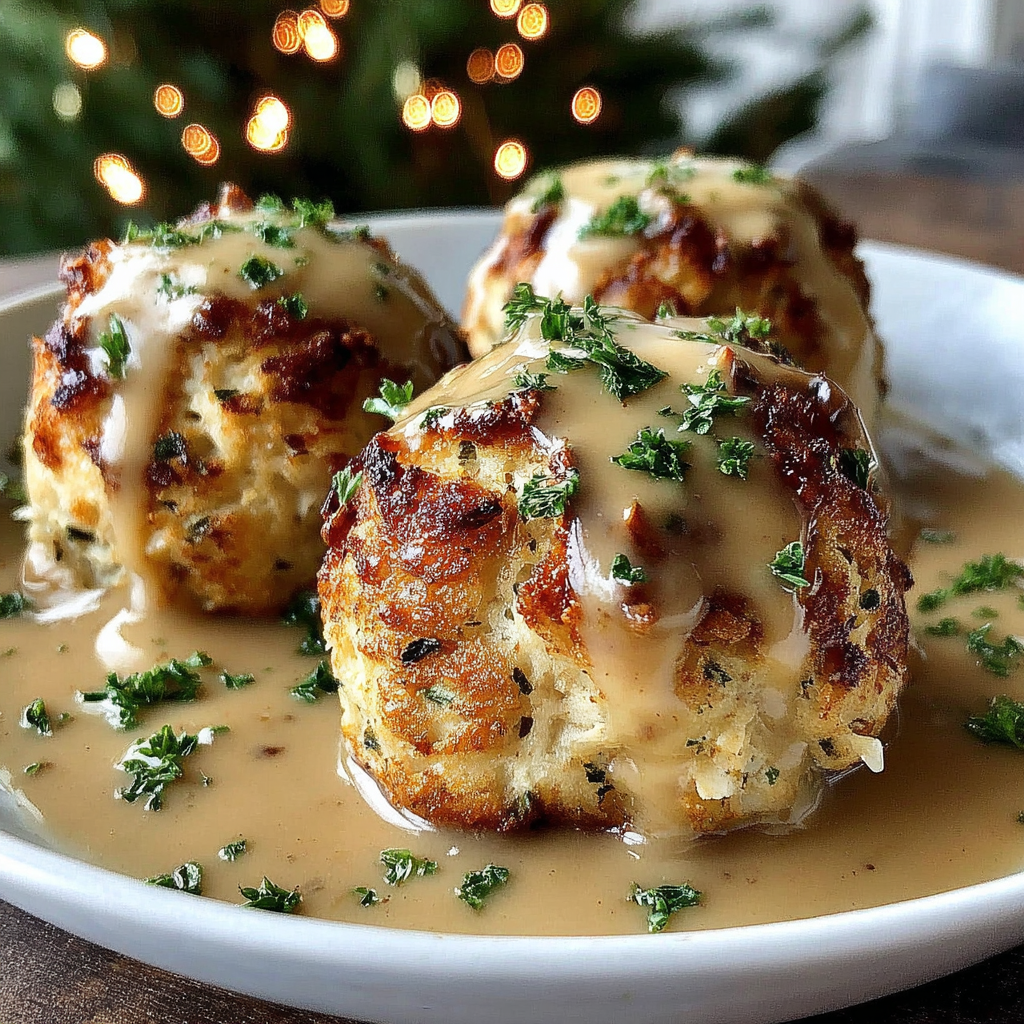
Savory Turkey Stuffing Balls for Any Occasion
Ingredients
Method
- Preheat your oven to 375°F (190°C).
- In a skillet, heat a tablespoon of oil over medium heat; add the chopped onion and sauté until translucent, about 5 minutes.
- Add the minced garlic to the skillet and cook for an additional 1-2 minutes, stirring frequently.
- In a large mixing bowl, combine the sautéed onion and garlic with the ground turkey, cubed bread, chicken broth, parsley, thyme, sage, egg, salt, and pepper.
- Using your hands, form the mixture into golf ball-sized balls and place them on a baking sheet lined with parchment paper.
- Bake the stuffing balls in the preheated oven for 25-30 minutes, or until golden brown and cooked through.
- Remove the baking sheet from the oven and let the balls cool for a few minutes before serving.
Notes
Additional serving suggestions: pair with a crisp salad, garlic bread, or roasted seasonal vegetables for balance.
For make-ahead, prep components separately and assemble just before heating to preserve texture.
Taste and adjust with acid (lemon/vinegar) and salt right at the end to wake up flavors.


