Introduction
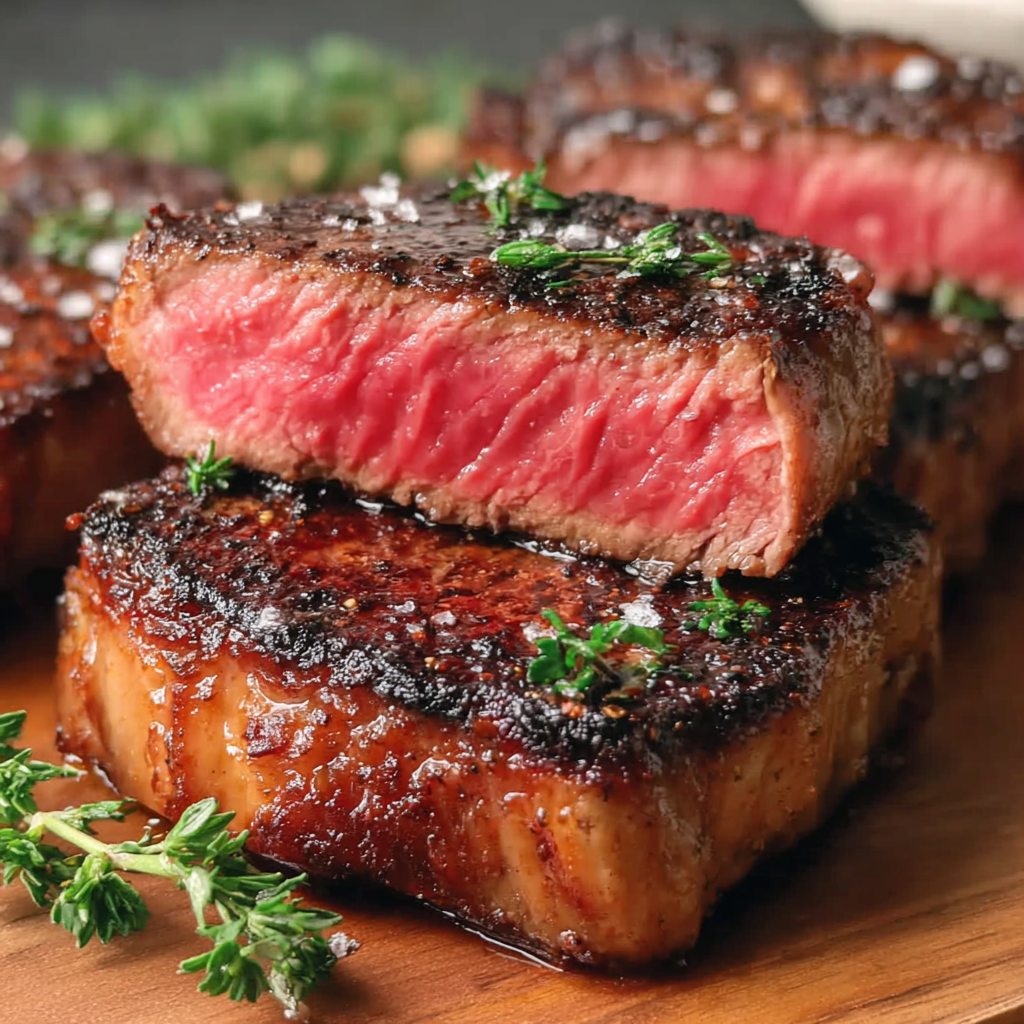
When it comes to steak, few cuts rival the ribeye in terms of tenderness and flavor. Known for its marbled fat, the ribeye provides a rich, juicy experience that leaves a lasting impression on your palate. Whether you're an experienced cook or just starting, perfecting the ribeye is a rewarding endeavor.
Cooking a ribeye isn't just about the meat; it's also about understanding the science behind flavor and texture. This cut benefits immensely from a simple seasoning and the right cooking method to maximize its inherent qualities. Get ready to elevate your dinner table with a ribeye that will impress everyone.
Ingredients
- 2 ribeye steaks, 1.5 inches thick
These steaks are ideally marbled, which contributes to flavor and juiciness, making them the star of your meal. - 2 teaspoons salt
Salt enhances the natural flavors of the meat and helps to form a crust when searing, locking in juices. - 1 teaspoon black pepper
The pepper adds a subtle heat and complexity, balancing the richness of the ribeye perfectly. - 2 tablespoons olive oil
Olive oil not only prevents sticking but also adds another layer of flavor while aiding in the formation of a delicious crust. - 2 cloves garlic, crushed
Garlic infuses the steak with aromatic flavor, enhancing the overall taste of the dish. - 2 sprigs of fresh rosemary or thyme
These herbs provide a fresh, earthy aroma and flavor, complementing the richness of the meat beautifully.
Directions & Preparation
Step 1: Remove ribeye steaks from the refrigerator and let them rest at room temperature for about 30 minutes.
Allowing the steaks to come to room temperature ensures even cooking throughout. If the meat is too cold when you start cooking, the outside may char before the inside reaches the perfect degree of doneness.
Step 2: Season the steaks generously with salt and black pepper on both sides.
Coating the steaks with salt and pepper enhances their natural flavors and aids in developing a flavorful crust during cooking. Don’t shy away from seasoning; a good amount of salt is necessary for the meat's taste.
Step 3: Heat a cast-iron skillet over high heat until very hot, about 5 minutes.
A hot skillet is crucial for achieving that lovely sear on the steak. The high temperature will instantly caramelize the meat’s surface, locking in moisture and maximizing flavor.
Step 4: Add olive oil and swirl to coat the pan, then carefully place the ribeye steaks in the skillet.
Using oil with a high smoke point, like olive oil, is important as it can withstand high temperatures. This step not only prevents sticking but also establishes a beautiful crust.
Step 5: Cook the steaks without moving them for 4-5 minutes until a browned crust forms.
Resist the urge to flip the steaks too soon. Letting them rest on one side allows for proper browning, which adds depth to the flavor and texture.
Step 6: Flip the steaks and add crushed garlic and herbs to the skillet.
Flipping the steak at the right time ensures optimal sear on both sides. Adding garlic and herbs infuses their flavors into the meat while it finishes cooking.
Step 7: Cook for another 3-4 minutes for medium-rare or until desired doneness is reached.
Cooking times can vary based on steak thickness and heat level. Using an instant-read thermometer is the most accurate way to achieve your preferred doneness; aim for 130°F for medium-rare.
Step 8: Remove the steaks from the skillet and let them rest for at least 5-10 minutes before slicing.
Resting allows the juices to redistribute throughout the meat, which is crucial for a juicy steak. Cutting too early can result in juices running out, leading to a drier bite.

Understanding Ribeye's Fat Content
The ribeye steak is known for its rich marbling, which is the fat interspersed within the muscle. This fat melts during cooking, creating a tender and moist steak that is bursting with flavor. The marbling gives ribeye its characteristic juiciness and helps it remain succulent, even when cooked to higher temperatures.
Searing Techniques for Maximum Flavor
Searing the ribeye is pivotal in developing its complex flavor profile. High heat creates a Maillard reaction, where proteins and sugars in the meat interact to produce a rich golden-brown crust. This not only adds flavor but also enhances the overall experience of enjoying a juicy steak.
Herbs and Garlic – A Flavorful Addition
Incorporating garlic and herbs like rosemary or thyme adds depth to the ribeye’s flavor. As these aromatics cook, they infuse the steak with their essence, providing a delicious contrast to the meat’s richness. This simple addition elevates the dish, ensuring every bite is packed with flavor.
FAQs
What if my ribeye is too thick for even cooking?
If your ribeye is particularly thick, consider using the reverse sear method. Start by cooking it in an oven at a low temperature until it reaches the desired internal temperature, then finish with a sear on the stovetop.
How do I prevent my ribeye from being bland?
Enhance the flavor by generously seasoning with salt before cooking and consider marinating it or adding a compound butter after cooking for an extra flavor boost.
What’s the best way to check my steak's doneness?
An instant-read thermometer is the best method. For medium-rare, aim for an internal temperature of about 130°F; adjust based on your preference.
Can I substitute olive oil with another type of oil?
Yes, you can use other oils with high smoke points, such as canola or avocado oil, although olive oil adds a distinct flavor that complements the ribeye well.
What should I do if I overcook my ribeye?
If you've overcooked the steak, serving it with a flavorful sauce or compound butter can help to mask some of the dryness and enhance the overall eating experience.
How can I achieve a better crust on my ribeye?
Ensure your skillet is very hot before adding the steaks and avoid overcrowding the pan. A good sear needs sufficient space to form an optimal crust.
Conclusion
Cooking a ribeye at home can be a rewarding experience, transforming a simple meal into a memorable occasion. With each bite, you'll appreciate the tender, juicy flavor that this cut offers.
By understanding the fundamentals of seasoning and cooking techniques, you can ensure that your ribeye is both delicious and perfectly cooked every time. Enjoy experimenting with flavors and techniques as you master this classic steak.
Recipe Card
Notes
Additional serving suggestions: pair with a crisp salad, garlic bread, or roasted seasonal vegetables for balance.
For make-ahead, prep components separately and assemble just before heating to preserve texture.
Taste and adjust with acid (lemon/vinegar) and salt right at the end to wake up flavors.


