Introduction
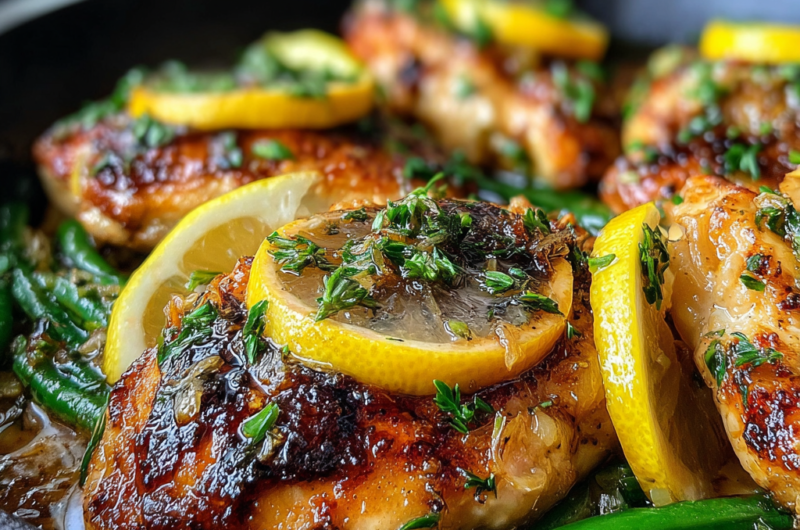
Cooking can often feel like a chore, especially on busy weeknights. Yet, with simple ingredients and a little creativity, preparing a delicious meal doesn't have to be stressful. One-pan dishes are brilliant because they minimize cleanup while maximizing flavor. One such dish that deserves a spot in your culinary repertoire is the lemon garlic chicken.
This dish stands out not just for its stunning citrus notes but for the depth provided by garlic and herbs. The chicken becomes tender and juicy as it braises in the pan, absorbing every bit of flavor along the way. Serve it with your choice of sides, and you have a satisfying meal ready in no time.
Ingredients
- 4 chicken thighs (bone-in, skin-on)
Chicken thighs are chosen for their rich flavor and juiciness. The skin protects the meat during cooking, resulting in a tender bite and a crispy exterior when seared properly. - 2 tablespoons olive oil
Olive oil adds healthy fats and helps achieve a golden-brown sear on the chicken. It's also a perfect base for the flavorings that follow. - 4 cloves garlic, minced
Garlic infuses the dish with a robust flavor. As it cooks, it caramelizes and mellows, adding depth to the overall profile of the meal. - 1 lemon, zested and juiced
Lemon zest gives a fresh, aromatic brightness while the juice lends acidity that balances the richness of the chicken and enhances all the other flavors. - 1 cup chicken broth
Chicken broth provides moisture and rich flavor, helping the chicken to cook through while also forming the base for a savory sauce. - 1 teaspoon dried oregano
Dried oregano adds a savory herbal note that complements the chicken beautifully. It's an essential flavor that brings everything together. - Salt and pepper, to taste
Seasoning is critical in cooking; salt enhances flavors and balances the dish, while pepper adds a subtle heat. - Fresh parsley, chopped (for garnish)
Fresh parsley not only garnishes but also adds a touch of freshness and color, brightening the presentation of the dish.
Directions & Preparation
Step 1: Season the chicken thighs with salt and pepper.
Seasoning the chicken before cooking allows the flavors to penetrate the meat. A generous sprinkle of salt and pepper creates a savory base that enhances the overall dish. Be sure to rub it into the skin and the flesh for an even distribution.
Step 2: Heat olive oil in a large skillet over medium-high heat.
Heating olive oil properly is essential for achieving a good sear on the chicken. The oil should shimmer but not smoke, which indicates that it's hot enough for the next step. This searing process will lock in the flavors and moisture.
Step 3: Sear the chicken thighs skin-side down until golden brown, about 5-7 minutes.
Allow the chicken to sear without moving it for those crucial minutes. This will create that crisp, golden skin. Check the chicken and flip only when it's ready to avoid tearing the skin.
Step 4: Flip the chicken and add minced garlic to the pan, cooking for an additional 1-2 minutes.
Flipping the chicken now allows the other side to cook while the garlic releases its flavor into the rendering fat. Stir in the garlic carefully; burnt garlic can impart a bitter taste.
Step 5: Add lemon juice, zest, and broth to the pan, scraping up any brown bits.
Pouring in the liquid deglazes the pan, lifting all those delicious browned bits stuck to the bottom. This adds depth to your sauce. This acidity is vital as it brightens the dish and balances the richness.
Step 6: Lower the heat and cover the pan, simmering for about 20 minutes until cooked through.
Covering the pan traps steam and helps cook the chicken evenly, ensuring that they reach the perfect internal temperature. This method retains moisture and helps infuse the flavors into the meat.
Step 7: Uncover the pan and let it simmer for another 5 minutes to thicken the sauce a bit.
Finishing uncovered allows the liquid to reduce and thicken slightly, binding the flavors together. Adjust the consistency by simmering longer if desired—a thicker sauce adheres better to the chicken.
Step 8: Garnish with fresh parsley before serving, and enjoy!
Garnishing with fresh parsley not only adds visual appeal but also a fresh flavor burst. It’s the finishing touch that makes your dish restaurant-quality right at home!

The Importance of Searing
Searing is a crucial step in cooking proteins like chicken, as it forms a crust that enhances flavor through caramelization. This process locks in juices, resulting in tender, moist meat. It also creates a rich brown color that adds to the dish's visual appeal. Neglecting this step can result in a less flavorful meal, as much of the depth comes from this beautiful sear.
Balancing Acidity and Richness
Adding lemon juice to the pan is not just for flavor; it plays an essential role in balancing the dish. The acidity cuts through the richness of the chicken thighs and olive oil, enhancing the overall taste experience. It provides brightness and lifts the flavors, ensuring that the dish does not feel heavy or overwhelming. This balance is key in many well-crafted recipes.
One-Pan Cooking Magic
One-pan dishes simplify the cooking process, allowing for easy meal preparation and minimal cleanup. This method is perfect for home cooks balancing busy schedules. Not only does it save time, but it also allows flavors to meld beautifully since all ingredients cook together, resulting in a harmonious dish. It’s a practical approach that can elevate even the simplest of meals.
FAQs
What can I do if the sauce is too salty?
If the sauce turns out too salty, try adding a bit more chicken broth or a splash of unsweetened apple juice to balance the flavors. Simmer for a few minutes to incorporate.
How can I tell when the chicken is fully cooked?
Ensure that the internal temperature of the chicken reaches 165°F (75°C). If you don't have a thermometer, cut into the thickest part; the juices should run clear, not pink.
Can I use boneless chicken breasts instead?
Yes, boneless chicken breasts can be used, but they will cook faster, so reduce the simmering time accordingly to avoid overcooking.
What if the chicken is overcooked?
Overcooked chicken can become dry; to salvage it, try serving it with extra sauce to add moisture. Slow cooking next time can help prevent this.
Is it necessary to cover the pan while cooking?
Covering the pan helps retain moisture, but if you prefer a crispy skin, uncover it during the last few minutes to allow the skin to brown further.
Can I add vegetables to this recipe?
Absolutely! Vegetables like bell peppers, zucchini, or asparagus can be added when you add the chicken broth, giving you a complete meal.
Conclusion
One-Pan Lemon Garlic Chicken is a versatile dish that is sure to please the entire family. Its flavor profile and simple preparation make it a perfect candidate for a weeknight dinner that feels fancy but requires minimal effort.
With the vibrant notes of lemon and the aromatic punch of garlic, this dish will soon become a staple in your kitchen. Embrace the one-pan technique and enjoy delicious meals without the hassle!
Recipe Card
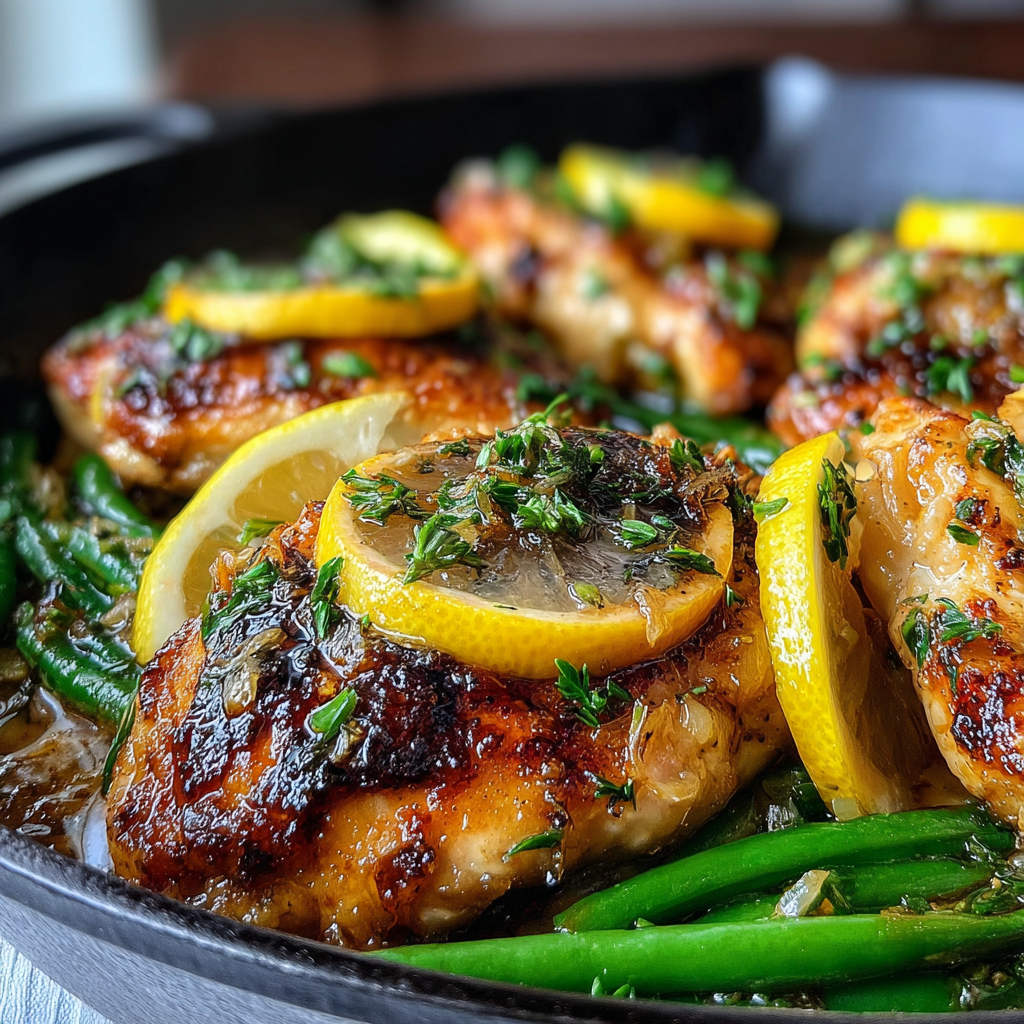
Quick One-Pan Lemon Garlic Chicken Delight
Ingredients
Method
- Season the chicken thighs with salt and pepper.
- Heat olive oil in a large skillet over medium-high heat.
- Sear the chicken thighs skin-side down until golden brown, about 5-7 minutes.
- Flip the chicken and add minced garlic to the pan, cooking for an additional 1-2 minutes.
- Add lemon juice, zest, and broth to the pan, scraping up any brown bits.
- Lower the heat and cover the pan, simmering for about 20 minutes until cooked through.
- Uncover the pan and let it simmer for another 5 minutes to thicken the sauce a bit.
- Garnish with fresh parsley before serving, and enjoy!
Notes
Additional serving suggestions: pair with a crisp salad, garlic bread, or roasted seasonal vegetables for balance.
For make-ahead, prep components separately and assemble just before heating to preserve texture.
Taste and adjust with acid (lemon/vinegar) and salt right at the end to wake up flavors.


