Introduction
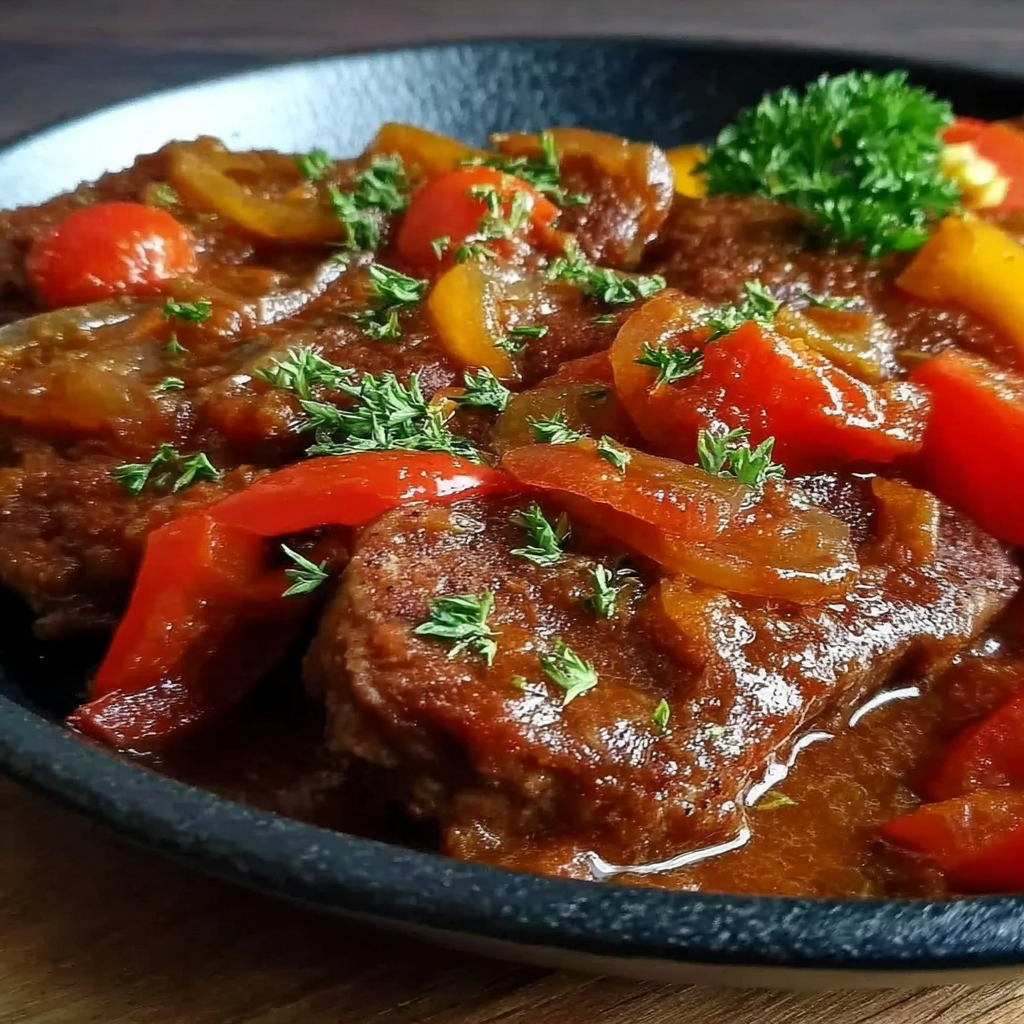
Swiss steak is a delightful vintage dish that brings comfort and warmth to any family dinner. Traditionally made with tougher cuts of beef, it's cooked slowly with vegetables and a savory sauce, transforming the meat into a tender, flavorful meal. This dish is a perfect example of how humble ingredients can come together to create something special on your table.
Its origins can be traced back to the early 20th century when frugality in the kitchen was a significant focus for families. The method of braising steak not only allows for a more economical choice of meat but also enhances the flavor profile dramatically. Join me as we explore this culinary classic that deserves a place in your home cooking repertoire.
Ingredients
- 2 pounds of round steak
Round steak is an affordable cut that benefits from slow cooking methods like braising. Its tough fibers break down during cooking, resulting in tender meat while absorbing the rich flavors of the sauce. - 1/4 cup all-purpose flour
Coating the steak in flour helps create a crust during searing, which enriches the dish's flavor. It also helps thicken the sauce as it simmers, providing a desirable texture. - 2 tablespoons vegetable oil
Vegetable oil is ideal for searing the meat, as it has a high smoke point. This ensures a good browning of the steak, which adds depth of flavor and color to the dish. - 1 large onion, sliced
Onions add sweetness and complexity to the flavor profile. As they cook down, they contribute to the sauce's richness and aroma, making the dish more inviting. - 2 cloves garlic, minced
Garlic provides a delightful savory note that enhances the overall flavor. It releases its essential oils during cooking, infusing the dish with its distinct aroma. - 1 cup beef broth
Beef broth is the base of the sauce that adds moisture and depth. It brings the rich meaty flavor that complements the steak beautifully, enriching the entire dish. - 1 can (15 ounces) diced tomatoes
Diced tomatoes introduce acidity and balance the richness of the beef. They also contribute a hearty texture and vibrant color to the meal. - 2 carrots, sliced
Carrots bring natural sweetness and a slight crunch. They cook down to provide additional flavor and nutrition, enhancing the dish's appeal. - 1 teaspoon dried thyme
Thyme is an aromatic herb that pairs well with beef. Its earthy flavor complements the savory elements of the dish and adds an aromatic quality as it cooks. - Salt and black pepper to taste
Salt and pepper are essential for enhancing the flavors in the dish. Proper seasoning balances the overall taste between the rich beef and the bright acidity of tomatoes.
Directions & Preparation
Step 1: Prep the steak by cutting it into serving-sized pieces and tenderizing with a meat mallet.
Cutting the steak into manageable pieces makes it easier to cook and serve. Tenderizing helps to break down the fibers in the meat, making it even more tender during the slow cooking process.
Step 2: Season the steak with salt and pepper, then coat each piece in flour, shaking off the excess.
Seasoning is critical to build flavor from the start. The flour coating not only adds texture during the searing but also acts as a thickening agent once the dish simmers.
Step 3: Heat the vegetable oil in a large skillet over medium-high heat.
Getting the oil hot allows for a proper sear on the steak. This step is crucial for developing a well-browned crust that contributes to the overall flavor palate of the dish.
Step 4: Sear the steak pieces in the hot oil until browned on both sides, then remove from the skillet.
Searing locks in juices and enhances the meat's flavor through the Maillard reaction. Once the steak is browned, it will return to the skillet later to absorb more flavors during simmering.
Step 5: Add the sliced onions and minced garlic to the skillet, sautéing until fragrant.
Sautéing the onions and garlic draws out their natural sweetness, creating a flavor base for the sauce. This step ensures that these aromatics release their essential oils, enriching the dish's aroma.
Step 6: Pour in the beef broth and scrape up any brown bits from the skillet, then stir in the diced tomatoes.
Deglazing with broth captures all the flavor from the searing process. It combines with the tomatoes to form a savory sauce that will meld beautifully with the steak as it cooks.
Step 7: Return the seared steak to the skillet, adding the sliced carrots and dried thyme.
Fishing the steak back into the liquid allows it to absorb the broth's flavors during cooking. The carrots add a healthy element and contribute their own sweetness to the dish.
Step 8: Cover the skillet and let simmer on low heat for 1.5 to 2 hours, or until the steak is tender.
Slow cooking adds depth of flavor and breaks down the collagen within the steak, resulting in a tender texture. The covered skillet retains moisture, allowing the flavors to concentrate.
Step 9: Taste the sauce and adjust seasoning with salt and pepper if needed before serving.
Final seasoning adjustments ensure that flavors are well-balanced. A taste test at this stage allows you to enhance the dish to your preference, ensuring a delicious end result.
Step 10: Serve hot, spooning the sauce and vegetables over the steak.
Presentation is key in home-cooked meals. Spoon the rich sauce and tender veggies over the steak to create an inviting dish that showcases the effort put into making this classic meal.

The Rich History of Swiss Steak
Swiss steak, with its roots in mid-20th-century American kitchens, exemplifies the soul of comfort food. It's named not after Switzerland but rather a cooking technique that includes 'swissing' or tenderizing the meat. This classic dish was created out of necessity, showcasing how tough cuts can transform into something delightful when prepared with care and creativity.
Variations to Explore
While the traditional recipe stands strong, there are numerous ways to customize Swiss steak to suit your palate. For a spicy kick, consider adding red pepper flakes or diced jalapeños. Alternatively, add seasonal vegetables like bell peppers or mushrooms for enhanced flavor and texture. Exploring these variations can encourage creativity in your cooking while keeping the essence of this classic intact.
Perfect Pairings for Swiss Steak
Swiss steak is a versatile dish that pairs beautifully with a range of sides. Classic accompaniments include creamy mashed potatoes or buttery egg noodles, which soak up the rich sauce. For a lighter option, serve it alongside steamed green beans or a crisp salad to balance the hearty flavors. Choosing the right pairings elevates the meal and caters to various tastes.
FAQs
What should I do if the sauce turns out too thin?
If the sauce is too thin, you can let it simmer uncovered for an additional 10-15 minutes to reduce and thicken. Alternatively, mix a little cornstarch with water and add it to the sauce, stirring until thickened.
Can I use a different cut of meat for Swiss steak?
Yes, you can use cuts like chuck roast or flank steak; just be aware these may change the cooking time and final tenderness of the dish. Each cut has unique qualities that can influence flavor.
What if I don’t have beef broth on hand?
In place of beef broth, you can use chicken or vegetable broth, albeit the flavor profile will subtly change. You could even use water, but it’s best to add seasonings to enhance the dish.
How can I tell if the steak is tender enough?
The steak is ready when it becomes fork-tender, meaning you should be able to easily shred it apart with a fork. If it’s still tough, allow it to simmer longer.
Can I double the recipe for a larger gathering?
Absolutely, just ensure that you have a large enough pot or skillet and adjust the cooking time as necessary. You may need to simmer it longer for even cooking.
What if my steak is tough after cooking?
If your steak remains tough, it may need a longer cooking time to fully break down the collagen fibers. Patience is key with tougher cuts. Just let it simmer until tender.
How can I boost the flavor of the sauce?
You can enhance the flavor by adding herbs like rosemary or bay leaves while it simmers. Additionally, a splash of Worcestershire sauce or red wine can elevate the richness.
Conclusion
Old-fashioned Swiss steak is not only a comforting dish but also a statement of how traditional cooking brings people together. The slow-cooked process deepens the flavors, making it a true labor of love that’s well worth the effort.
Whether you're preparing it for a weekday family meal or a special occasion, this tender, flavorful classic is sure to evoke smiles and satisfied appetites across the table. Enjoy the experience of creating and sharing this time-honored favorite!
Recipe Card
Notes
Additional serving suggestions: pair with a crisp salad, garlic bread, or roasted seasonal vegetables for balance.
For make-ahead, prep components separately and assemble just before heating to preserve texture.
Taste and adjust with acid (lemon/vinegar) and salt right at the end to wake up flavors.


