Introduction
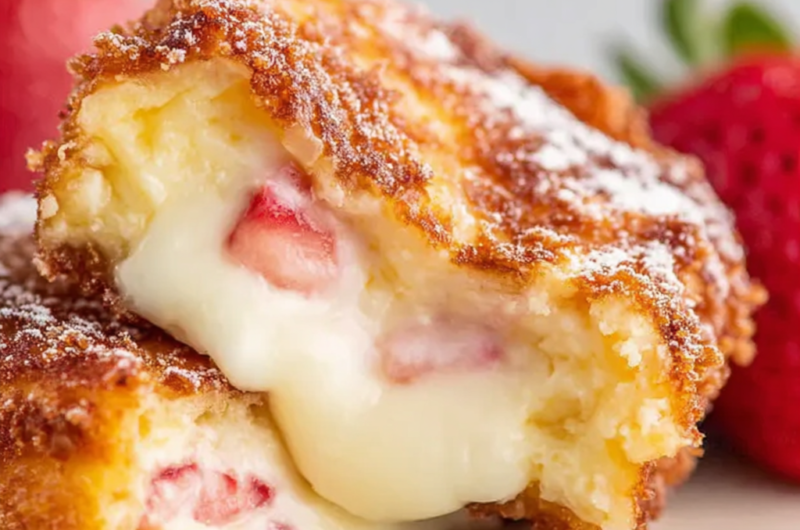
Deep fried cheesecake represents a decadent twist on a classic dessert, blending creamy textures with a crispy exterior. As the cheesecake melts against the fried layer, it creates an indulgence that's nothing short of extraordinary.
This delightful treat is perfect for special occasions or a weekend treat, sure to surprise your friends and family. With a few simple ingredients and preparation methods, you can create a stunning dessert that both impresses and satisfies.
Ingredients
- 8 ounces cream cheese
The star of the cheesecake, cream cheese brings a rich, smooth texture and tangy flavor that defines this dessert. It creates the creamy filling that contrasts beautifully with the crispy outer layer. - 1/2 cup granulated sugar
This sweetener balances the tanginess of the cream cheese, enhancing the overall flavor profile. Sugar is essential in achieving the right level of sweetness that complements the dessert. - 1 teaspoon vanilla extract
Vanilla adds warmth and depth to the cheesecake filling, elevating its flavor. It rounds out the sweetness while providing a comforting aroma during cooking. - 1 large egg
The egg acts as a binder in the filling, helping to maintain a cohesive texture. It contributes to the rich, creamy consistency necessary for an exceptional cheesecake. - 1 cup all-purpose flour
Flour forms the base for the fried coating, providing structure and crispiness when cooked. It absorbs moisture to create a crunchy shell around the creamy filling. - 1 cup milk
Milk is used both in the frying batter and can also soften the cheesecake mix, creating a silkier texture. Its moisture helps in forming a light, fluffy consistency. - 1 teaspoon baking powder
This leavening agent helps the batter rise slightly when fried, contributing to a lighter, airier outer layer. It ensures that the coating isn't too dense. - 1/2 teaspoon salt
Salt enhances all the flavors in the dessert, balancing sweetness and bringing out the richness of the cream cheese filling. - Vegetable oil for frying
Essential for frying, oil ensures even heat distribution and creates that irresistible crispy texture. The right temperature is vital for a perfectly golden crust. - Powdered sugar for dusting
Added just before serving, powdered sugar imparts a decorative touch and an extra hint of sweetness, making the dessert visually appealing.
Directions & Preparation
Step 1: Prepare the cheesecake filling by combining cream cheese, granulated sugar, vanilla extract, and egg.
Begin your journey by blending the cream cheese with sugar, vanilla, and the egg until smooth. This is a critical step as it ensures that the filling is creamy and well incorporated. Use a hand mixer for a light, airy mixture—this helps achieve that smooth cheesecake texture. Once blended, set it aside to firm slightly in the refrigerator for about 30 minutes.
Step 2: Shape the cheesecake filling into uniform balls.
After chilling, remove the filling and shape it into equal-sized balls—around 1-2 inches in diameter. Uniformity is key here for even cooking; all cheese balls should ideally be the same size to ensure they fry uniformly. Place these balls on a parchment-lined tray and return them to the fridge for more firming, which will help them hold their shape while frying.
Step 3: Prepare the batter by combining flour, milk, baking powder, and salt in a bowl.
In this step, whisk together the flour, baking powder, salt, and milk until you have a smooth batter with a pancake-like consistency. The batter acts as a protective layer around the cheesecake balls, so achieving the right consistency is vital; it shouldn't be too thin or too thick. Finding the right balance ensures that the fried shell becomes crisp without overwhelming the creamy filling.
Step 4: Heat vegetable oil in a deep pot or fryer until it reaches 350°F (175°C).
Temperature control is essential when frying. Use a thermometer to monitor the temperature of the oil; too cold, and the batter will absorb excess oil, too hot, and it will burn before cooking through. Maintaining a steady 350°F allows for achieving a beautiful golden-brown exterior without compromising the oozy filling inside.
Step 5: Dip each cheesecake ball into the batter and carefully lower it into the hot oil.
Coat each cheesecake ball thoroughly in the batter, allowing any excess to drip off. Lower them gently into the hot oil; this prevents spattering and maintains the oil temperature. As they fry, use a slotted spoon to turn them occasionally for even cooking, aiming for 2-3 minutes until golden brown. This is where the magic happens, turning your cheesecake into a delightful fried treat.
Step 6: Remove the balls from the oil and place them on paper towels to drain excess oil.
Once the cheesecake balls are golden brown, use a slotted spoon to transfer them to a plate lined with paper towels. This absorbs excess oil and helps them stay crisp. Let them cool for a moment; this not only improves the texture but also enhances the flavors as they set slightly.
Step 7: Dust with powdered sugar just before serving.
To finish off, serve these decadent delights warm, dusting them lightly with powdered sugar. This visual appeal adds an inviting touch as well as an extra layer of sweetness. Enjoy them immediately while the crispy exterior contrasts beautifully with the warm, gooey filling—it’s the perfect cheat day treat!

Choosing the Right Cream Cheese
For the best results, opt for high-quality cream cheese. Full-fat varieties yield the creamiest filling, while lower-fat options may result in a chalky texture. Avoid light cream cheese, as it can lack flavor and richness, crucial for a satisfying cheesecake experience.
Importance of Chilling
Chilling the cheesecake balls before frying is a crucial step that ensures they hold their shape during the cooking process. This firming up allows for a greater contrast between the crispy outer shell and the creamy inside, resulting in a delightful texture that’s essential for an enjoyable dessert.
Experimenting with Flavors
Don’t hesitate to add flavor variations to your cheesecake filling! A touch of lemon zest, chocolate chips, or even fruit purees can transform your typical cheesecake into a variety of decadent delights. Each flavor profile introduces a new dimension to this indulgent treat!
FAQs
Why is my batter too thick or too thin?
Adjusting the consistency can often be remedied by adding a bit more milk for thinness or a sprinkle of flour for thickness. Keep in mind that the batter should coat the cheesecake balls adequately without dripping excessively.
Can I substitute cream cheese with ricotta?
You can use ricotta as a substitute; however, keep in mind it has a different texture and flavor. Mix it with a bit of cream cheese or sour cream to enhance creaminess, ensuring it stays cohesive when frying.
How do I prevent the cheesecake from leaking during frying?
Ensure your cheesecake balls are well-chilled before frying, which aids in maintaining their shape. If leaking occurs, consider adding a bit more flour to your batter as a thicker coat can help.
What if my fried cheesecake turns out bland?
Taste your initial filling mix before shaping it into balls. Adjust the sweetness or flavors if necessary, as frying can sometimes mute flavors. A pinch more sugar or vanilla might be needed.
Is it possible to use a different oil for frying?
While vegetable oil is ideal due to its high smoke point, oils like canola or peanut can also work. Choose one that can withstand high temperatures for optimal frying results.
Can I use flavored cheesecake filling?
Absolutely! Flavored cream cheeses or adding extracts can enhance the taste of your fried cheesecake. Feel free to experiment for unique flavor combinations that cater to your taste.
Conclusion
Deep fried cheesecake offers an exciting twist on a beloved dessert that makes any occasion feel special. By following these guidelines, you're not just making a dish, but creating a culinary experience guaranteed to wow your guests.
Next time you're looking to make a dessert that's as thrilling to make as it is to eat, try deep frying your cheesecakes. It’s a fun, creative way to showcase the classic dessert in a whole new form!
Recipe Card

Nourishing Ground Beef and Broccoli Fried Quinoa
Ingredients
Method
- Cook the quinoa.
- Prepare the broccoli.
- Cook the ground beef.
- Add garlic and seasonings.
- Combine the quinoa and broccoli.
- Finish with green onions.
- Serve hot.
Notes
Additional serving suggestions: pair with a crisp salad, garlic bread, or roasted seasonal vegetables for balance.
For make-ahead, prep components separately and assemble just before heating to preserve texture.
Taste and adjust with acid (lemon/vinegar) and salt right at the end to wake up flavors.


