Introduction
A succulent steak paired with a rich and creamy garlic sauce makes for an impressive yet straightforward dinner. This dish is perfect for both special occasions and casual weeknight meals, allowing home cooks to delight their families and guests alike. The juicy texture of the steak combined with the bold flavors of garlic makes for a dining experience that tantalizes the palate.
Not only does this recipe shine with flavor, but it's also easy to prepare. With minimal ingredients and straightforward techniques, even beginners can create a gourmet meal right in their own kitchen. Follow along, and you’ll see that elevating your cooking does not require a culinary degree, just a little patience and excitement to learn.
Ingredients
- 2 ribeye steaks (1 inch thick)
Ribeye is known for its marbling and tenderness, delivering rich flavors and juiciness. Choosing steaks around 1 inch thick ensures a nice sear while keeping the inside beautifully medium-rare. - 2 tablespoons olive oil
Olive oil is not only a healthy fat, but it also aids in creating a perfect crust on the steak. Its high smoke point makes it ideal for searing at high temperatures without burning. - 4 cloves garlic, minced
Garlic infuses the sauce with a warm, aromatic flavor that complements the richness of the steak. Properly mincing the garlic ensures even distribution and enhances the overall taste. - 1 cup heavy cream
Heavy cream brings a luxurious creaminess to the sauce, creating a smooth texture that coats the steak beautifully. It's essential for balancing flavors and adds a satisfying richness. - 1 tablespoon Dijon mustard
Dijon mustard adds a hint of acidity and complexity to the sauce. It enhances the flavor profile by cutting through the richness and providing a sophisticated depth. - Salt and pepper, to taste
Seasoning the steak with salt and pepper brings out its natural flavors. Proper salting at the right time is crucial for achieving a well-balanced dish. - Fresh parsley, chopped (for garnish)
Chopped parsley is more than just a garnish; it delivers a fresh burst of flavor and color. It enhances the presentation and adds a touch of brightness to the rich dish.
Directions & Preparation
Step 1: Season the steaks with salt and pepper on both sides.
Seasoning is one of the most critical steps for any steak. By applying salt and pepper generously, you enhance the steak's natural flavors. Let the steaks sit at room temperature for about 30 minutes after seasoning; this allows for a more evenly cooked final product.
Step 2: Heat olive oil in a skillet over medium-high heat.
Heating the skillet correctly is essential for achieving that beautiful sear you crave. Ensure the oil is shimmering before adding the steaks, which indicates that the skillet is hot enough to lock in juices and create a tasty crust.
Step 3: Sear the steaks for 4-5 minutes on each side for medium-rare.
The searing process is crucial; it caramelizes the meat's surface. Relentlessly resist the urge to flip the steak too soon; give it enough time to develop a good crust. For medium-rare, aim for an internal temperature of about 130°F (54°C) when checking with a meat thermometer.
Step 4: Remove the steaks and let them rest.
Resting is a key stage that lets the juices redistribute throughout the steak, ensuring each bite is juicy. Cover the steaks loosely with foil and let them rest for at least 5-10 minutes, retaining warmth while preparing the sauce.
Step 5: In the same skillet, add minced garlic and sauté for 1-2 minutes.
Using the steak drippings to sauté garlic adds depth to the sauce, infusing it with robust flavors. Stir constantly to avoid burning the garlic, as it can turn bitter if overcooked, and you'll want a fragrant aroma wafting through the kitchen.
Step 6: Pour in the heavy cream and stir to combine.
Adding cream to the skillet transforms the drippings and garlic into a rich, delectable sauce. As it warms, the cream thickens slightly; ensure consistent stirring to blend all components thoroughly for a smooth texture.
Step 7: Add Dijon mustard and season with salt and pepper.
Incorporating Dijon mustard elevates the sauce, contributing a tangy richness that balances the cream. Adjust the seasoning with salt and pepper, tasting as you go to achieve preferred flavors while folding in the mustard.
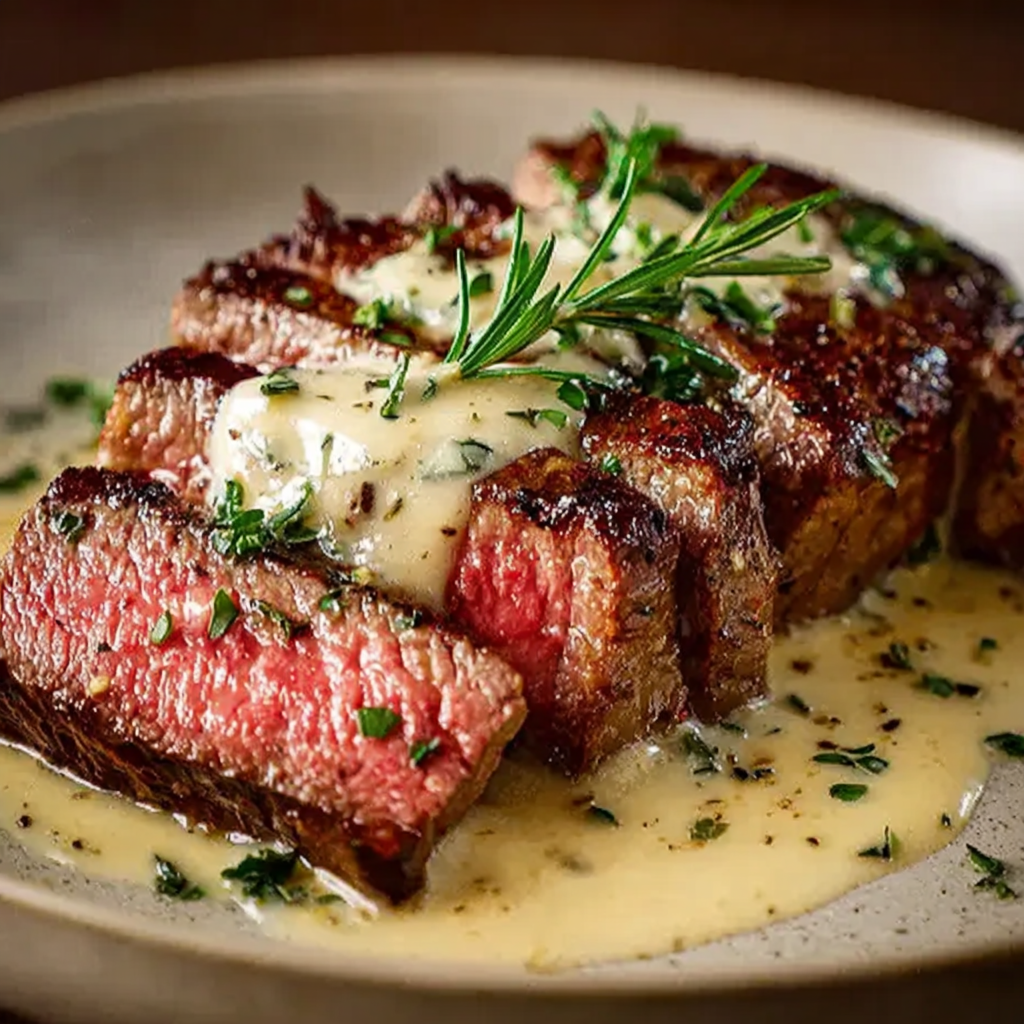
Step 8: Serve the steak topped with creamy garlic sauce and garnish with parsley.
The final presentation is as important as flavor. Place the resting steak on a plate, generously drizzle with creamy garlic sauce, and finish with freshly chopped parsley for a vibrant touch. A beautifully plated dish elevates the dining experience.

Choosing the Right Cut of Steak
When preparing this dish, selecting the perfect cut of steak is paramount. Ribeye steaks are an excellent choice due to their marbling, which renders them tender and flavorful when cooked. However, you may also opt for filet mignon or sirloin for a different taste experience. Whatever cut you choose, ensure it has some fat for flavor and remains around one inch thick for ideal cooking.
The Importance of Resting Meat
Resting your steak post-cooking is a vital step often overlooked by home cooks. Allowing the meat to rest enhances juiciness, as it gives the muscle fibers time to relax and reabsorb the juices. This simple but critical step means that when you cut into the steak, you won’t end up with a plate full of juices, ensuring a succulent bite every time.
Customizing Your Creamy Sauce
This creamy garlic sauce can serve as a canvas for further customization. Consider adding fresh herbs like thyme or rosemary for additional aromatic layers, or spice it up with a pinch of red pepper flakes for a warm kick. By adjusting the sauce to your taste, you personalize the dining experience, making it uniquely yours.
FAQs
What can I do if my sauce is too thick?
If your sauce is too thick, simply thin it with a splash of chicken or beef broth. Stir it in gradually until you reach the desired consistency.
Can I use a different type of steak?
Yes, while ribeye is recommended, you can substitute with cuts like sirloin or filet mignon, keeping in mind the cooking times may vary slightly based on thickness.
What should I do if the garlic sauce is bland?
To enhance flavor, consider adding more garlic, a squeeze of lemon for acidity, or increasing the amount of Dijon mustard. Taste before serving and adjust accordingly.
How can I tell if my steak is overcooked?
An overcooked steak lacks juiciness and can feel very firm to the touch. Use a meat thermometer for accuracy; medium-rare should register around 130°F (54°C).
Can I incorporate other ingredients into the creamy sauce?
Absolutely! Feel free to add sautéed mushrooms or spinach for variation. You can also experiment with cheese, like Parmesan, to give added depth and richness.
How do I get a good sear on my steak?
A good sear requires a hot pan and dry meat. Pat your steak dry with paper towels, and make sure your oil is hot before placing the steak in, for that perfect golden crust.
Conclusion
Creating a juicy steak with creamy garlic sauce is achievable for any home cook. With just a few ingredients and straightforward techniques, you can impress your family or guests. The wonderful blend of savory, creamy, and aromatic flavors will leave everyone satisfied and eager for more.
Embark on this culinary adventure with confidence. Remember, cooking is not just about following recipes; it's about experimenting and finding joy in the process. Enjoy every bite and the satisfaction of having crafted an elegant meal at home.
Recipe Card
Notes
Additional serving suggestions: pair with a crisp salad, garlic bread, or roasted seasonal vegetables for balance.
For make-ahead, prep components separately and assemble just before heating to preserve texture.
Taste and adjust with acid (lemon/vinegar) and salt right at the end to wake up flavors.


