Introduction
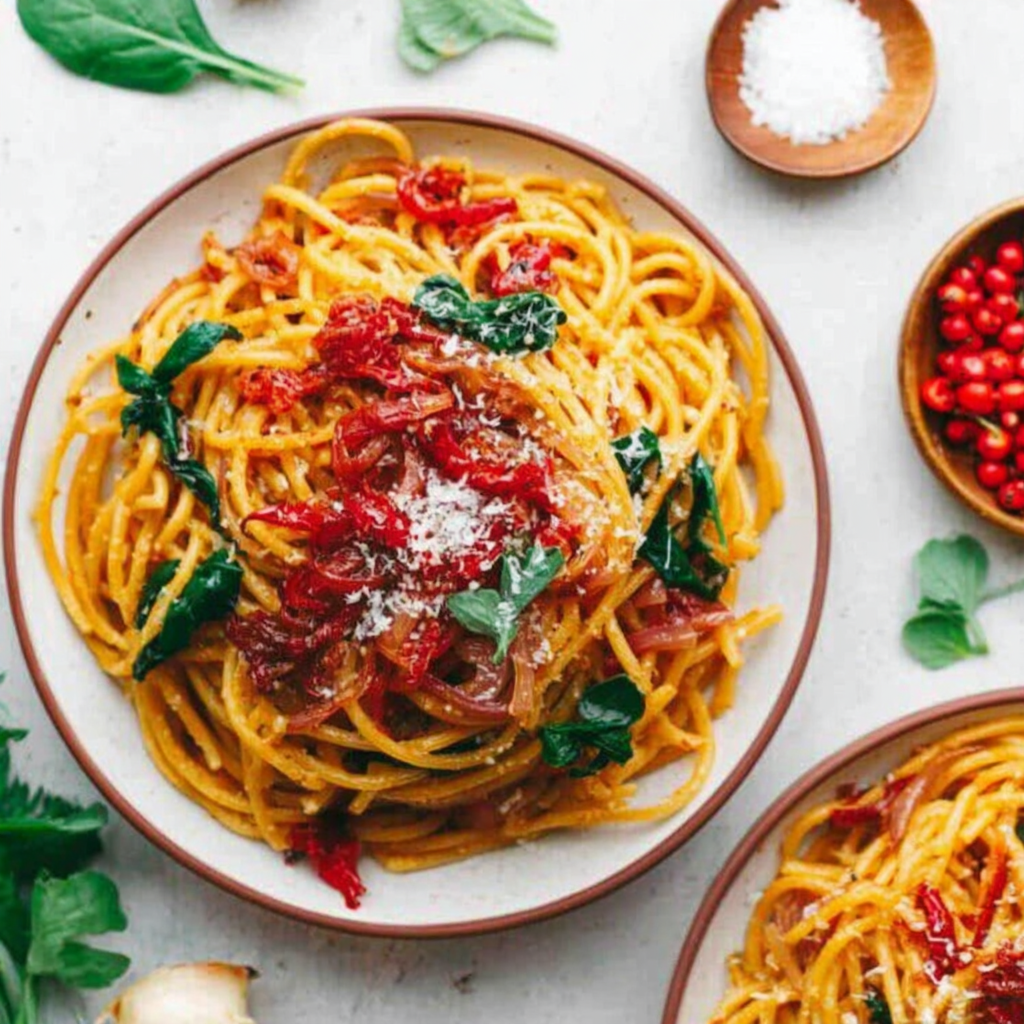
Caramelized Shallot Pasta is an exquisite dish that embodies the beauty of simplicity in home cooking. The sweet, rich flavor of caramelized shallots transforms this pasta into a gourmet experience, perfect for any occasion.
This dish highlights the synergy between caramelized shallots and al dente pasta, creating a delightful blend of textures and flavors. With just a handful of ingredients, you can create something truly special that impresses both family and friends.
Whether you’re looking for a quick weeknight meal or a dish to serve at a dinner party, Caramelized Shallot Pasta is versatile and satisfying. Let’s explore the ingredients that bring this dish to life and the method to make it truly unforgettable.
Ingredients
- 400g fettuccine
Fettuccine, with its broad, flat strands, provides a hearty base for the dish, allowing the caramelized shallots to cling beautifully. The pasta’s texture complements the richness of the sauce, making each bite a delightful experience. - 4 large shallots
Shallots offer a complex sweetness that is enhanced through caramelization. Their unique flavor elevates the overall taste of the dish, providing depth and a slightly sophisticated profile compared to regular onions. - 2 tablespoons olive oil
Olive oil acts as a base for cooking the shallots, promoting even caramelization while adding its own fruity flavor. It also helps to coat the pasta, ensuring that every strand is infused with taste. - 1 teaspoon fresh thyme leaves
Thyme adds a fragrant herbal note that balances the sweetness of the caramelized shallots. Its earthy undertones elevate the dish, making it aromatic and inviting. - Salt, to taste
Salt is essential for enhancing flavors in cooking. It helps to draw out the natural sweetness in the shallots while also seasoning the pasta to make every element of the dish more pronounced. - Freshly cracked black pepper, to taste
Black pepper adds a subtle heat that contrasts with the sweet shallots, providing a harmonious balance. A sprinkle of pepper also uplifts the overall flavor profile without overpowering the dish. - Parmesan cheese, for serving
Parmesan cheese introduces a salty, umami characteristic that complements the sweetness of the shallots and ties everything together beautifully. Grated on top before serving, it adds richness and visual appeal.
Directions & Preparation
Step 1: Cook the fettuccine according to the package instructions.
Start by bringing a large pot of salted water to a rolling boil. Cooking the fettuccine to al dente is crucial; it should be tender yet firm to the bite. This ensures that the pasta holds up well against the caramelized shallots without becoming mushy.
Step 2: Prepare the shallots by slicing them thinly.
Thinly slicing the shallots allows for even caramelization. When cut properly, they will soften quickly and develop a rich, golden-brown color, releasing their natural sugars to enhance the dish's overall sweetness.
Step 3: Heat olive oil in a pan over medium heat and add the sliced shallots.
Heating the olive oil allows it to reach the right temperature for sautéing. Adding the shallots once the oil is hot maximizes their caramelization, leading to beautifully browned pieces that are both sweet and flavorful.
Step 4: Caramelize the shallots, stirring occasionally, for about 15-20 minutes.
This step is critical. Stirring occasionally prevents the shallots from burning while allowing them to cook slowly. The key indicator is their caramel color and sweet aroma, which signal they are ready to combine with the pasta.
Step 5: Add fresh thyme and season with salt and pepper.
Incorporating thyme at the end of the caramelization process allows its flavor to infuse without losing its delicate aroma. Seasoning with salt and pepper at this stage enhances the caramelized shallots, ensuring they're perfectly balanced.
Step 6: Combine the cooked fettuccine with the caramelized shallots in the pan.
This step allows the pasta to absorb the flavors from the shallots. Tossing them together in the pan with the residual heat helps the fettuccine to pick up the sweetness and aromatic qualities, creating a cohesive dish.
Step 7: Serve with freshly grated Parmesan cheese on top.
Finishing the dish with Parmesan adds richness and enhances the overall flavor. Grating it directly over the warm pasta ensures it melts slightly, infusing the dish with its savory profile while making it look inviting.

The Art of Caramelizing Shallots
Caramelizing shallots might seem daunting, but it is truly an art that brings out their natural sweetness. The process requires patience and the right heat management. Cooking them slowly allows their sugars to caramelize properly, resulting in a deep, rich flavor that transforms any dish. Keep an eye on them to avoid burning, and you'll achieve that beautiful golden hue.
Balancing Flavors with Herbs
Adding fresh herbs like thyme can elevate your Caramelized Shallot Pasta significantly. The right herbs provide a contrast that brightens the dish, adding complexity without overwhelming the sweet shallots. Experimenting with different herbs can lead you to discover your perfect flavor balance, enhancing your culinary repertoire.
Choosing the Perfect Pasta
While fettuccine works wonderfully for this dish, consider the characteristics of different pastas. The broader surface area of fettuccine is ideal for holding onto the caramelized shallots. However, you can experiment with other types such as pappardelle or even whole grain pasta, each bringing a new texture and flavor dynamics to the table.
FAQs
What can I do if the shallots burn during cooking?
If the shallots burn, it's likely due to cooking at too high a heat or not stirring enough. Reduce the heat and add a splash of water or broth to deglaze the pan and add flavor without sticking.
Can I scale this recipe to serve more people?
Absolutely! Simply increase the quantities of each ingredient proportionally. Make sure to use a larger pot for cooking the pasta and smaller pans for caramelization if you're cooking in batches.
What should I do if my pasta becomes too thick and clumpy?
If your pasta does get thick after cooking, add a splash of reserved pasta water while mixing. This will help loosen the sauce and ensure the pasta remains coated without clumping together.
How can I add more depth to the flavor of the dish?
Consider adding a splash of white wine while the shallots are cooking. This can enhance the flavor profile with acidity and complexity, balancing the sweetness of the caramelized shallots.
What alternatives can I use instead of fettuccine?
If fettuccine isn't available, try linguine or spaghetti. These similar pasta shapes will work just as well and provide a delightful eating experience, though you may want to adjust cooking times slightly.
How can I make the pasta richer without adding too much cheese?
To enhance the richness, consider adding a tablespoon of butter after combining the pasta and shallots. This will add a creamy texture and depth without needing to rely solely on cheese.
Conclusion
Incorporating caramelized shallots into your pasta takes a humble dish to new heights, offering complex flavors and an inviting aroma that fills your kitchen. This simple recipe not only showcases the elegance of shallots but also allows for creativity through various adaptations.
With this Caramelized Shallot Pasta, you have a versatile dish that’s quick enough for a weeknight yet sophisticated enough to impress your guests. Embrace the approach of using fresh, quality ingredients, and enjoy the wonderful flavors that come together in this delightful pasta dish.
Recipe Card
Notes
Additional serving suggestions: pair with a crisp salad, garlic bread, or roasted seasonal vegetables for balance.
For make-ahead, prep components separately and assemble just before heating to preserve texture.
Taste and adjust with acid (lemon/vinegar) and salt right at the end to wake up flavors.


