Introduction
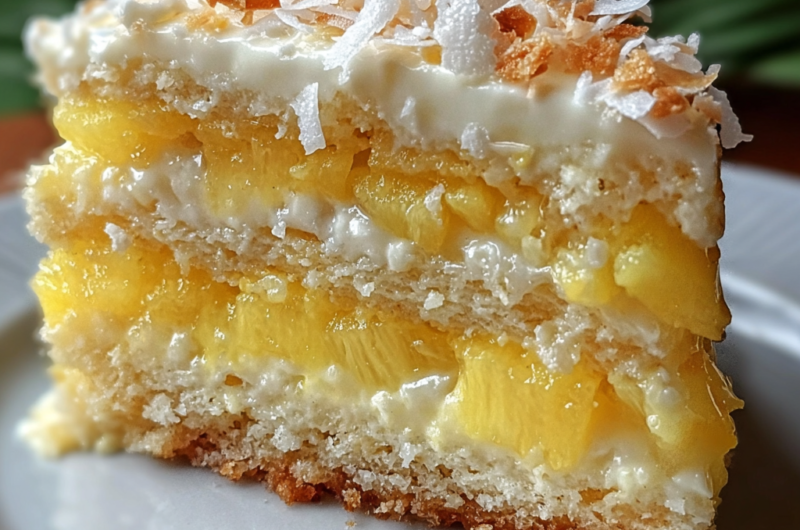
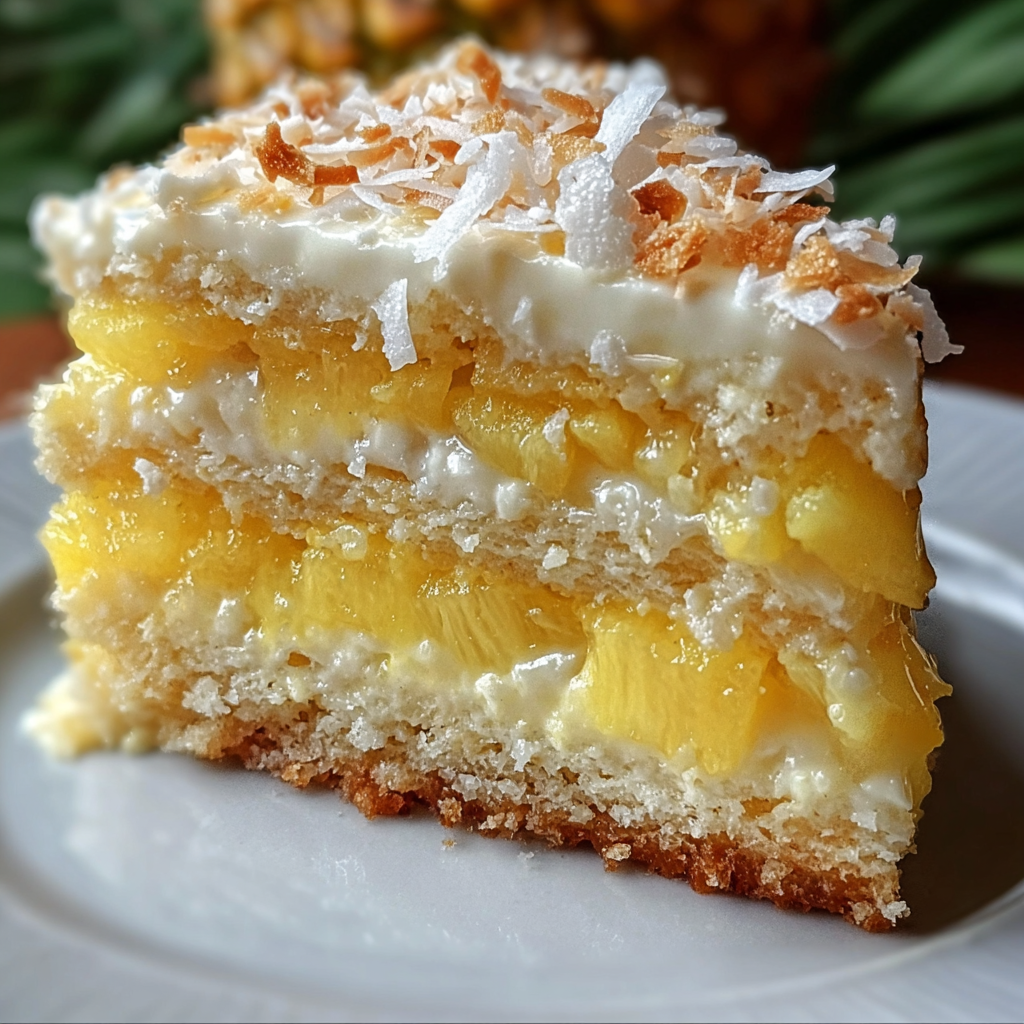
Brace yourself for a tropical escape with this luscious pineapple and coconut cake. This dessert beckons with its moist layers, an exuberant blend of sweet pineapple and the rich, creamy essence of coconut. Ideal for celebrations or simply to elevate your afternoon tea, every slice invites a taste of sunshine.
Crafting a pineapple and coconut cake at home can seem daunting, but this recipe breaks it down into manageable steps. The combination of fresh ingredients creates a cake that delights both the eyes and the palate. You'll be rewarded with an impressive treat that embodies the essence of summer.
Ingredients
- 2 cups all-purpose flour
Flour provides the structure of the cake, giving it stability and texture. The right type of flour allows for the perfect rise, ensuring the cake is light yet supportive. - 1 cup granulated sugar
Sugar enhances sweetness, balancing the tartness of the pineapple. It also contributes to the cake's moistness and browning during baking. - 1/2 cup unsalted butter, softened
Butter enriches the flavor and moisture of the cake. It also helps achieve a tender crumb, as fat coats some of the flour, reducing gluten formation. - 1 cup crushed pineapple, drained
Pineapple adds natural sweetness and moisture, infusing the cake with flavor. Its acidity also helps to activate the baking powder, contributing to the cake's lift. - 1/2 cup shredded coconut, unsweetened
Coconut provides texture and a rich, tropical flavor. Its chewyness complements the cake’s softness, creating a delightful contrast. - 3 large eggs
Eggs act as a binding agent, helping to hold the ingredients together while adding richness. They also provide structure and moisture, contributing to the cake’s overall texture. - 1 teaspoon baking powder
Baking powder is a leavening agent that helps the cake rise. It creates bubbles in the batter that make the cake light and fluffy. - 1/2 teaspoon salt
Salt balances the sweetness and enhances overall flavor. It also strengthens the dough by tightening proteins, which contributes to the cake's structure. - 1 teaspoon vanilla extract
Vanilla adds a warm undertone that enhances all other flavors. It harmonizes the sweet and tropical notes of the pineapple and coconut. - 1/2 cup coconut milk
Coconut milk brings moisture and a rich coconut flavor, deepening the tropical taste of the cake. It also helps to keep the cake moist after baking.
Directions & Preparation
Step 1: Preheat your oven to 350°F (175°C) and prepare your cake pans.
Preheating the oven is crucial for even baking. If the oven isn't hot enough when you put the cake in, it might not rise properly. Preparing your pans with parchment paper or greasing them will prevent sticking, ensuring a smooth release.
Step 2: In a large mixing bowl, cream the softened butter and sugar together until light and fluffy.
Creaming the butter and sugar incorporates air into the mixture, giving the cake a light texture. Aim for a pale and fluffy consistency, as this indicates enough air has been incorporated.
Step 3: Add the eggs one at a time, mixing well after each addition.
Adding eggs slowly helps to maintain the emulsification of fats and water, which improves the cake’s structure. A well-integrated egg mixture also contributes to a uniform crumb.
Step 4: Mix in the crushed pineapple and coconut milk, stirring until just combined.
Incorporating the wet ingredients helps to hydrate the dry ingredients, important for achieving the right consistency. Be careful not to over-mix at this stage, as it may toughen the cake.
Step 5: In another bowl, whisk together the flour, baking powder, and salt.
Whisking the dry ingredients ensures they are evenly distributed throughout the batter. This step helps to prevent clumping and ensures an even rise.
Step 6: Gradually add the dry ingredients to the wet ingredients, mixing until just blended.
This gradual addition maintains the lightness of the batter and prevents over-mixing. It's crucial that no streaks of flour remain, but it's okay if the batter is slightly lumpy.
Step 7: Fold in the shredded coconut and vanilla extract.
Folding gently integrates the shredded coconut without deflating the batter, keeping the cake light. The vanilla enhances the flavors, blending seamlessly into the batter.
Step 8: Divide the batter evenly between the prepared cake pans and smooth the tops with a spatula.
Ensuring that the batter is evenly divided prevents uneven baking. A smooth top allows for an even rise and provides a nice surface for frosting later.
Step 9: Bake in the preheated oven for 25-30 minutes, or until a toothpick inserted in the center comes out clean.
Baking time is crucial for texture. Begin checking around 25 minutes to avoid over-baking, which can dry out the cake. The toothpick test ensures your cake has set correctly.
Step 10: Let the cakes cool in the pans for 10 minutes before transferring them to a wire rack.
Cooling in the pans helps them set, making them less likely to crumble when transferred. The wire rack allows for even cooling, preventing a soggy base.
Step 11: Once cooled, frost with your favorite icing or serve plain with a dusting of powdered sugar.
Frosting can add additional moistness and flavor, while a simple dusting keeps it light. Choose icing flavors like cream cheese or coconut for a harmonious pairing.

Choosing Fresh Ingredients
The quality of ingredients plays a significant role in the flavor of your pineapple and coconut cake. Opt for fresh, ripe pineapple for a punch of flavor, and use high-quality, unsweetened coconut for true coconut essence. This will ensure that your cake not only tastes good but also has a fresh, vibrant appearance.
Layering Flavors with Frosting
Experimenting with various frostings can elevate your cake to new heights. A cream cheese frosting offers a delightful tang that balances the sweetness, while a simple coconut milk glaze enhances the tropical feel. You might even consider a pineapple soak to drizzle between the layers, infusing the cake with extra moisture and flavor.
Perfecting Texture with Coconut Variants
The texture of your cake can be tweaked by adjusting the type of coconut used. Unsweetened shredded coconut offers a chewy component, while coconut cream can enhance richness. If you're feeling adventurous, consider using coconut flour for a gluten-free version, although this may slightly change the cake's density.
FAQs
What if my batter is too thick?
If the batter seems too thick, you can stir in a tablespoon of coconut milk at a time until it reaches a pourable consistency. Be cautious not to add too much, as it might alter the cake’s structure.
How can I reduce the sweetness of the cake?
To balance the sweetness, consider reducing the amount of sugar by a quarter and increasing the unsweetened coconut slightly. You can also add a touch of citrus like lemon or lime juice.
My cake turned out dry; what went wrong?
A dry cake may result from overbaking or using too much flour. Ensure you measure flour correctly by spooning it into the measuring cup without packing it down. Always keep a close watch on baking time.
Can I use fresh pineapple instead of canned?
Yes, fresh pineapple can be used, but make sure to finely chop it and drain excess juice to maintain the right moisture balance.
What if the cake sinks in the middle?
A sinking cake typically indicates underbaking or too much moisture. Make sure to bake until the toothpick comes out clean and avoid excessive liquid in the batter.
Can I make mini cakes with this recipe?
Absolutely! Simply adjust the baking time, checking for doneness after 15-20 minutes depending on the size of the pans you choose.
Conclusion
Crafting a pineapple and coconut cake is a rewarding experience that celebrates tropical flavors. The combination of textures from the moist cake to the chewy coconut is truly irresistible.
Whether served at a gathering or enjoyed on a quiet afternoon, each bite is a reminder of sunny shores. Embrace the joy of baking and share this delightful creation with loved ones.
Recipe Card
Delightful Pineapple and Coconut Cake Recipe
Ingredients
Method
- Preheat your oven to 350°F (175°C) and prepare your cake pans.
- In a large mixing bowl, cream the softened butter and sugar together until light and fluffy.
- Add the eggs one at a time, mixing well after each addition.
- Mix in the crushed pineapple and coconut milk, stirring until just combined.
- In another bowl, whisk together the flour, baking powder, and salt.
- Gradually add the dry ingredients to the wet ingredients, mixing until just blended.
- Fold in the shredded coconut and vanilla extract.
- Divide the batter evenly between the prepared cake pans and smooth the tops with a spatula.
- Bake in the preheated oven for 25-30 minutes, or until a toothpick inserted in the center comes out clean.
- Let the cakes cool in the pans for 10 minutes before transferring them to a wire rack.
- Once cooled, frost with your favorite icing or serve plain with a dusting of powdered sugar.
Notes
Additional serving suggestions: pair with a crisp salad, garlic bread, or roasted seasonal vegetables for balance.
For make-ahead, prep components separately and assemble just before heating to preserve texture.
Taste and adjust with acid (lemon/vinegar) and salt right at the end to wake up flavors.


