Introduction
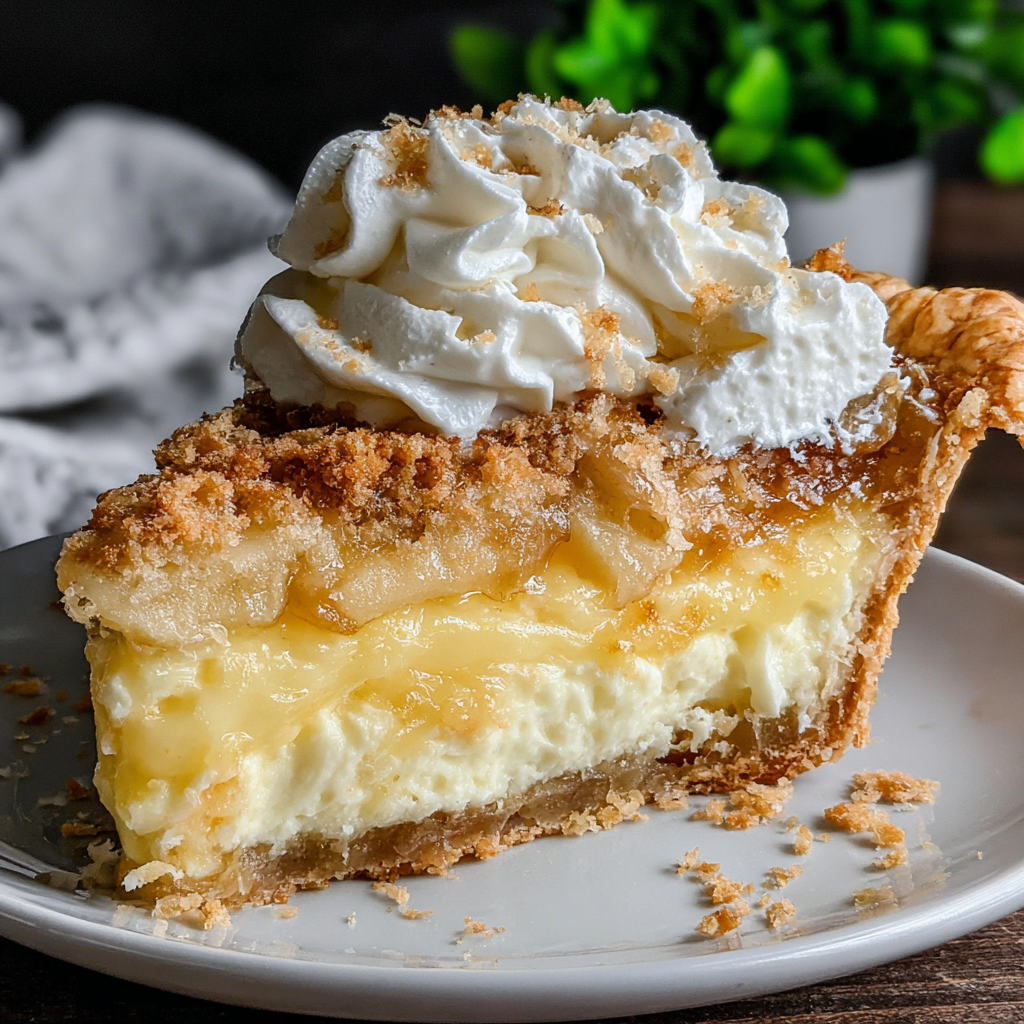
Apple buttermilk custard pie is a delightful dessert that balances the tartness of apples with the creamy richness of custard. This pie is a must-try for those who appreciate the warming flavors of fall in every bite.
The buttermilk lends a subtle tang, enhancing the custard's smoothness, while the apples provide a burst of freshness and texture. Perfect for family gatherings or as a cozy treat at home, this pie is both comforting and elegant.
As you embark on making this recipe, be prepared to engage your senses as the ingredients come together to create a dish that’s not only delicious but also beautifully aromatic.
Ingredients
- 1 ½ cups all-purpose flour
The foundation of the crust, all-purpose flour provides structure and stability to your pie. It helps create a flaky texture that complements the creamy custard filling. - ½ cup unsalted butter, chilled and diced
Butter adds richness and flavor to the crust, while its cold temperature helps achieve a flaky texture. The combination of fat and flour creates a perfect pie base. - ¼ cup granulated sugar
Sugar sweetens the crust and enhances the flavor of the pie. It also aids in browning, giving the crust a beautiful golden color. - 1/4 teaspoon salt
Salt balances the sweetness and enhances the overall flavor of the crust. It ensures your pie has the right taste and consistency. - 1/4 to 1/2 cup cold water
Cold water helps bind the crumbly mixture together without melting the butter, maintaining the flakiness of the crust. Adjusting the amount allows you to achieve the perfect dough consistency. - 3 cups peeled and chopped apples (like Granny Smith)
The star of the pie, apples provide natural sweetness and tartness. Granny Smith apples are ideal for their firm texture and tart flavor, which balances beautifully with the custard. - 1 cup buttermilk
Buttermilk contributes a unique tanginess and creamy texture to the custard. Its acidity helps tenderize and bind the filling, creating a luscious finish. - 3 large eggs
Eggs serve as the primary binding agent in the custard filling, providing structure and richness. They also contribute to the custard's smoothness as they cook. - 1 teaspoon vanilla extract
Vanilla enhances the flavor profile of the pie, adding warmth and depth to the custard filling. It's a crucial element that rounds out the overall taste. - 1 teaspoon ground cinnamon
Cinnamon adds warmth and aromatic qualities to the filling, perfectly complementing the apples. It evokes comforting associations, enhancing the taste experience. - 1/4 teaspoon nutmeg
Nutmeg provides a subtle warmth and complexity to the pie, enhancing the cozy flavor profile. It's a classic spice that works harmoniously with apple desserts. - 1 tablespoon lemon juice
Lemon juice brightens the flavors of the apples and prevents browning. It adds a hint of acidity that balances the sweetness of the pie.
Directions & Preparation
Step 1: Prepare the crust by mixing flour, salt, and sugar.
In a large mixing bowl, whisk together the flour, salt, and sugar. This mixture is essential for your pie crust, ensuring that the dry ingredients are evenly distributed. The sugar adds a hint of sweetness while the salt balances the flavor, setting the stage for a delicious crust.
Step 2: Cut in the chilled butter until the mixture resembles coarse crumbs.
Using a pastry cutter or your fingers, incorporate the chilled butter into the flour mixture until it looks like coarse breadcrumbs. This step is crucial for creating a flaky texture. Make sure the butter remains cold; if it warms up, the crust might become tough instead of tender.
Step 3: Gradually add cold water, mixing until the dough forms.
Add cold water one tablespoon at a time, mixing gently with a fork. The goal is to hydrate the flour just enough for the dough to come together without becoming sticky. If you add too much water, your crust may be tough, so proceed slowly.
Step 4: Shape the dough into a disk, wrap in plastic, and chill.
Form the dough into a disk, wrap it in plastic wrap, and refrigerate for at least 30 minutes. Chilling allows the gluten to relax, making the dough easier to roll out later. It also keeps the butter cold, which is vital for a flaky texture.
Step 5: Preheat the oven to 375°F (190°C).
Preheating the oven ensures that your pie bakes evenly. Starting the pie in a properly heated oven helps create a well-cooked crust that is golden and flaky while the filling sets perfectly.
Step 6: Roll out the chilled dough and fit it into a pie dish.
On a lightly floured surface, roll out your chilled dough into a circle about 1/8-inch thick. Transfer it to a pie dish, smoothing the dough into the edges. Taking care not to stretch the dough is essential; it's key to maintaining structure.
Step 7: Fill the crust with chopped apples mixed with lemon juice.
In a mixing bowl, combine the chopped apples and lemon juice, tossing to coat. This step helps to prevent the apples from browning, preserving their vibrant color and ensuring a fresh taste in each bite. Arrange the apples evenly in the pie crust, layering them for even cooking.
Step 8: In another bowl, whisk together buttermilk, eggs, vanilla, sugar, cinnamon, nutmeg, and salt.
In a separate bowl, whisk the buttermilk with eggs until fully combined, then add the vanilla, sugar, cinnamon, nutmeg, and salt. This custard mixture will envelop your apples, creating a creamy filling. The spices enhance the custard's flavor, reflecting the warmth of the pie.
Step 9: Pour the custard mixture over the apples in the pie crust.
Carefully pour the custard mixture over the arranged apples, ensuring they are evenly coated. This step is crucial for merging the flavors and textures of the pie, allowing the liquid to seep into the apples as it bakes, creating a luscious filling.
Step 10: Bake the pie for 45-50 minutes, or until the custard is set.
Place the pie in the preheated oven and bake until the filling is slightly puffed and set, usually about 45-50 minutes. You’ll know it’s done when the custard no longer jiggles but is still slightly soft in the center. Keep an eye on the crust to prevent over-browning.
Step 11: Allow the pie to cool before serving.
Once baked, let the pie cool on a rack for at least 30 minutes. Cooling is essential as it allows the custard to fully set, making it easier to slice. This also enhances the flavor as the ingredients meld together during cooling.

Choosing the Right Apples for Your Pie
When it comes to making apple pie, the choice of apples is crucial. Opt for firm, tart varieties like Granny Smith, Honeycrisp, or Braeburn. These apples hold their shape during baking and provide a perfect balance of sweetness and acidity, ensuring your pie isn't overly sweet and has a satisfying bite.
The Importance of Chilling the Dough
Chilling your pie dough is not just a suggestion; it significantly affects the final texture of your crust. By allowing the dough to rest in the fridge, the relaxed gluten makes it less elastic, preventing it from shrinking while baking. Additionally, keeping the butter cold ensures a flaky, airy texture.
Serving Suggestions for Your Custard Pie
Apple buttermilk custard pie pairs wonderfully with a variety of accompaniments. Consider serving it with a dollop of fresh whipped cream or a scoop of vanilla ice cream for added decadence. A sprinkle of cinnamon on top can enhance the pie's warmth, while a drizzle of caramel sauce can introduce an extra layer of indulgence.
FAQs
What thickness should my pie crust be?
Aim for about 1/8 inch thickness when rolling out your pie dough. This ensures a sturdy yet flaky crust.
What if my custard filling doesn't set?
If the custard is undercooked, it will remain jiggly. You may need to bake longer, checking every five minutes until set.
Can I reduce the sugar in the filling?
Yes, you can reduce the sugar according to your taste preference, but keep in mind this may affect the overall balance of flavors.
Why is my crust too tough?
If your crust is tough, it may be due to overworking the dough or using warm butter. Aim for minimal mixing and ensure butter stays chilled.
What can I do if I have leftover custard mixture?
If you have leftover custard, you can bake it in ramekins as individual custard cups, adjusting the baking time accordingly.
Can I use different spices in the filling?
Absolutely! You can experiment with spices like ginger or allspice to customize the flavor profile of your pie.
Conclusion
Making an apple buttermilk custard pie is a rewarding experience that brings the flavors of the season into your kitchen. With its creamy filling and flaky crust, this dessert is sure to become a cherished recipe in your collection.
As you celebrate its deliciousness, remember that the joy of cooking lies in the process as much as the end result. So gather your ingredients and enjoy every step of creating this delightful pie.
Recipe Card
Notes
Additional serving suggestions: pair with a crisp salad, garlic bread, or roasted seasonal vegetables for balance.
For make-ahead, prep components separately and assemble just before heating to preserve texture.
Taste and adjust with acid (lemon/vinegar) and salt right at the end to wake up flavors.


