Introduction
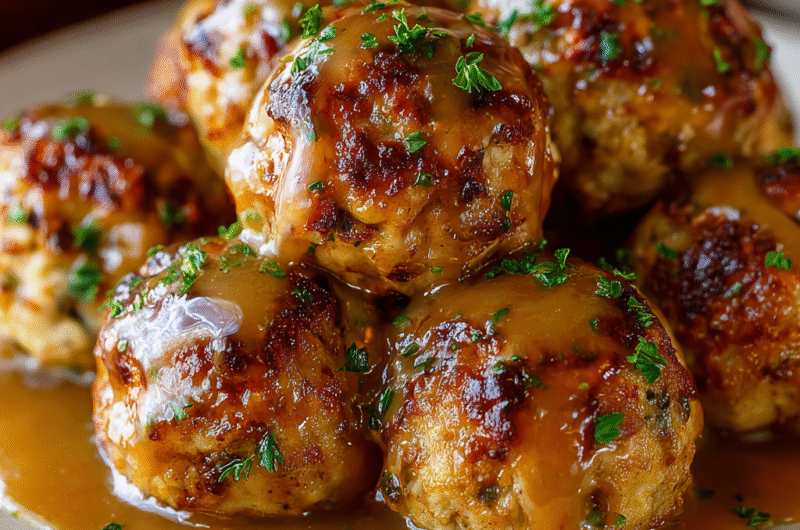
Thanksgiving is synonymous with gathering, celebration, and, of course, a delightful feast. One dish that often stands out on the holiday table is the stuffing, offering a warm and savory complement to the turkey and sides. However, instead of the traditional casserole, consider preparing stuffing balls for a fun twist that’s both bite-sized and bursting with flavor.
These Thanksgiving stuffing balls combine the essence of classic stuffing with the convenience of finger food. They’re perfect for parties or as an unexpected side dish that your guests will adore. With a blend of herbs, spices, and the right ingredients, you’ll create a memorable addition to your Thanksgiving feast.
Ingredients
- 4 cups stale bread cubes
Stale bread is key to achieving a sturdy structure in your stuffing balls, absorbing moisture without becoming soggy. - 1/2 cup butter
Butter adds richness and depth of flavor, helping to brown the stuffing balls and enhancing their overall taste. - 1 cup chopped onions
Onions bring a savory sweetness and depth, softening as they cook to blend seamlessly into the stuffing. - 1 cup chopped celery
Celery adds crunch and a refreshing flavor, balancing the richness of the butter and providing texture. - 2 teaspoons dried sage
Sage is traditionally associated with stuffing, offering an earthy, aromatic flavor that elevates the dish. - 1 teaspoon dried thyme
Thyme complements sage, introducing a slight minty and lemony undertone that brightens the stuffing. - 1/2 teaspoon salt
Salt is essential to enhance all the flavors in your stuffing balls, ensuring nothing tastes bland. - 1/2 teaspoon black pepper
Black pepper adds a touch of heat, balancing the flavors of the butter and herbs. - 1 cup chicken or vegetable broth
Broth moistens the stuffing without making it soggy, infusing it with additional savory flavor. - 2 large eggs
Eggs act as a binder, helping to hold the stuffing balls together while also adding richness. - 1 cup dried cranberries or raisins (optional)
Dried fruits provide a sweet contrast to the savory stuffing balls, enhancing their overall flavor complexity.
Directions & Preparation
Step 1: Preheat your oven to 375°F (190°C).
Preheating the oven ensures that the stuffing balls begin cooking immediately upon entering, which is crucial for achieving a crispy exterior. An oven that’s not preheated may result in uneven cooking.
Step 2: In a large skillet, melt the butter over medium heat.
Melting the butter allows it to coat the pan evenly and prevent sticking. It starts the cooking process for the onions and celery, releasing their flavors and aromas.
Step 3: Add the onions and celery, cooking until softened, about 5-7 minutes.
Softening the onions and celery in butter enhances their natural sweetness and develops a rich flavor base, which is essential for the stuffing balls.
Step 4: Stir in the sage, thyme, salt, and black pepper, cooking for an additional minute.
Cooking the herbs activates their essential oils, ensuring that their flavors fully infuse the stuffing, which is key for a well-seasoned dish.
Step 5: In a large bowl, combine the stale bread cubes and the sautéed mixture.
Mixing the sautéed vegetables with the bread provides a solid base for the stuffing balls, allowing the bread to absorb the flavors from the vegetables.
Step 6: Gradually add the chicken or vegetable broth until the mixture is moistened but not soggy.
Carefully adding broth ensures you achieve the right moistness while avoiding an overly wet mixture, which could cause the stuffing balls to fall apart.
Step 7: Beat the eggs and mix them into the stuffing mixture thoroughly.
Incorporating eggs helps bind the stuffing balls together, so they maintain their shape during baking. This step is crucial for achieving a great texture.
Step 8: Fold in the dried cranberries or raisins, if using.
Adding dried fruits introduces a delightful sweetness and contrast to the savory flavors, enhancing the overall taste profile of your stuffing balls.
Step 9: Form the mixture into golf ball-sized balls and place them on a baking sheet lined with parchment.
Shaping the stuffing into balls helps ensure even cooking and a crisp exterior. Parchment paper prevents sticking and promotes easy cleanup.
Step 10: Bake in the preheated oven for 25-30 minutes, or until golden brown.
Baking allows the stuffing balls to firm up and develop a crispy exterior. Keep an eye on them towards the end to ensure they don’t overcook.
Step 11: Remove from oven and let them cool slightly before serving.
Allowing the stuffing balls to cool for a few minutes makes them easier to handle and helps them hold their shape, ensuring a perfect bite.

Enhancing Flavor with Fresh Herbs
While dried herbs are essential for the base flavor, consider adding fresh herbs like parsley or chives to your stuffing balls. Fresh herbs can elevate the overall taste, adding brightness and vibrancy that dried herbs alone might miss. Just remember to chop them finely to distribute the flavors evenly throughout the mixture.
Make Them Ahead for Less Stress
If you’re looking to ease your Thanksgiving prep, these stuffing balls can be made ahead of time. Simply assemble them a day before and store them in the fridge. On the day of the feast, pop them in the oven for a quick reheat. This strategy not only saves you time but also allows the flavors to meld beautifully.
Experimenting with Flavor Combinations
Don't hesitate to personalize your stuffing balls with different ingredients such as cooked sausage, nuts, or apples. Each addition can introduce new flavors and textures, making your stuffing balls unique and tailored to your family’s taste. It's a great way to adapt this recipe to suit your preferences or experiment with seasonal ingredients.
FAQs
What if the stuffing mixture feels too dry?
If the mixture is too dry, you can gradually add more broth a tablespoon at a time until you achieve the desired moisture level.
Why did my stuffing balls fall apart when baking?
Stuffing balls may fall apart if there’s not enough binder. Ensure you incorporate the correct amount of eggs and broth.
Can I make the stuffing balls spicy?
Absolutely! Consider adding ingredients like diced jalapeños or a pinch of cayenne pepper to the mixture for some heat.
Can I use fresh bread instead of stale?
Using fresh bread can lead to soggy stuffing balls. If you must use fresh bread, toast it slightly to dry it out.
What can I add to enhance the flavor of my stuffing balls?
Incorporating ingredients like cooked bacon, various nuts, or even sautéed mushrooms can elevate the flavor significantly.
Can I adjust the size of the stuffing balls?
Yes, you can make them larger or smaller. Just adjust the baking time accordingly, checking for doneness periodically.
Conclusion
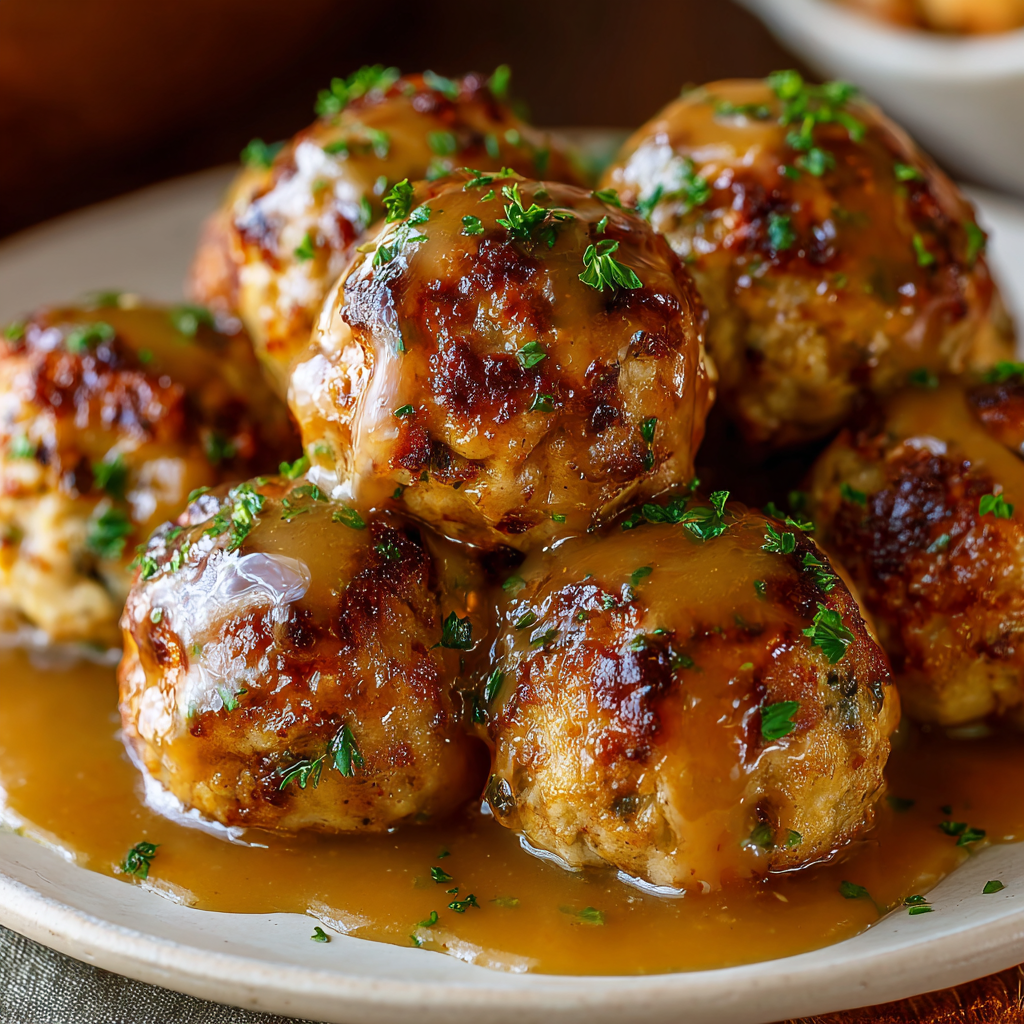
Thanksgiving stuffing balls provide a delightful alternative to traditional stuffing, blending flavors and textures in a fun, portable form. They’re easy to customize, ensuring that your family can enjoy a version tailored to their tastes.
Whether you incorporate seasonal ingredients, add a hint of spice, or serve them with your favorite dipping sauce, these stuffing balls are sure to impress. This holiday season, give your Thanksgiving a twist that is both familiar and refreshingly new.
Recipe Card
Delicious Thanksgiving Stuffing Balls for Everyone
Ingredients
Method
- Preheat your oven to 375°F (190°C).
- In a large skillet, melt the butter over medium heat.
- Add the onions and celery, cooking until softened, about 5-7 minutes.
- Stir in the sage, thyme, salt, and black pepper, cooking for an additional minute.
- In a large bowl, combine the stale bread cubes and the sautéed mixture.
- Gradually add the chicken or vegetable broth until the mixture is moistened but not soggy.
- Beat the eggs and mix them into the stuffing mixture thoroughly.
- Fold in the dried cranberries or raisins, if using.
- Form the mixture into golf ball-sized balls and place them on a baking sheet lined with parchment.
- Bake in the preheated oven for 25-30 minutes, or until golden brown.
- Remove from oven and let them cool slightly before serving.
Notes
Additional serving suggestions: pair with a crisp salad, garlic bread, or roasted seasonal vegetables for balance.
For make-ahead, prep components separately and assemble just before heating to preserve texture.
Taste and adjust with acid (lemon/vinegar) and salt right at the end to wake up flavors.


