Introduction
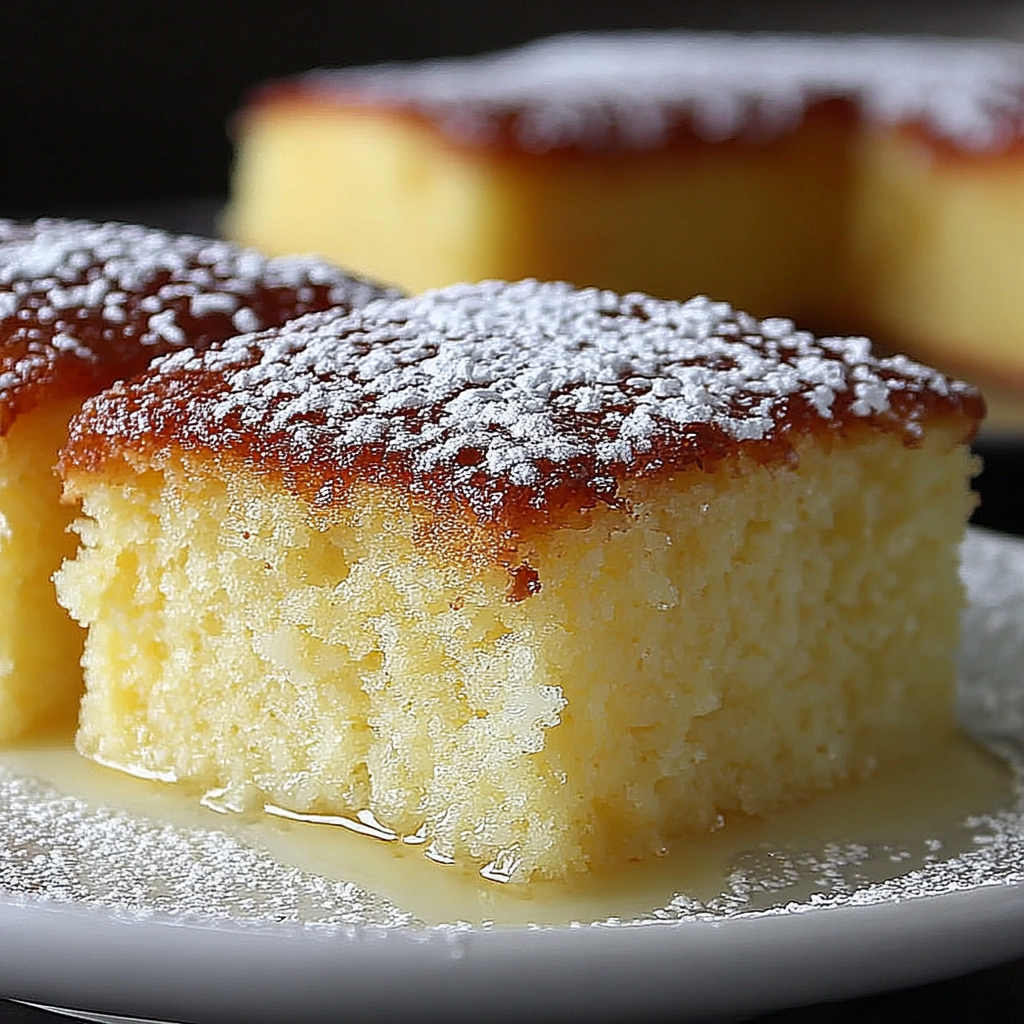
When it comes to baking, simplicity often leads to the most delightful results. A four-ingredient condensed milk cake is a prime example of this principle, making it a perfect choice for both novice bakers and seasoned pros looking for a quick, satisfying treat.
This cake showcases the power of condensed milk in creating a moist, flavorful dessert. With just four easy-to-find ingredients, you can whip up a delicious cake that delights the senses without overwhelming yourself or your kitchen.
Whether you're in need of a simple dessert for a family gathering, a quick treat for guests, or just a sweet indulgence for yourself, this condensed milk cake offers versatility and ease. Let’s delve into the ingredients and the process to create this surprisingly rich cake.
Ingredients
- 1 can (14 oz) sweetened condensed milk
The star of this recipe, sweetened condensed milk, is not only a sweetener but also adds moisture and a rich, creamy texture to the cake. The high sugar content helps with browning during baking while giving the cake a delightful sweetness. - 1 cup all-purpose flour
All-purpose flour provides the structure necessary for the cake, allowing it to rise and maintain its shape. Its gluten content gives the cake a tender crumb, ensuring it doesn't turn out too dense or heavy. - 1 teaspoon baking powder
Baking powder acts as a leavening agent that helps the cake achieve a light, airy texture. It creates bubbles in the batter as it heats, causing the cake to rise and become fluffy during the baking process. - 3 large eggs
Eggs contribute to the cake's moisture, structure, and richness. They also provide important binding properties, holding the ingredients together and helping the cake set properly as it cooks.
Directions & Preparation
Step 1: Preheat your oven to 350°F (175°C).
Preheating the oven is a crucial step in baking. It ensures that the cake begins cooking at the correct temperature right away, allowing for even baking throughout. This helps the cake rise and develop its texture. Take the time to preheat while you prepare the batter.
Step 2: In a mixing bowl, whisk together the condensed milk and eggs until fully combined.
This step is vital for incorporating air into the mixture, which aids in creating a lighter texture. Whisking the eggs and condensed milk helps dissolve the sugars in the condensed milk, ensuring a smooth, uniform batter. Mix until there are no visible egg streaks.
Step 3: Sift the flour and baking powder into the wet mixture, and gently fold together.
Sifting the flour and baking powder together helps to eliminate lumps and aerate the mixture, leading to a fluffier cake. Gently folding in the dry ingredients is important, as over-mixing can lead to a dense texture by developing too much gluten. Aim for a smooth batter.
Step 4: Pour the batter into a greased cake pan and smooth the top with a spatula.
Transferring the batter to a prepared pan should be done carefully to maintain its airiness. Smoothing the top ensures that the cake will rise evenly without peaks or valleys. A well-greased pan also prevents sticking, allowing for easy release once baked.
Step 5: Bake for 25-30 minutes, or until a toothpick inserted into the center comes out clean.
Baking time can vary, so it’s essential to check for doneness with a toothpick. If it comes out with wet batter, the cake needs more time in the oven. Proper baking allows the flavors to meld and the cake to maintain its desired texture. Keep an eye on it!
Step 6: Let the cake cool in the pan for about 10 minutes before transferring it to a wire rack.
Cooling in the pan helps the cake set before transferring, reducing the risk of breaking. After 10 minutes, moving it to a wire rack allows air to circulate freely around the cake, ensuring it cools evenly and prevents a soggy bottom.
Step 7: Slice and serve the cake once it has cooled completely.
Allowing the cake to cool completely before slicing is crucial for achieving clean cuts and preventing it from crumbling. This cake is delicious on its own but can also be topped with fresh fruits or a dusting of powdered sugar for added flair.

The Role of Condensed Milk in Baking
Sweetened condensed milk is a versatile ingredient that can elevate simple recipes into something extraordinary. Its concentrated sweetness and creamy consistency provide moisture and flavor, rendering cakes, cookies, and even custards with a luxurious mouthfeel. This cake demonstrates how such a humble pantry staple can yield impressive results with minimal effort.
Baking Powder: The Unsung Hero
While often overlooked, baking powder is key to achieving the light, airy texture of many baked goods. It works by releasing carbon dioxide when exposed to moisture and heat, causing the batter to rise. Understanding this ingredient ensures a more successful bake, as proper ratios influence the cake’s final height and fluffiness.
Eggs: More Than Just a Binder
Eggs are an essential component in baking, acting as binders and providing moisture while also contributing to the overall flavor. Beyond their structural role, they serve as emulsifiers, helping to blend fats and liquids smoothly. This cake truly showcases the importance of eggs in achieving the perfect balance between richness and lightness.
FAQs
What texture should the cake have once baked?
The cake should be moist and fluffy, with a light, airy structure. A toothpick inserted in the center should come out clean, indicating that it's fully cooked without being dense.
Why is my cake too dense?
A dense cake can result from over-mixing the batter, which develops too much gluten. Mixing gently is essential after adding the flour and baking powder to keep it airy.
Can I use whole wheat flour instead of all-purpose flour?
Yes, you can substitute whole wheat flour, but the cake's texture may be denser and slightly grainier. Reducing the flour by a couple of tablespoons can help maintain a lighter texture.
What if my batter seems too thick?
If your batter appears thicker than expected, it may be due to the moisture content of the eggs or flour. You can add a tablespoon of milk to loosen it without compromising the recipe.
How can I add flavor to this cake?
You can infuse flavor by adding vanilla extract, lemon zest, or cocoa powder. Just remember that adding too much may alter the consistency, so adjust other ingredients accordingly.
Why isn’t my cake rising as expected?
If the cake isn’t rising, it could be due to expired baking powder or insufficient mixing. Ensure your baking powder is fresh and that the wet ingredients are well combined.
Conclusion
Embracing simplicity in the kitchen can lead to wonderfully satisfying results. This four-ingredient condensed milk cake is a testament to that notion; it's easy to make yet delivers a rich, decadent flavor that will have your loved ones coming back for more.
Take the time to enjoy the process, from mixing the ingredients to savoring the final product. With just a handful of components and a little patience, you’ll have a delightful treat ready to impress, whether at an afternoon tea or a casual dessert.
Recipe Card
Notes
Additional serving suggestions: pair with a crisp salad, garlic bread, or roasted seasonal vegetables for balance.
For make-ahead, prep components separately and assemble just before heating to preserve texture.
Taste and adjust with acid (lemon/vinegar) and salt right at the end to wake up flavors.


