Introduction
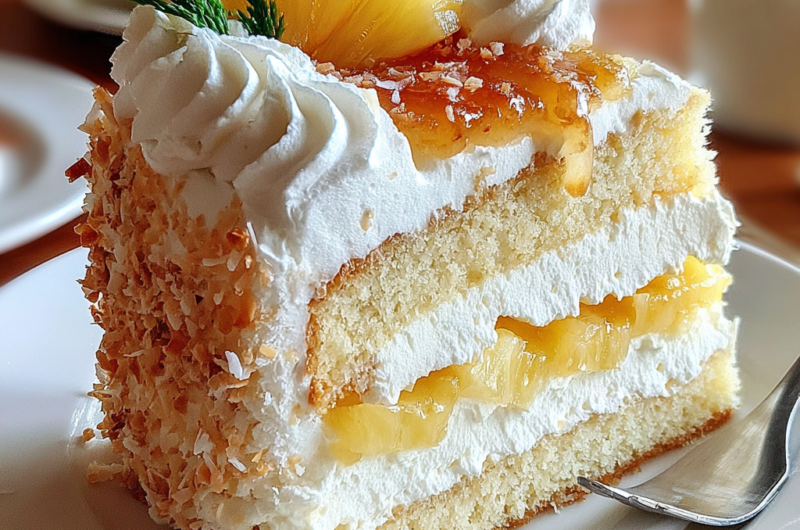
The Hawaiian Pineapple Coconut Dream Cake is a tropical escape for your taste buds. This cake combines the sweetness of pineapple with the creamy texture of coconut, creating a dessert that's both indulgent and refreshing. Perfect for summer gatherings or any occasion that calls for a touch of paradise, this cake will leave your guests asking for seconds.
Baking this cake is a delightful experience that evokes sunny tropical vibes, making it a joy for home cooks. Rich in flavor and texture, each bite transports you to the beaches of Hawaii. Whether you're a seasoned baker or a novice, you’ll find that this recipe offers straightforward steps to achieve a luxurious dessert.
Ingredients
- 2 cups all-purpose flour
This forms the structure of the cake, providing a light yet sturdy base. The gluten in the flour contributes to the cake's rise, ensuring a soft texture. - 1 1/2 cups granulated sugar
Sugar not only sweetens the cake but also helps in achieving a tender crumb by inhibiting gluten formation. It also contributes to the cake’s moisture. - 1 cup crushed pineapple (with juice)
Pineapple adds natural sweetness and moisture. Its acidity also helps to tenderize the cake, resulting in a more delicate texture. - 3/4 cup coconut milk
Coconut milk infuses the cake with a rich, creamy flavor while adding moisture. It also enhances the tropical profile of the cake. - 1/2 cup vegetable oil
Oil provides moisture and richness, contributing to a tender crumb. It keeps the cake soft and fresh even after a few days. - 3 large eggs
Eggs add structure and stability to the cake. They also provide moisture and contribute to leavening, helping the cake rise. - 2 teaspoons baking powder
Baking powder is the leavening agent that helps the cake rise. It creates air bubbles in the batter, resulting in a light texture. - 1 teaspoon vanilla extract
Vanilla extract enhances the overall flavor of the cake, adding depth to the sweet tropical notes. - 1/2 teaspoon salt
Salt enhances the sweetness and flavor of the cake, balancing the sweetness of the sugar and the richness of the coconut. - 1 cup shredded coconut (sweetened or unsweetened)
Coconut adds texture and flavor, contributing to the cake's delightful character. It makes each bite feel more indulgent. - For the frosting: 1 cup unsalted butter (softened)
Butter is essential for the frosting's creamy consistency. It also provides a rich flavor that complements the cake nicely. - 4 cups powdered sugar
Powdered sugar sweetens the frosting and gives it the smooth consistency that's easy to spread. It dissolves quickly for a creamy texture. - 1/4 cup coconut milk (for frosting)
Coconut milk in the frosting mirrors the cake's flavor and ensures it remains spreadable while enhancing the tropical theme. - 1 teaspoon vanilla extract (for frosting)
Similar to the cake, vanilla enhances the flavor profile of the frosting, making it rich and aromatic.
Directions & Preparation
Step 1: Preheat your oven to 350°F (175°C) and prepare your cake pans.
Preheating ensures that the cake will rise properly while baking. Properly greasing and lining your pans with parchment paper prevents the cake from sticking, allowing for a smooth removal post-baking.
Step 2: In a large bowl, combine the flour, baking powder, and salt.
This step ensures that the baking powder and salt are evenly distributed throughout the flour, which is critical for uniform rising. It also helps to aerate the flour, leading to a lighter cake.
Step 3: In another bowl, whisk together the sugar, eggs, and vegetable oil until well combined.
Whisking the sugar and eggs introduces air, which aids in leavening. Incorporating oil guarantees that the mixture will stay moist, and this creates a light batter as well.
Step 4: Add the crushed pineapple (with juice) and coconut milk to the egg mixture, mixing well.
The crushed pineapple not only adds moisture but also sweetens the batter. The coconut milk enriches the flavor, enhancing the cake’s tropical essence.
Step 5: Gradually incorporate the dry ingredients into the wet mixture until just combined; do not overmix.
Overmixing can develop the gluten in the flour, leading to a denser cake. It's important to mix just until combined for a tender crumb.
Step 6: Fold in the shredded coconut gently to avoid overmixing.
Folding ensures the coconut is evenly distributed without overworking the batter. This adds texture and flavor to every slice.
Step 7: Pour the batter evenly into the prepared cake pans.
Even distribution of batter helps in even baking. Releasing any air bubbles by gently tapping the pans will also ensure consistent texture throughout.
Step 8: Bake in the preheated oven for 25-30 minutes or until a toothpick comes out clean when inserted in the center.
Baking at the right temperature is crucial for the cake to rise and set properly. Checking for doneness with a toothpick helps prevent overbaking.
Step 9: Once done, remove from the oven and let the cakes cool in the pans for 10 minutes before transferring to wire racks.
Cooling in the pans allows the cakes to set before handling. Transferring to wire racks helps them cool completely, which is necessary for proper frosting application.
Step 10: For the frosting, beat softened butter in a bowl until creamy and smooth.
Creaming the butter properly creates a fluffy texture that serves as the perfect base for your frosting. This step is vital to achieving the right consistency and flavor.
Step 11: Gradually add powdered sugar and mix well, then add coconut milk and vanilla extract until smooth and fluffy.
Incorporating the powdered sugar slowly helps to prevent a sugar cloud in your kitchen. The added coconut milk will ensure your frosting achieves the right creamy texture.
Step 12: Once the cakes are completely cooled, frost the top of one layer, place the second on top, and frost the top and sides of the whole cake.
Layering the frosting between the cake layers adds richness and flavor. Frosting the sides provides a beautiful finish and is an opportunity to add more texture with shredded coconut if desired.
Step 13: Decorate with additional shredded coconut or pineapple slices as desired.
Garnishing not only enhances the cake's visual appeal but can also intensify the flavor profile. Fresh pineapple or coconut adds a delightful touch that aligns with the cake's theme.
Step 14: Slice and serve your Hawaiian Pineapple Coconut Dream Cake, and enjoy!
Serving the cake at room temperature allows all the flavors to shine. This delightful mix of textures and tastes will surely be a hit at any gathering.

Choosing the Right Pineapple
Selecting ripe pineapple is key for this cake. A fresh, sweet pineapple will infuse the cake with vibrant flavor, whereas canned pineapple can be convenient but often comes lacking in taste. If using fresh pineapple, aim for a balance of sweetness and acidity to enhance the cake’s overall profile.
Frosting Variations to Explore
While the classic coconut frosting is divine, feel free to experiment with flavors. Consider adding a touch of lime zest or a small amount of rum to your frosting to create a piña colada-inspired treat. These tweaks add an extra layer of fun to your cake while maintaining its tropical roots.
Serving Suggestions for a Tropical Experience
Pair this cake with tropical beverages like a coconut mojito or a refreshing iced tea with mint and citrus. Adding a scoop of vanilla or coconut ice cream on the side can elevate the experience, creating a refreshing palate cleanser between bites. Your guests will feel like they are indulging in a beachside retreat.
FAQs
What should I do if my frosting is too thick?
If your frosting is too thick, add a tablespoon of coconut milk at a time until you reach the desired consistency. This will help make it easier to spread without compromising the flavor.
Can I use fresh coconut in the recipe instead of dried?
Yes, fresh coconut can be used for a more intense flavor. Just make sure to finely shred it and adjust for moisture if necessary.
What if my cake doesn’t rise properly?
If your cake doesn't rise, double-check that your baking powder is fresh and that you mixed your batter thoroughly but gently. Sometimes an oven that is not fully preheated can also affect the rise.
Can I reduce the sugar in the cake to make it less sweet?
You can reduce the sugar slightly, but be careful, as sugar also plays a role in the structure and moisture of the cake. A reduction of 1/4 cup is generally safe without greatly affecting the outcome.
How can I enhance the pineapple flavor in my cake?
To amplify the pineapple flavor, consider adding a touch of pineapple extract or using more freshly crushed pineapple in the batter. This little tweak will heighten the tropical experience.
What can I do if my cake comes out too dry?
If your cake is dry, it could be a result of overbaking. Ensure you check for doneness a few minutes earlier next time. You can also brush simple syrup on cooled layers before frosting to add moisture.
Conclusion
The Hawaiian Pineapple Coconut Dream Cake is not just a treat; it's an experience that brings a taste of the islands into your home. With its vibrant flavors and inviting aroma, it truly celebrates the essence of tropical desserts.
Whether serving it at a gathering or enjoying it at home, this cake is bound to become a favorite. Embrace your baking journey and share the joy of this delightful cake with friends and family, creating sweet memories that last.
Recipe Card

Delight in a Hawaiian Pineapple Coconut Dream Cake
Ingredients
Method
- Preheat your oven to 350°F (175°C) and prepare your cake pans.
- In a large bowl, combine the flour, baking powder, and salt.
- In another bowl, whisk together the sugar, eggs, and vegetable oil until well combined.
- Add the crushed pineapple (with juice) and coconut milk to the egg mixture, mixing well.
- Gradually incorporate the dry ingredients into the wet mixture until just combined; do not overmix.
- Fold in the shredded coconut gently to avoid overmixing.
- Pour the batter evenly into the prepared cake pans.
- Bake in the preheated oven for 25-30 minutes or until a toothpick comes out clean when inserted in the center.
- Once done, remove from the oven and let the cakes cool in the pans for 10 minutes before transferring to wire racks.
- For the frosting, beat softened butter in a bowl until creamy and smooth.
- Gradually add powdered sugar and mix well, then add coconut milk and vanilla extract until smooth and fluffy.
- Once the cakes are completely cooled, frost the top of one layer, place the second on top, and frost the top and sides of the whole cake.
- Decorate with additional shredded coconut or pineapple slices as desired.
- Slice and serve your Hawaiian Pineapple Coconut Dream Cake, and enjoy!
Notes
Additional serving suggestions: pair with a crisp salad, garlic bread, or roasted seasonal vegetables for balance.
For make-ahead, prep components separately and assemble just before heating to preserve texture.
Taste and adjust with acid (lemon/vinegar) and salt right at the end to wake up flavors.


