Introduction
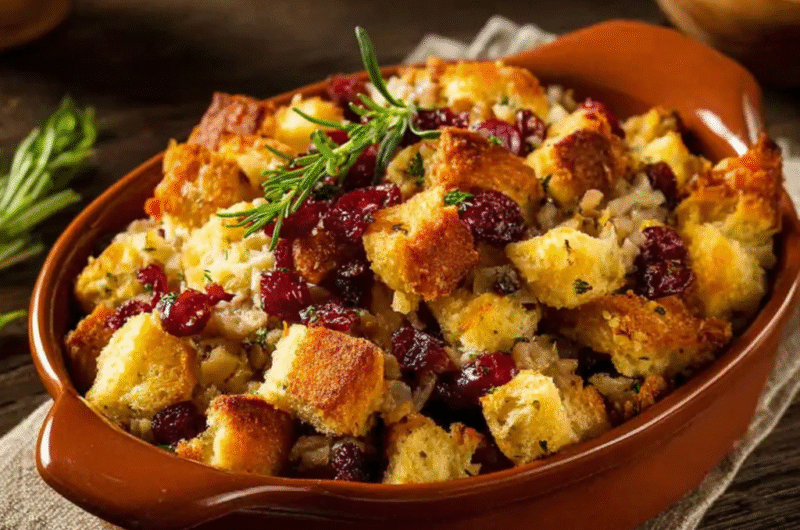
Thanksgiving is a time for family gatherings, warmth, and, of course, a feast that brings us back to cherished memories. Among the flurry of dishes served, stuffing holds a special place at the table. Grandma’s Thanksgiving stuffing recipe is a beloved family tradition that has been handed down through generations, providing comfort and a touch of nostalgia.
What makes this stuffing unique is its combination of ingredients that marry together to create a harmonious blend of flavors and textures. Each component plays an essential role, resulting in a dish that not only complements the turkey but also tantalizes the palate. This stuffing goes beyond just a side dish; it tells a story, one bite at a time.
Ingredients
- 1 loaf of day-old bread, cubed
Using day-old bread is key to achieving the perfect texture. It dries out slightly, preventing the stuffing from becoming mushy when mixed with other wet ingredients. - 4 tablespoons unsalted butter
Butter adds richness and flavor, ensuring that the stuffing has a velvety mouthfeel. It also aids in sautéing vegetables, enhancing their sweetness. - 1 large onion, diced
Onion provides a sweet and savory base for the stuffing, contributing to its aromatic profile and depth of flavor as it caramelizes during cooking. - 2 celery stalks, diced
Celery adds a crunchy texture and bright flavor. Its slight earthiness counterbalances the richness of the butter and brings freshness to the dish. - 2 cups low-sodium chicken broth
Chicken broth adds moisture and a savory depth, bringing all the flavors together. Opting for low-sodium broth allows you to control the saltiness. - 1 tablespoon fresh sage, chopped
Sage is quintessential for Thanksgiving, offering a distinctive aroma that complements the stuffing superbly. Fresh herbs elevate the dish, providing vibrant flavors. - 1 tablespoon fresh thyme, chopped
Thyme adds an earthy note and pairs beautifully with sage, creating a fragrant blend that enhances the stuffing's overall complexity. - 1 teaspoon salt
Salt is crucial for seasoning; it amplifies the inherent flavors of the ingredients, ensuring the stuffing is savory and satisfying. - 1/2 teaspoon black pepper
Black pepper introduces a mild heat that contrasts well with the richness of the butter, enriching the flavor profile. - 1 cup dried cranberries or walnuts (optional)
Adding dried cranberries or walnuts introduces a touch of sweetness and texture, enhancing the stuffing's complexity. They offer a pop of flavor and a little crunch.
Directions & Preparation
Step 1: Preheat your oven to 350°F (175°C)
Preheating the oven ensures even cooking from the outset. A hot oven helps create that perfect golden crust while the stuffing bakes, sealing in the moisture and flavor.
Step 2: In a large skillet, melt the butter over medium heat.
Melted butter is essential for sautéing the diced onions and celery. The heat brings out their natural sweetness, creating a flavorful base. You'll want them soft but not browned.
Step 3: Add the diced onion and celery to the skillet. Cook until softened, about 5-7 minutes.
Sautéing the vegetables develops their flavor, which is a foundational element of the stuffing. Stir occasionally to prevent burning and ensure even cooking.
Step 4: Stir in the chopped sage, thyme, salt, and pepper; cook for an additional 1-2 minutes.
Adding the herbs right at the end of sautéing intensifies their aromatic qualities. This step ensures their essential oils are released without overcooking.
Step 5: In a large mixing bowl, combine the cubed bread and vegetable mixture.
Combining the bread with the sautéed mixture yields an evenly distributed flavor. The bread will absorb moisture and seasoning, becoming the perfect base for stuffing.
Step 6: Pour the chicken broth over the bread mixture, stirring gently to combine.
Adding broth is crucial for creating a moist stuffing. Stir gently to avoid breaking down the bread cubes, aiming for a consistency that is moist but not soggy.
Step 7: If desired, fold in the dried cranberries or walnuts at this point.
Incorporating cranberries or walnuts at this stage allows them to be evenly distributed throughout the stuffing. Their addition offers pops of flavor and texture.
Step 8: Transfer the mixture to a greased 9×13 inch baking dish.
Transferring the mixture to a baking dish prepares it for the oven. A greased dish ensures easy removal and prevents sticking, making serving much simpler.
Step 9: Cover the dish with aluminum foil and bake for 30 minutes.
Covering the stuffing helps it steam and retain moisture during the initial baking phase. This results in a tender stuffing without a dry texture.
Step 10: Remove the foil and bake for an additional 15-20 minutes, or until golden brown.
Uncovering the stuffing allows it to develop a crispy top, with the edges caramelizing beautifully. This layer adds both texture and visual appeal to the dish.

The Role of Fresh Herbs in Grandma's Recipe
Fresh herbs not only add a burst of flavor but also evoke the essence of a home-cooked Thanksgiving. In Grandma’s stuffing, sage and thyme work harmoniously, bringing warmth and aromatic depth. Harvesting herbs from your garden or buying them at a local market ensures that your stuffing boasts vibrant flavors, just like Grandma intended.
Why Day-Old Bread is the Secret Ingredient
Using day-old bread may seem trivial, but it’s a game changer in stuffing. Fresh bread tends to absorb too much moisture, resulting in a clumpy texture. By using stale bread, each cube retains an ideal balance, soaking just enough broth to flavor the stuffing without losing its integrity, achieving that perfect bite.
Adjusting Texture for Personal Preference
Texture is pivotal in determining the success of stuffing. You may prefer a smoother homestyle or a chunkier artisanal version. Adjusting the size of bread cubes and the degree of baking can create variations in texture, allowing you to customize the dish for your family’s preferences, making it truly your own.
FAQs
Why does my stuffing seem too dry?
If the stuffing is dry, it likely did not absorb enough broth. Consider adding more liquid at the mixing stage, or gently reheat with a splash of broth before serving.
What if I want a more robust flavor profile?
To enhance the flavor, you can add sautéed mushrooms or cooked sausage to the mixture. Both options contribute rich, savory elements that complement the seasoning.
What can I do if the stuffing is too wet?
If the stuffing turns out too wet, transfer it to a larger baking dish and bake longer to allow excess moisture to evaporate, promoting a desirable crispy texture.
Can I add vegetables like mushrooms or bell peppers?
Absolutely! Adding vegetables like mushrooms or bell peppers can introduce additional layers of flavor and texture. Just sauté them with the onions and celery.
What should I do if the bottom of the stuffing is burnt?
If the bottom burns, adjust your baking dish placement in the oven next time for better airflow. You can also cover the dish partway through baking to prevent over-browning.
Can I change the type of broth used?
Certainly! While chicken broth is traditional, vegetable broth works well for a different flavor profile. This allows for customization based on dietary preferences or tastes.
Conclusion
Grandma’s Thanksgiving stuffing recipe is more than just a dish; it's a journey of flavors and memories. Each bite brings back warm recollections of family gatherings, laughter, and the joy of sharing a meal together. As you prepare this stuffing, you're not just cooking; you’re honoring a cherished tradition.
By embracing these ingredients and steps, you can create a stuffing that reflects your family’s history while allowing room for your personal touch. This Thanksgiving, let this dish take center stage on your table, bringing a taste of nostalgia to your celebration.
Recipe Card
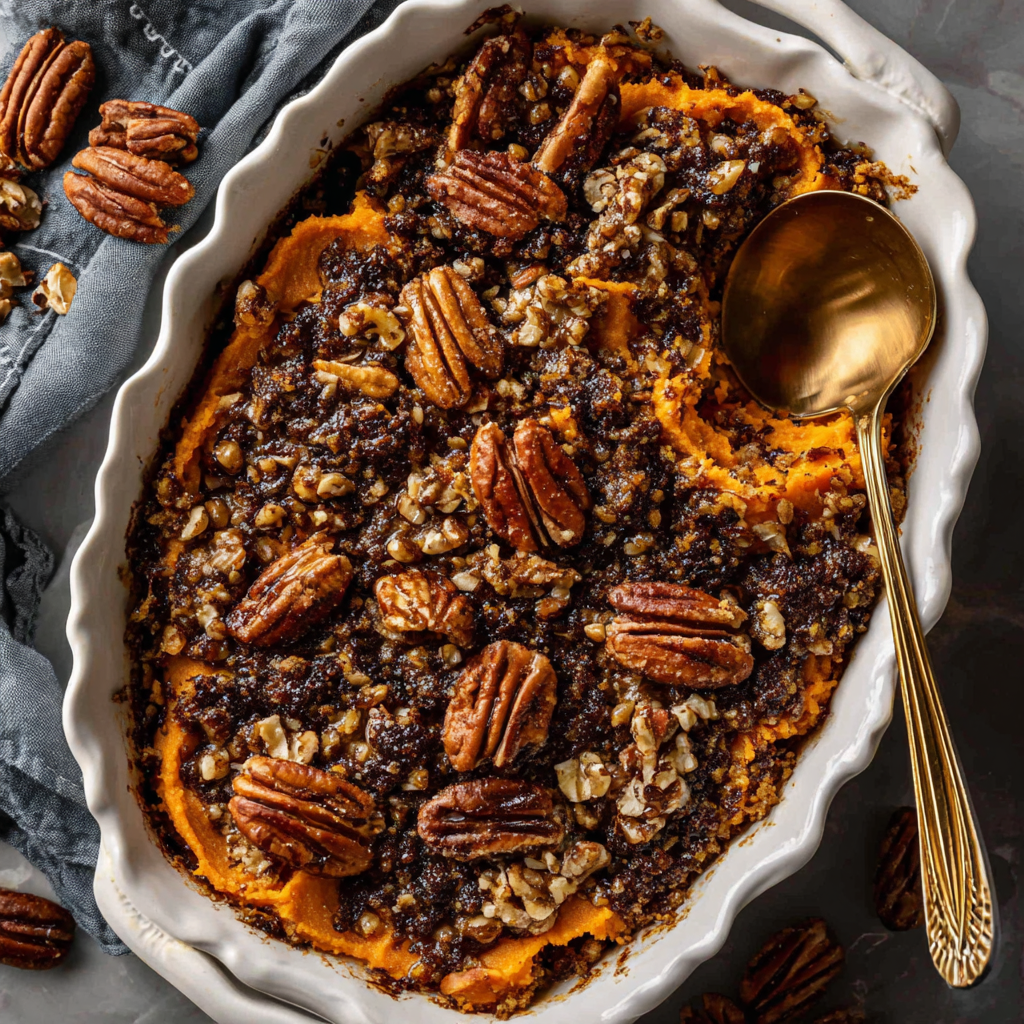
Southern Maple Sweet Potato Casserole Recipe
Ingredients
Method
- Preheat the oven to 350°F (175°C).
- Prepare the sweet potatoes by peeling and chopping them into chunks.
- Boil the sweet potato chunks in a large pot until tender (about 15-20 minutes).
- Drain the sweet potatoes and return them to the pot.
- Add maple syrup, brown sugar, melted butter, vanilla extract, cinnamon, nutmeg, and salt to the pot.
- Mash the sweet potato mixture until smooth.
- Transfer the mixture to a greased baking dish.
- If using, spread mini marshmallows over the top of the casserole.
- Bake in the preheated oven for 25-30 minutes, or until heated through and marshmallows are golden brown.
- Remove from oven and allow it to cool slightly before serving.
Notes
Additional serving suggestions: pair with a crisp salad, garlic bread, or roasted seasonal vegetables for balance.
For make-ahead, prep components separately and assemble just before heating to preserve texture.
Taste and adjust with acid (lemon/vinegar) and salt right at the end to wake up flavors.


