Introduction
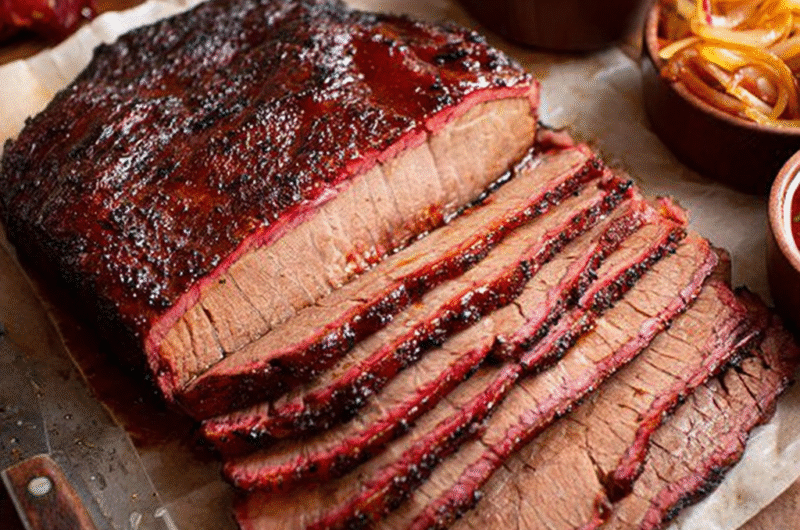
Smoked brisket is a dish that whispers comfort and celebration, a true hallmark of barbecue culture. The rich, flavorful meat paired with smoky undertones creates a dish that is both indulgent and memorable. Whether you’re preparing for a family gathering or a quiet evening at home, mastering the art of smoked brisket elevates your cooking skills and brings people together.
The process of smoking brisket requires patience and care, but the rewards are well worth the effort. As the brisket transforms during the smoking process, it develops a beautiful bark and an incredibly tender texture, making every bite a delightful experience. Dive into the world of BBQ with this comprehensive approach to preparing smoked brisket.
Ingredients
- 5 lbs beef brisket
The star of the dish; brisket contains substantial fat, essential for flavor and moisture during the long cooking process. - 2 tablespoons kosher salt
This salt helps in drawing moisture out, creating a brine effect that enhances flavor and acts as a preservative. - 2 tablespoons black pepper
Provides a spicy kick and complements the meat's rich flavor, enhancing the overall taste profile of the brisket. - 1 tablespoon garlic powder
Adds depth and aromatic qualities; the garlic will caramelize during the cooking, enriching the overall flavor. - 1 tablespoon onion powder
Lends a sweet, savory flavor that harmonizes with other spices, contributing to a well-rounded taste. - 1 tablespoon smoked paprika
Infuses a smoky flavor without needing a high volume of wood smoke; it enhances the overall color and appeal. - Wood chips (hickory or oak)
These are used in the smoker to add distinct smoky flavors to the meat; the choice of wood can dramatically influence the final taste. - 1 cup beef broth
Used to maintain moisture during the cooking process and prevent the meat from drying out, enhancing the brisket's juicy texture.
Directions & Preparation
Step 1: Prepare the brisket by trimming excess fat.
Select a brisket with a good fat cap, as the fat renders during smoking, keeping the meat moist. Trim any excess fat that might cause flare-ups in the smoker, but leave some for flavor. An ideal cap should be about a quarter-inch thick.
Step 2: Season the brisket with your chosen rub.
Once the brisket is trimmed, thoroughly cover it with a mixture of salt, black pepper, garlic powder, onion powder, and smoked paprika. This rub forms a flavorful crust during smoking, sealing in moisture and enhancing the brisket's flavor.
Step 3: Wrap the brisket and refrigerate.
Wrapping your seasoned brisket in plastic wrap helps the rub penetrate the meat more effectively, allowing flavors to meld. Letting it rest in the fridge for at least a few hours, or overnight, is ideal for maximum flavor.
Step 4: Preheat your smoker to 225°F (107°C).
Low and slow is the mantra for smoking brisket. Maintaining a consistent temperature is crucial, as it allows the connective tissues to break down gradually, resulting in tender meat.
Step 5: Add wood chips to your smoker as it reaches temperature.
Using hickory or oak wood chips adds a classic smoky flavor. Soak the chips in water for 30 minutes before using to prolong their smoking time, creating a richer flavor in the meat.
Step 6: Place the brisket in the smoker, fat side up.
This position allows the melting fat to baste the meat as it cooks, adding moisture and flavor. Ensure the brisket is placed away from direct heat for even cooking.
Step 7: Monitor the smoker temperature and smoke until it reaches an internal temperature of 170°F (77°C).
Using a meat thermometer is crucial for ensuring the brisket is cooked properly. Smoking the brisket to this initial temperature allows the bark to form and flavors to intensify.
Step 8: Wrap the brisket in butcher paper or foil.
This step, known as 'the Texas Crutch,' helps retain moisture and speeds up cooking time by trapping heat. It prevents the brisket from drying out while continuing to tenderize the meat.
Step 9: Continue smoking until the internal temperature reaches 203°F (95°C).
At this point, the brisket will be perfectly tender. The collagen and fat have broken down completely, making for an incredibly juicy and flavorful end product.
Step 10: Rest the brisket before slicing.
Resting allows the juices to redistribute throughout the meat, ensuring every slice is juicy and tender. Cover the brisket with foil and let it rest for at least 30 minutes before slicing.

Understanding Brisket Cuts
Brisket is a cut from the breast or lower chest of a cow, commonly divided into two parts: the flat and the point. The flat is leaner and often used for slicing, while the point contains more fat and is great for shredding. Choosing the right cut for smoking can impact cooking time and flavor; a well-marbled brisket with both flat and point can yield the best results.
Importance of Resting Period
Resting your smoked brisket is a vital step that should not be overlooked. Allowing the brisket to rest enhances flavor and texture, as it gives time for the juices to redistribute throughout the meat. If cut too early, the juices will escape, leading to dryness. A well-rested brisket will slice easily and deliver a tender, moist bite.
Choosing the Right Wood Chip
The type of wood you choose to smoke brisket with can significantly affect its flavor. Hickory gives a strong, smoky flavor; oak lends a milder but still substantial taste; mesquite brings a bold intensity. Experimenting with different wood varieties or even combining them can create unique flavor profiles that enhance your brisket experience.
FAQs
What should I do if my brisket is too dry?
If the brisket turns out dry, try wrapping it in foil during the cooking process next time. In addition, ensure that you're monitoring the internal temperature closely and consider injecting liquid into the brisket before cooking.
How can I adjust my rub if it's too salty?
If the rub turns out too salty, try reducing the amount of salt in future batches or balance it by increasing the quantities of other spices in your mix to maintain flavor.
What if my brisket isn't cooking evenly?
If the brisket isn't cooking evenly, check your smoker's heat distribution. Ensure that the meat is placed away from direct heat and consider using a meat thermometer to identify cooler spots.
Can I smoke a smaller cut of brisket?
Yes, you can smoke a smaller cut of brisket, but this may reduce cooking time. Always ensure to monitor the internal temperature to avoid overcooking.
What if my bark isn't forming properly?
If the bark on your brisket isn’t forming well, ensure your rub has enough sugar in it, which caramelizes and helps create that crust. Also, make sure your smoker maintains a consistent temperature.
How can I tell when my brisket is ready to come off the smoker?
The best indicator is the internal temperature. Brisket is ready at 203°F, and you should see a nicely formed bark and softness when tested with a probe or fork.
Conclusion
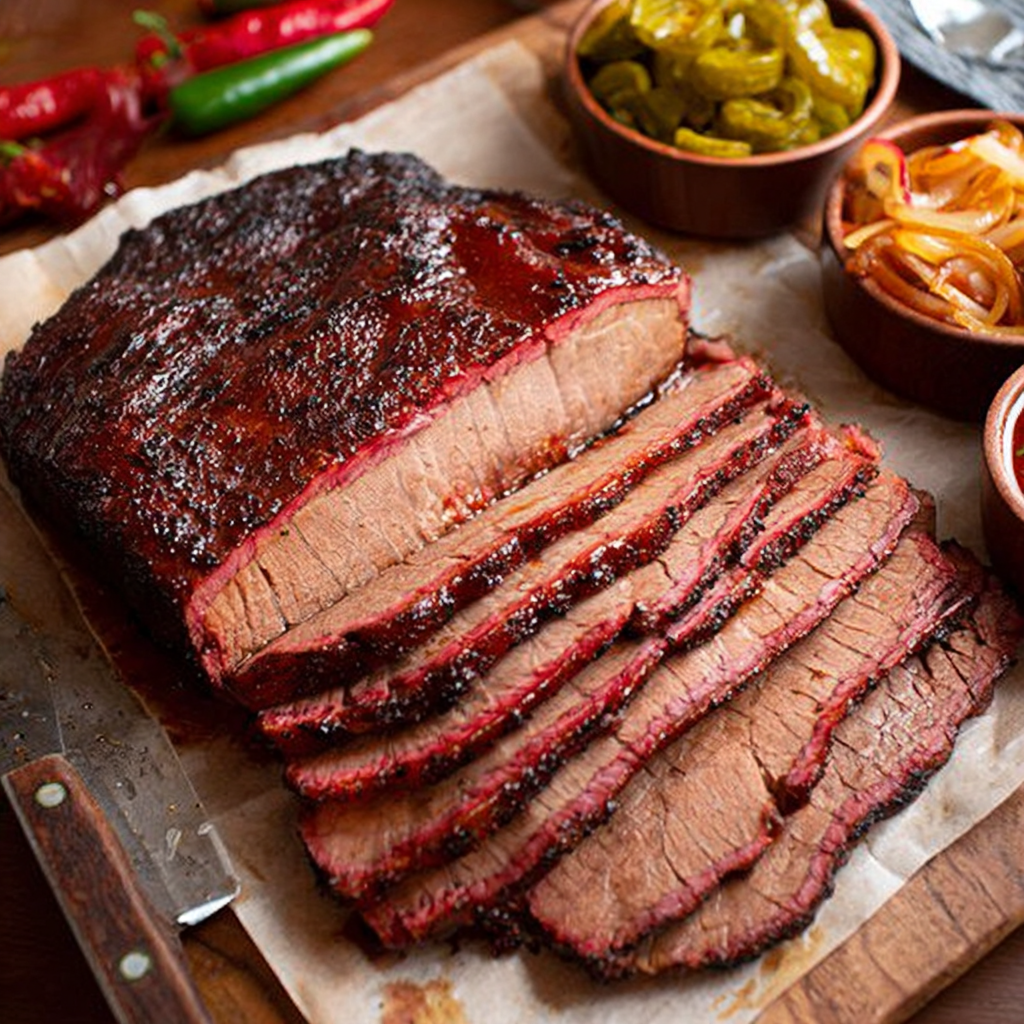
Creating smoked brisket at home is not just a cooking exercise; it's an experience that involves care, patience, and a little bit of science. Each step of the process contributes to the end result—a beautifully smoked, tender brisket that will surely impress family and friends.
As you experiment with flavors and techniques, you'll discover ways to make this dish uniquely yours. Whether enjoyed at a family barbecue or a quiet dinner, smoked brisket is a dish worth savoring and sharing. Embrace the journey and enjoy every bite.
Recipe Card
Crafting the Perfect Smoked Brisket at Home
Ingredients
Method
- Prepare the brisket by trimming excess fat.
- Season the brisket with your chosen rub.
- Wrap the brisket and refrigerate.
- Preheat your smoker to 225°F (107°C).
- Add wood chips to your smoker as it reaches temperature.
- Place the brisket in the smoker, fat side up.
- Monitor the smoker temperature and smoke until it reaches an internal temperature of 170°F (77°C).
- Wrap the brisket in butcher paper or foil.
- Continue smoking until the internal temperature reaches 203°F (95°C).
- Rest the brisket before slicing.
Notes
Additional serving suggestions: pair with a crisp salad, garlic bread, or roasted seasonal vegetables for balance.
For make-ahead, prep components separately and assemble just before heating to preserve texture.
Taste and adjust with acid (lemon/vinegar) and salt right at the end to wake up flavors.


