Introduction
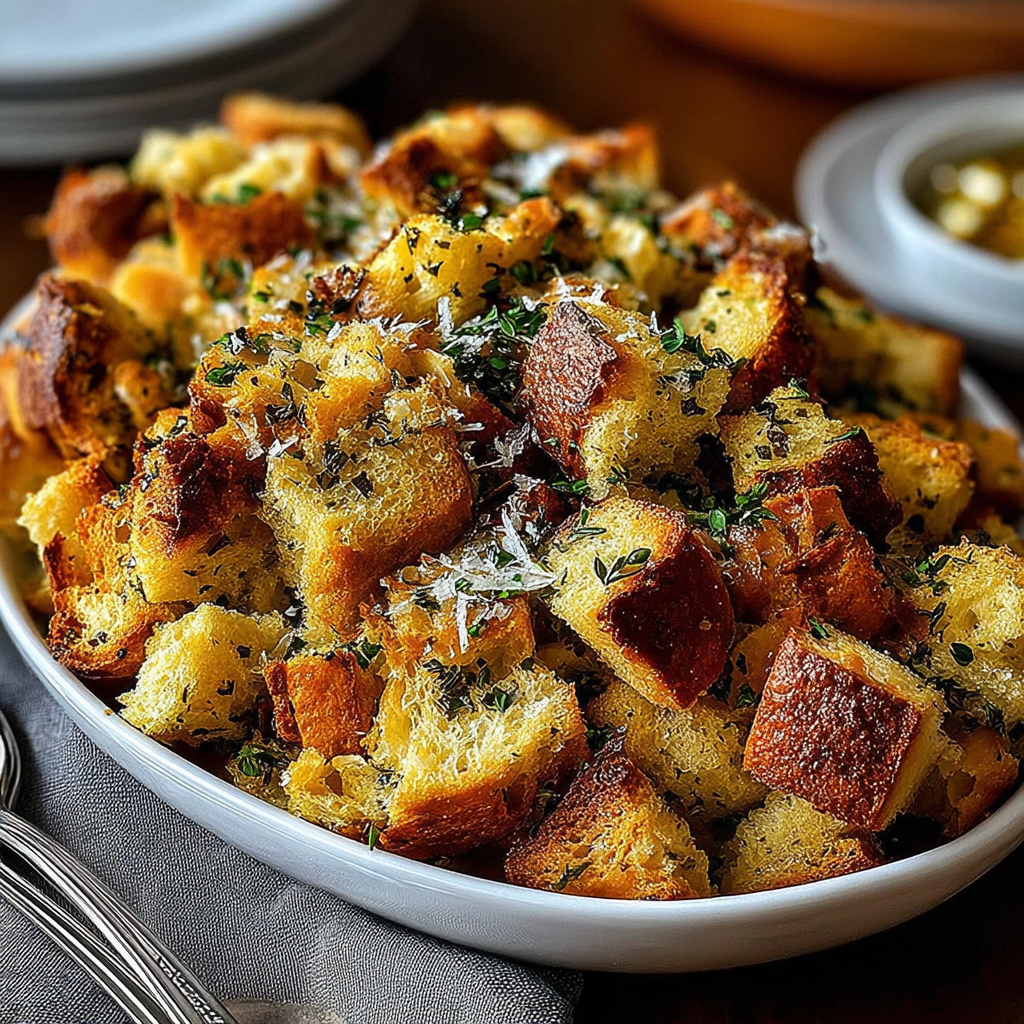
As the holiday season approaches, thoughts turn to meals shared with family and friends, and nothing complements a festive feast quite like homemade stuffing. This treasured side dish is not only a staple on many holiday tables but also a canvas for creativity, allowing home cooks to experiment with flavors and ingredients that reflect their personal tastes.
Whether you prefer a traditional sage stuffing or a more adventurous version that incorporates seasonal fruits and nuts, the warmth of homemade stuffing brings everyone together. In this article, we will explore how to craft a delightful stuffing that enhances any holiday gathering.
Ingredients
- 1 loaf of rustic bread, cubed (about 10 cups)
Using a sturdier bread like sourdough or ciabatta adds depth to your stuffing, providing a hearty base that absorbs flavors well while holding its shape during baking. - 1 cup unsalted butter
Butter is the cornerstone of flavor in your stuffing, adding richness and helping to sauté aromatics that build the base of this dish. - 1 onion, diced
Onions bring sweetness and a slight acidity, balancing the richness of the butter. When sautéed, they become tender and fragrant, enhancing the overall flavor. - 2 cups celery, diced
Celery contributes a crunchy texture and fresh, herbal notes that brighten up the stuffing, making it more complex and interesting. - 1 teaspoon dried sage
Sage is a classic herb in stuffing, providing earthy, savory depth. Dried sage is potent, so a little goes a long way, ensuring your stuffing has a distinct aroma. - 1 teaspoon dried thyme
Thyme adds a subtly sweet and earthy flavor, complementing other herbs and infusing the stuffing with a warm fragrance. - 1 teaspoon salt
Salt is essential in this recipe to enhance the flavors of each ingredient, helping to balance the sweetness of the onion and the nuttiness of the bread. - 1/2 teaspoon black pepper
Pepper introduces a mild heat that rounds out the flavors, adding a gentle, spicy kick to the stuffing. - 2 cups chicken or vegetable broth
Broth hydrates the bread, melding the flavors together while adding moisture, ensuring a fluffy texture rather than a dense mixture. - 1/2 cup fresh parsley, chopped
Fresh parsley not only adds a pop of color but also introduces brightness and freshness to the hearty stuffing, making the dish more vibrant.
Directions & Preparation
Step 1: Preheat your oven to 350°F (175°C).
Preheating the oven is essential to ensure even cooking. A fully heated oven allows the stuffing to develop a golden crust while keeping the inside moist and flavorful.
Step 2: In a large skillet, melt the butter over medium heat. Add the diced onion and celery. Cook until the vegetables are soft, about 5-7 minutes.
Softening the onion and celery releases their natural sweetness and enhances the flavor of the stuffing base. This process also creates aromatic vapors that will elevate your dish.
Step 3: Stir in the sage, thyme, salt, and pepper, and cook for an additional minute until fragrant.
Cooking the dry herbs in the butter creates a flavorful mixture where the heat helps release their oils, resulting in an aromatic infusion that enhances the stuffing's depth.
Step 4: In a large bowl, combine the cubed bread with the cooked vegetable mixture, mixing well to distribute evenly.
Properly combining the bread with the sautéed vegetables ensures that every bite is flavorful and balanced. The bread needs to absorb the buttery herb mixture for best results.
Step 5: Slowly pour in the broth, mixing gently until the bread is thoroughly moistened but not soggy.
Adding the broth gradually prevents the mixture from becoming too wet. You want the bread to absorb enough liquid to become tender without losing its structure.
Step 6: Fold in the chopped parsley, saving a bit for garnish if desired.
Incorporating parsley last preserves its bright color and fresh flavor, ensuring it retains its vivacity in the final dish, enhancing both visual appeal and taste.
Step 7: Transfer the stuffing to a greased baking dish and spread it evenly.
Even spreading allows the stuffing to cook uniformly, ensuring a nice texture on all sides. A greased dish also helps create a lightly crispy exterior.
Step 8: Cover the dish with foil and bake for 25 minutes. Remove the foil and bake for an additional 15-20 minutes until golden and crispy on top.
Covering the stuffing initially helps maintain moisture, while removing the foil allows the top to crisp up, creating a delicious contrast between textures.
Step 9: Let the stuffing cool slightly before serving, garnished with remaining parsley if desired.
Allowing the stuffing to rest briefly before serving allows the flavors to settle and makes serving easier, ensuring portions hold together beautifully.

Elevate Your Stuffing with Seasonal Additions
Consider incorporating seasonal ingredients to make your stuffing uniquely yours. Diced apples or pears can add a hint of sweetness, while chopped nuts like pecans or walnuts provide a delightful crunch. Dried cranberries or apricots can bring a tart contrast, enhancing the overall taste profile.
Make It Your Own: Flavor Variations
Experimenting with flavor profiles can take your stuffing to new heights. For a Mediterranean twist, add olives, sun-dried tomatoes, and feta cheese. A southwestern version could include corn, jalapeños, and cumin for a zesty kick. The beauty of homemade stuffing lies in its versatility.
Choosing the Right Bread for Texture
The type of bread you use greatly affects the final texture of your stuffing. Heartier breads, like ciabatta or challah, lend a chewy texture, while lighter brioche offers a softer, more pillowy experience. Choose a bread that complements your meal and your personal preference.
FAQs
What can I do if my stuffing turns out too dry?
If your stuffing is dry, you can add additional broth gradually until the desired moisture level is reached. Gently mix it in to ensure even distribution.
How can I prevent my stuffing from being bland?
To enhance flavor, taste your mixture before baking and adjust seasonings as needed. A bit more salt, herbs, or spices can make a significant difference.
Can I scale down the recipe for a smaller gathering?
Absolutely! Simply adjust the quantities of each ingredient proportionally. A half-sized recipe will still yield delicious results.
What should I do if I find my stuffing too thick?
If your stuffing mixture appears too thick, try adding a bit more broth to hydrate it before baking. Aim for a moist but not overly soupy mixture.
Can I use fresh herbs instead of dried?
Yes, fresh herbs can replace dried ones at about three times the amount. Just remember that fresh herbs have a more delicate flavor.
What are some unique twists I can add to my stuffing recipe?
Consider adding unique ingredients like spicy sausage, smoked paprika, or even some fresh citrus zest for unexpected flavor combinations.
Conclusion
Making homemade stuffing is not only about nourishment; it's about crafting a dish filled with memories and flavor. With the right ingredients and thoughtful preparation, your stuffing will surely become a cherished element of your holiday meals.
So, gather your loved ones, unleash your creativity, and dive into the joy of making stuffing that warms the heart and delights the palate this holiday season.
Recipe Card
Notes
Additional serving suggestions: pair with a crisp salad, garlic bread, or roasted seasonal vegetables for balance.
For make-ahead, prep components separately and assemble just before heating to preserve texture.
Taste and adjust with acid (lemon/vinegar) and salt right at the end to wake up flavors.


