Introduction
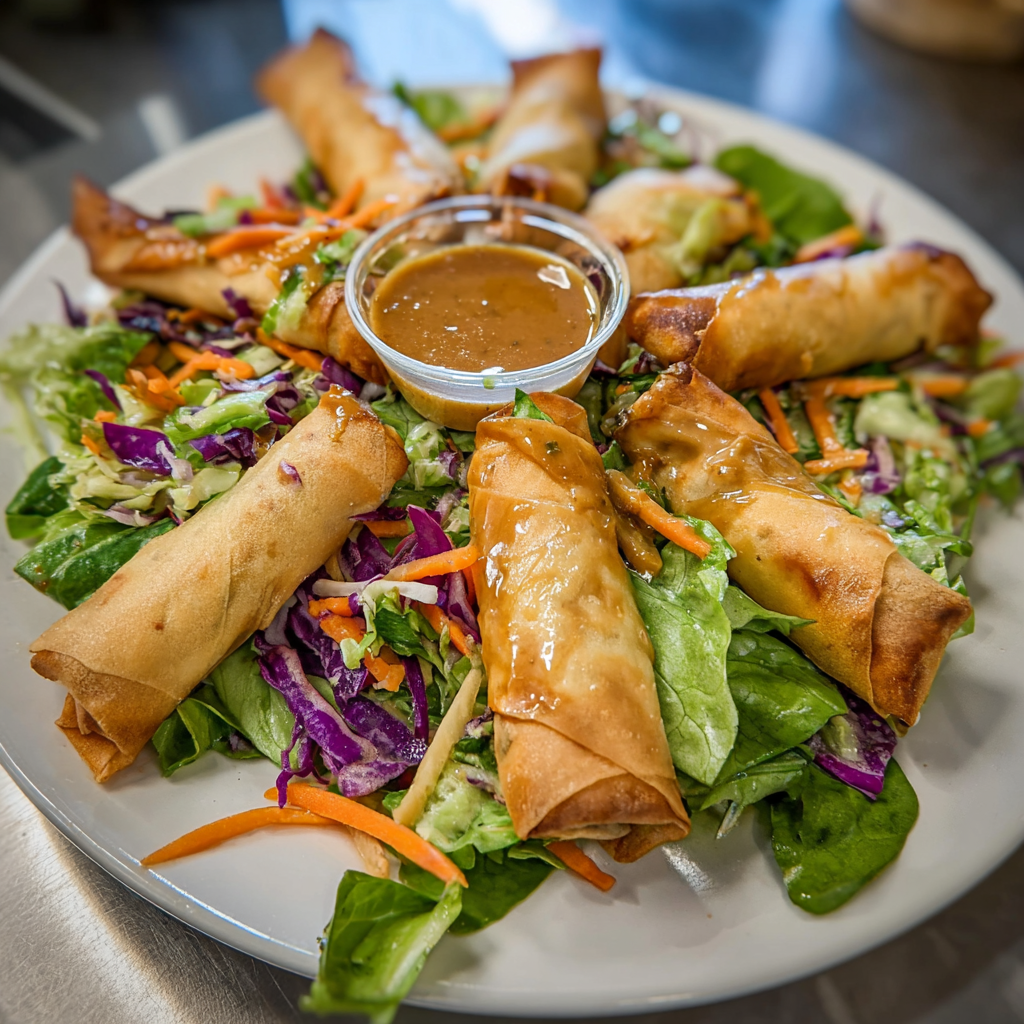
As the days grow warmer and the colors of spring emerge, a refreshing spring roll salad becomes the perfect dish to savor the seasonal ingredients. This vibrant salad combines crisp vegetables, fresh herbs, and a delectable peanut dressing that ties everything together beautifully.
With its roots in Asian cuisine, this salad channels the beloved flavors of traditional spring rolls without the fuss of rolling. It is both nutrient-dense and visually appealing, making it a great choice for lunch or as a side for dinner. Gather your ingredients and let the crunch and taste of spring shine through.
Ingredients
- 2 cups red cabbage, shredded
Red cabbage adds a beautiful purple hue and a satisfying crunch, along with essential vitamins C and K. Its slightly peppery flavor complements the dressing well. - 1 cup carrots, julienned
Carrots bring a natural sweetness and vibrant color to the salad. They're rich in beta-carotene, which supports eye health and adds a nutritious touch. - 1 cup cucumber, thinly sliced
Cucumber contributes a refreshing, watery crunch that balances the richer flavors. It's also hydrating and low in calories, making the salad light and crisp. - 1 cup bell pepper, thinly sliced (any color)
Bell peppers provide sweetness and a satisfying crunch. Their bright colors not only enhance the visual appeal but also offer a variety of vitamins and antioxidants. - 1 cup fresh herbs (mint and cilantro)
Fresh herbs impart a burst of flavor and aroma, elevating the salad's complexity. They also bring various health benefits, such as aiding digestion and enhancing immunity. - 1/2 cup cooked rice noodles
Rice noodles give the dish substance, making it more filling while maintaining the lightness. They serve as a great base to catch the dressing and flavors. - 1/4 cup roasted peanuts, chopped
Roasted peanuts add a delightful crunch and depth of flavor, along with healthy fats and protein, making the salad satisfying. - For the dressing: 1/4 cup peanut butter
Peanut butter forms the creamy base of the dressing, adding rich flavor and a dose of healthy fats that enhance the salad. - 2 tablespoons soy sauce
Soy sauce provides a savory umami flavor that deepens the overall taste of the dressing. Use a low-sodium version to keep it healthier. - 1 tablespoon rice vinegar
Rice vinegar adds a gentle tang that balances the richness of the peanut butter, brightening the dressing and enhancing the flavor profile. - 1 tablespoon honey or maple syrup
A touch of sweetness from honey (or maple syrup for a vegan option) harmonizes with the salty and tangy components, creating a well-rounded dressing. - 1 teaspoon sesame oil
Sesame oil introduces a toasty flavor reminiscent of traditional Asian dishes, enhancing the overall richness of the dressing. - Optional: lime wedges for serving
Fresh lime wedges can brighten the flavors upon serving, adding an additional burst of acidity to balance the dish.
Directions & Preparation
Step 1: Prepare the vegetables and herbs.
Start by washing and slicing the vegetables finely. This step is crucial for creating a delightful texture and balance of flavors in your salad. Shredded cabbage, julienned carrots, and sliced cucumbers should have uniform sizes, ensuring that every bite contains the right combination of ingredients. Fresh herbs should be rinsed and roughly chopped to release their essential oils.
Step 2: Cook the rice noodles according to the package instructions.
Cooking the rice noodles properly ensures they achieve the right texture—soft yet still slightly chewy. Be sure to rinse them under cold water after cooking to stop the cooking process and prevent them from sticking together. This not only improves their texture but also makes them more refreshing in your salad.
Step 3: Prepare the peanut dressing by whisking together the ingredients.
In a bowl, combine peanut butter, soy sauce, rice vinegar, honey, and sesame oil. Whisk until smooth, adjusting the consistency with water if needed. A well-mixed dressing is essential for a harmonious flavor experience; it should be creamy but not too thick. Taste as you go, adjusting sweetness or acidity to match your preference.
Step 4: Combine all salad components in a large bowl.
In a large mixing bowl, gently toss the shredded vegetables, herbs, and noodles until evenly distributed. This step ensures each bite captures the vibrant mix of flavors and textures. The salad's visual appeal enhances its charm, so take the time to arrange the components artfully.
Step 5: Pour the peanut dressing over the salad and toss gently.
Drizzling the dressing over the salad just before serving ensures everything stays crisp and fresh. Gently toss the salad using tongs or two forks, ensuring that every ingredient is coated with the dressing without breaking the noodles or vegetables.
Step 6: Serve the salad, garnished with chopped peanuts and lime wedges.
Garnishing with chopped peanuts not only adds a nutty crunch but also enhances the dish's visual appeal. Lime wedges served on the side provide an option for added brightness, which can elevate the overall flavor. It's time to enjoy your delicious creation!

The Textural Triumph of Fresh Ingredients
The success of this spring roll salad lies in its diverse textures, from the crispness of cabbage to the smoothness of peanut butter in the dressing. Each ingredient plays an important role in creating a cohesive dish that delights the palate. This variety not only contributes to the sensory experience but also enhances the nutrition profile, ensuring a wholesome meal.
Peanut Dressing: A Flavorful Harmony
The peanut dressing is the heart of this salad, tying together the various elements with its rich, creamy texture and savory notes. Its balance of sweet, salty, and tangy flavors complements the freshness of the vegetables. You can adjust the dressing to your taste, making it thicker or thinner as desired, while keeping the essence of a traditional spring roll.
Customizing Your Salad for Seasonal Flavors
One of the best aspects of the spring roll salad is its versatility. Depending on the season, you can swap in other fresh ingredients. Think snap peas in early summer or grated beetroot in autumn. This adaptability allows you to keep the dish exciting and tailored to your preferences while continuing to celebrate seasonal produce.
FAQs
Can I make the peanut dressing spicier?
Yes, you can add a pinch of cayenne pepper or a splash of Sriracha to the dressing for a spicy kick, enhancing the overall flavor profile.
What should I do if the peanut dressing is too thick?
If the dressing turns out too thick, simply whisk in a few teaspoons of warm water until you reach your desired consistency for drizzling.
Can I substitute the rice noodles for another type?
Absolutely! You can use soba, glass noodles, or even zoodles (zucchini noodles) as alternatives to rice noodles for a gluten-free or low-carb option.
What can I add to boost the protein content in this salad?
Adding grilled chicken, shrimp, or tofu can significantly increase the protein content, making the salad more substantial and filling.
How can I make this salad more colorful?
Incorporate a wider variety of vegetables such as purple carrots, cherry tomatoes, or radishes to enhance the visual appeal and nutritional diversity.
How can I improve the flavor if the salad tastes bland?
Tossing in additional fresh herbs or a squeeze of lime juice can heighten the freshness, and adjusting seasoning levels can enhance the overall flavor.
Conclusion
This spring roll salad with peanut dressing is not just a meal—it's an experience of vibrant flavors and crisp textures that refreshes the palate. The versatility of the ingredients and the ease of preparation make it suitable for any occasion, from casual lunches to elegant dinners.
As you enjoy this salad, don’t hesitate to experiment with different seasonal ingredients and adjust the peanut dressing to suit your taste. Embrace the flavors of spring and take a moment to appreciate the beauty of fresh, nourishing ingredients on your plate.
Recipe Card
Notes
Additional serving suggestions: pair with a crisp salad, garlic bread, or roasted seasonal vegetables for balance.
For make-ahead, prep components separately and assemble just before heating to preserve texture.
Taste and adjust with acid (lemon/vinegar) and salt right at the end to wake up flavors.


