Introduction
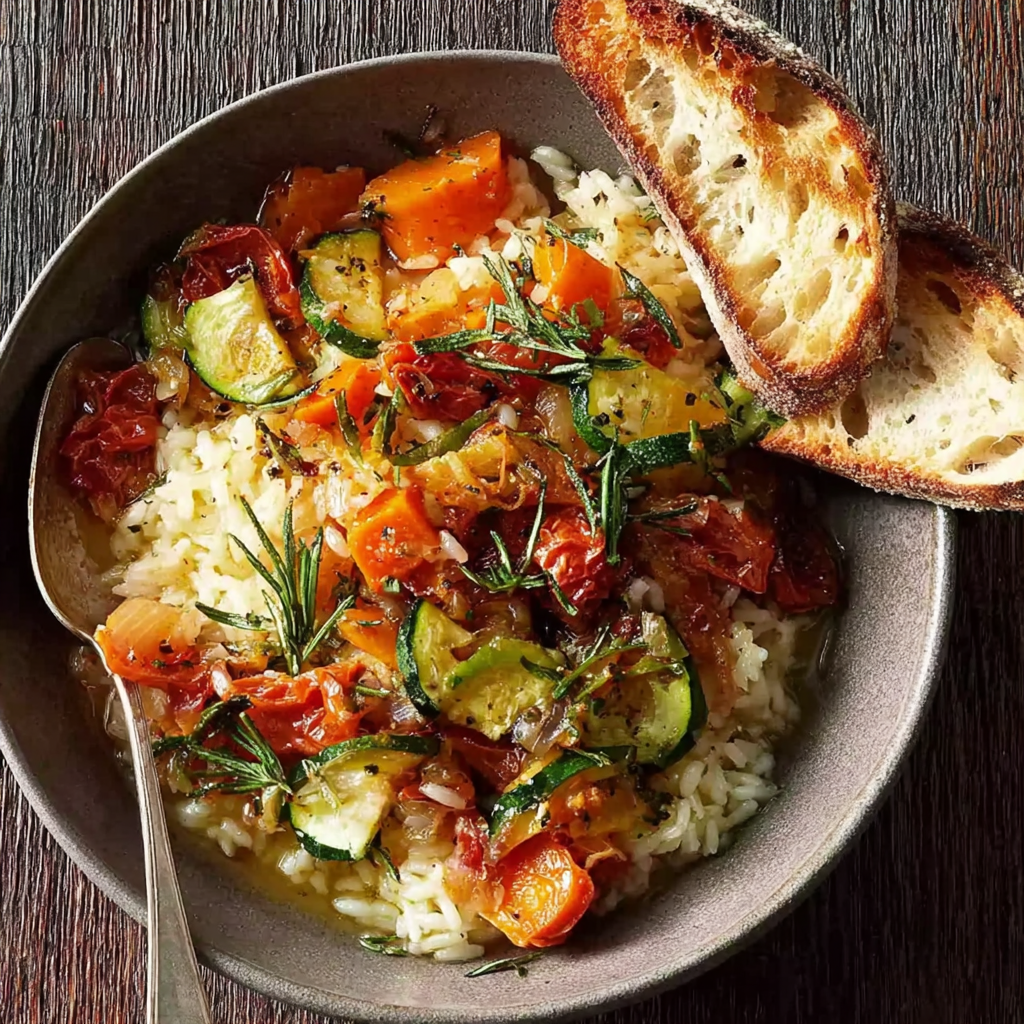
Vegetable-based dinners offer a wide array of flavors and nutrients, making them perfect for any evening meal. The versatility of vegetables enables home cooks to explore cuisines from around the globe, ensuring each night can be an innovative culinary experience.
This collection of creative veggie dinner ideas will inspire you to maximize seasonal produce and incorporate beloved flavors. From hearty grain bowls to flavorful stir-fries, each recipe showcases how satisfying and delicious plant-based meals can be.
Ingredients
- 1 cup quinoa
Quinoa serves as an excellent base for your dish, providing a complete protein source. It's rich in fiber, magnesium, and other essential nutrients, making it both healthy and filling. - 2 cups mixed vegetables (bell peppers, zucchini, broccoli)
These colorful mixed vegetables add a burst of flavor and texture. They are packed with vitamins and minerals and can be varied according to seasonal availability, ensuring freshness. - 2 tbsp olive oil
Olive oil not only enhances the taste of your vegetables but also provides healthy fats that aid in nutrient absorption. Its rich flavor and anti-inflammatory properties make it a crucial addition. - 1 tsp garlic powder
Garlic powder infuses the dish with a savory aroma and depth of flavor, complementing the fresh vegetables beautifully. It's a time-saver compared to fresh garlic while still offering great taste. - 1 tsp cumin
Cumin adds an earthy warmth to the dish, enhancing the overall flavor profile. It's a staple spice in many cuisines and pairs well with both vegetables and grains. - Salt and pepper to taste
Seasoning brings all ingredients together, elevating flavors. By adjusting the salt and pepper, you can customize the taste to suit your palate. - 2 cups vegetable broth
Using vegetable broth instead of water for cooking quinoa adds an extra layer of flavor. It helps to absorb the seasonings and enrich each bite, making the dish more satisfying.
Directions & Preparation
Step 1: Rinse and cook the quinoa.
Start by rinsing the quinoa under cold water to remove its natural coating, saponin, which can cause a bitter taste. Cook it in vegetable broth instead of water to amplify its flavor. Bring the broth to a boil, then reduce to a simmer and cover for about 15 minutes, or until all the liquid is absorbed. Fluff with a fork, then set aside.
Step 2: Prepare your vegetables.
While the quinoa cooks, prepare your mixed vegetables. Chop them into bite-sized pieces to ensure even cooking. Use a mix of colors for a visually appealing meal and to benefit from a variety of nutrients. If you have any tough vegetables, consider par-cooking them to ensure everything cooks evenly.
Step 3: Heat olive oil in a large skillet.
In a large skillet, heat olive oil over medium heat. This oil will help to sauté the vegetables and develop their flavors. Make sure not to heat the oil too high; you want it to shimmer without smoking, which could negatively affect the taste.
Step 4: Sauté the vegetables.
Add the chopped vegetables to the skillet and sauté for about 5-7 minutes, or until they are tender yet still crisp. Stir frequently to ensure even cooking and to avoid burning. By sautéing, you’re enhancing their natural sweetness and bringing out their flavors.
Step 5: Season your vegetable mix.
Once the vegetables are cooked, stir in garlic powder, cumin, salt, and pepper. This step allows the spices to coat the vegetables evenly, enhancing their taste. Let the mixture cook for a few more minutes, ensuring the spices become fragrant.
Step 6: Combine the quinoa and vegetable mix.
Add the cooked quinoa to the skillet with the sautéed vegetables. Mix well to combine all ingredients, allowing the flavors to meld together. This creates a cohesive dish where each bite contains both protein and nutrients from the veggies.
Step 7: Serve and enjoy!
Once everything is combined, remove from heat and serve warm. This dish makes for a satisfying meal on its own, but you can also pair it with a side salad or some crusty bread. Garnish with fresh herbs or a squeeze of lemon for an extra touch.

Wholesome Grain Bowls: A Vibrant Option
Grain bowls are not only easy to assemble, but they also allow for endless creativity. Use your choice of base, like quinoa or farro, topped with sautéed vegetables, proteins like beans or chickpeas, and finished with a drizzle of tahini or avocado sauce for added richness. This flexible dish suits every taste, making it an exciting dinner option.
Stir-Fries: Quick and Flavorful Dinner Solutions
Stir-fries can transform simple ingredients into a vibrant meal in minutes. Combine any combination of vegetables, proteins, and your favorite sauce. The key is high heat and constant movement in the pan, sealing in flavors and maintaining crisp textures. Serve over a bed of rice or noodles for a satisfying dinner that requires minimal effort.
Roasted Vegetables: Elevate Evening Meals
Roasting vegetables enhances their natural sweetness and creates a delightful texture. Toss seasonal vegetables in olive oil and your favorite herbs, then roast until tender and caramelized. This technique crowns simple meals with extraordinary flavors and can be served alongside grains, in salads, or mixed into pasta.
FAQs
What can I add for extra protein?
Consider adding beans, lentils, or tofu for an extra protein boost. These ingredients complement the vegetables beautifully and enhance the overall dish’s nutritional profile.
What if my vegetable stir-fry turns out too bland?
If your stir-fry lacks flavor, try adding more salt, spices, or a splash of soy sauce or lemon juice. Tasting as you go allows you to adjust for the perfect balance.
Can I use frozen vegetables instead of fresh?
Yes, frozen vegetables work well in this recipe and can save time. Just ensure they are thawed and drained to prevent excess water from making the dish soggy.
How do I make my quinoa fluffier?
Ensure you rinse the quinoa thoroughly before cooking, which removes any bitterness. Also, stirring it gently after cooking can enhance its fluffy texture.
What herbs can I use for fresh flavor?
Herbs like parsley, cilantro, or basil can add freshness. Sprinkle them on top just before serving for an added layer of flavor.
Is it possible to scale this recipe for meal prep?
Absolutely! This recipe can be easily doubled or tripled for meal prep. Just remember to adjust the cooking time for larger batches.
Conclusion
Exploring creative veggie dinner ideas opens up a world of versatile cooking opportunities. Whether you opt for a grain bowl, stir-fried veggies, or roasted delights, the focus should always be on vibrant flavors and wholesome ingredients.
These recipes not only nourish the body but also celebrate the beauty of cooking with seasonal produce. Let each meal bring joy to your table and inspire you to continue experimenting with vegetables in new and exciting ways.
Recipe Card
Notes
Additional serving suggestions: pair with a crisp salad, garlic bread, or roasted seasonal vegetables for balance.
For make-ahead, prep components separately and assemble just before heating to preserve texture.
Taste and adjust with acid (lemon/vinegar) and salt right at the end to wake up flavors.


