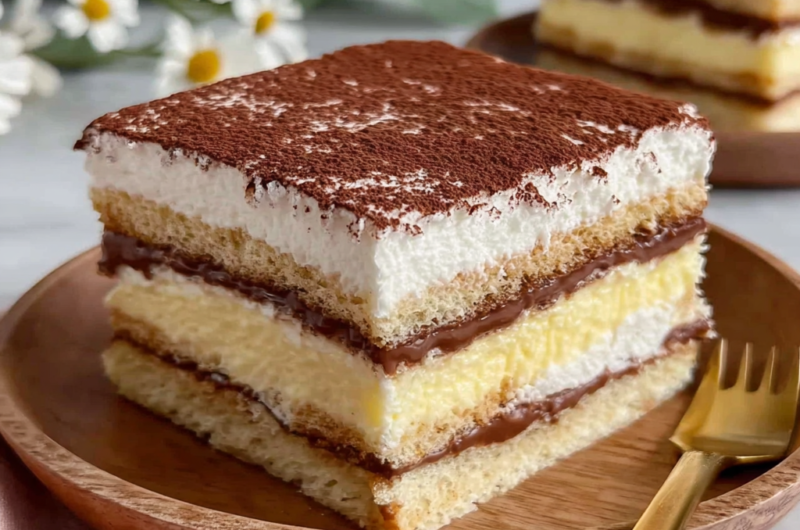
Introduction
Viral Japanese cheesecake has taken the culinary world by storm, captivating home cooks and dessert enthusiasts alike. This ethereal dessert is celebrated for its light, fluffy texture and pleasantly subtle flavor, making it a delightful treat for any occasion. As you explore this unique recipe, you’ll discover how simple ingredients can produce a dessert that feels truly extravagant.
Unlike traditional cheesecakes that can be hefty and dense, Japanese cheesecake offers an airy quality reminiscent of soufflés. This is a result of incorporating whipped egg whites, which lend volume and a delicate crumb. Whether you're entertaining guests or indulging in a sweet self-care moment, mastering the art of this cheesecake will surely impress.
Ingredients
- 250g cream cheese
Cream cheese is the heart of this cheesecake, providing richness and a smooth consistency. When softened, it blends seamlessly into the batter, ensuring a creamy texture that forms the basis of this delicate dessert. - 50g unsalted butter
Unsalted butter adds a depth of flavor and contributes to the cake's moistness. It also aids in creating a tender crumb, making each bite rich yet light. - 100ml milk
Milk hydrates the batter and helps create the perfect balance of moisture in the cheesecake. It enhances the overall flavor while ensuring the cake doesn't dry out during baking. - 80g granulated sugar
Sugar provides sweetness and helps to stabilize the whipped egg whites. It’s essential for achieving the right flavor profile while maintaining the desired light texture. - 4 large eggs
Eggs act as the main binding agent, adding structure and richness. Separating the yolks and whites allows us to whip the whites, incorporating air into the batter for that signature fluffiness. - 40g cake flour
Cake flour has a lower protein content, which contributes to a more tender finished product. It helps maintain the airy texture without making the cake dense. - 1 tsp lemon juice
Lemon juice enhances the flavor profile and adds brightness to the cheesecake. It also reacts with the eggs, helping to stabilize the structure and prevent the cake from collapsing. - a pinch of salt
Salt balances the sweetness, elevating the overall flavor of the cake. It enhances the taste of the other ingredients, making for a more harmonious final product.
Directions & Preparation
Step 1: Preheat your oven to 160°C (320°F).
Preheating the oven ensures that your cheesecake starts baking at the correct temperature, which is crucial for achieving the right rise and texture. This initial heat helps set the structure while the cake bakes evenly throughout.
Step 2: Prepare a round cake pan by lining it with parchment paper.
Lining the pan with parchment paper prevents the cheesecake from sticking and allows for easy removal once it’s baked. A properly prepared pan is key to achieving a flawless presentation, so take the time to do this step carefully.
Step 3: Melt the butter and cream cheese together in a saucepan over low heat.
This step ensures the cream cheese becomes soft and well-integrated with the butter, creating a smooth mixture. Gentle heat is necessary to avoid scorching, ensuring a creamy base that forms the foundation for the batter.
Step 4: In a separate bowl, whisk together the milk, egg yolks, and lemon juice.
This mixture binds the wet ingredients while incorporating air, which contributes to the cake's lightness. The addition of lemon juice brightens the flavors and enhances the texture of the final bake.
Step 5: Slowly incorporate the cream cheese mixture into the yolk mixture until smooth.
Combining these two mixtures gradually helps avoid lumps and ensures a consistent batter. A well-blended mixture is vital for an even texture and helps maintain the light structure once baked.
Step 6: Sift in the cake flour and mix until just combined.
Sifting the flour prevents clumping and introduces air, which is essential for achieving that fluffy texture. Mixing until just combined ensures you don’t overwork the batter, preserving the lightness needed for your cheesecake.
Step 7: In a clean bowl, beat the egg whites with a pinch of salt until foamy.
Beating the egg whites until foamy creates a structure that traps air, an essential step for the fluffiness of the cake. The addition of salt stabilizes the bubbles, ensuring they hold up during baking.
Step 8: Gradually add sugar to the egg whites while continuing to beat until stiff peaks form.
This step is crucial for achieving the right texture in your cheesecake. Stiff peaks indicate that the egg whites are stable enough to hold their shape, which is necessary for providing lift in the final mix.
Step 9: Fold the egg whites into the cream cheese mixture gently.
Folding the egg whites in carefully prevents deflating the air bubbles you've just created. This step is critical for maintaining the light texture of the cheesecake, so use a spatula and a gentle hand.
Step 10: Pour the batter into the prepared cake pan and smooth the top.
Pouring the batter into the pan should be done gently to retain volume. Smoothing the top helps with even cooking and provides a visually pleasing finish once the cake has baked.
Step 11: Bake in a water bath for approximately 25-30 minutes.
Using a water bath maintains a steady temperature and adds moisture to the baking environment. This prevents the cheesecake from cracking and helps it bake evenly, resulting in the delicate texture you want.
Step 12: Turn off the oven and leave the cheesecake inside for another 15 minutes.
This gradual cooling process helps your cheesecake adjust to the lower temperature, reducing the chance of collapse. It also finishes the cooking process gently, ensuring a creamy interior.
Step 13: Remove the cheesecake from the oven and cool completely before refrigerating.
Cooling the cheesecake completely prevents condensation and a soggy bottom. This final cooling phase, before refrigerating, ensures a beautiful texture and flavor development.

The Secret to Fluffiness
The airiness of a viral Japanese cheesecake is achieved primarily through beaten egg whites. The technique of incorporating them into the batter gently allows the air to remain captured, which is essential for its light and fluffy nature. This method differentiates it from denser cheesecakes, making each bite a truly ethereal experience.
The Role of Cream Cheese
Cream cheese is not just a staple ingredient; it shapes the cheesecake’s character. Its rich creaminess brings a delightful tang that balances the sweetness, while its structure serves as the backbone. Selecting a high-quality cream cheese makes a noticeable difference, as it influences both texture and taste.
The Water Bath Technique
Baking the cheesecake in a water bath is crucial for achieving that characteristic soft and moist texture. The steam created helps control the temperature during baking, preventing the top from cracking and ensuring even cooking. This technique elevates the cheesecake, ensuring a beautifully silky finish.
FAQs
Why did my cheesecake sink in the middle?
Cheesecakes that sink often indicate that the batter was overmixed or the egg whites were not whipped to stiff peaks. Both issues affect the structure, leading to collapse.
What should I do if my batter seems too thick?
If your batter feels too thick, adding a tablespoon or two of milk can help loosen it. This will ensure it flows better and incorporates air when mixing with the egg whites.
Can I use flavored cream cheese?
Using flavored cream cheese can alter the taste significantly. If you want a twist, consider adding extracts or zest instead, allowing for a more balanced flavor profile.
What if my cheesecake turned out bland?
If your cheesecake lacks flavor, consider increasing the sugar or adding a bit of vanilla extract or even a pinch of salt. Tasting the batter before baking allows you to adjust flavors as needed.
How can I tell if my cheesecake is done baking?
Look for a slightly browned top and a wobbly but set center. The edges should be firm while the middle has just a bit of jiggle, indicating it's perfectly cooked.
What can I serve with this cheesecake?
Pair your cheesecake with fresh fruits, a drizzle of chocolate sauce, or whipped cream to complement its lightness. These accents add flavor contrasts that enhance the overall experience.
Conclusion
Viral Japanese cheesecake is more than just a dessert—it's an experience that brings joy with every bite. The combination of its light texture and subtle flavors allows it to stand out in the world of sweets. Practicing this delightful recipe will not only impress your friends and family but also give you a satisfying sense of accomplishment.
Embrace the delicate nature of this cheesecake, and don't shy away from experimenting with flavors. Each baking session can lead to delightful variations, ensuring this dessert always has a place in your recipe repertoire.
Recipe Card
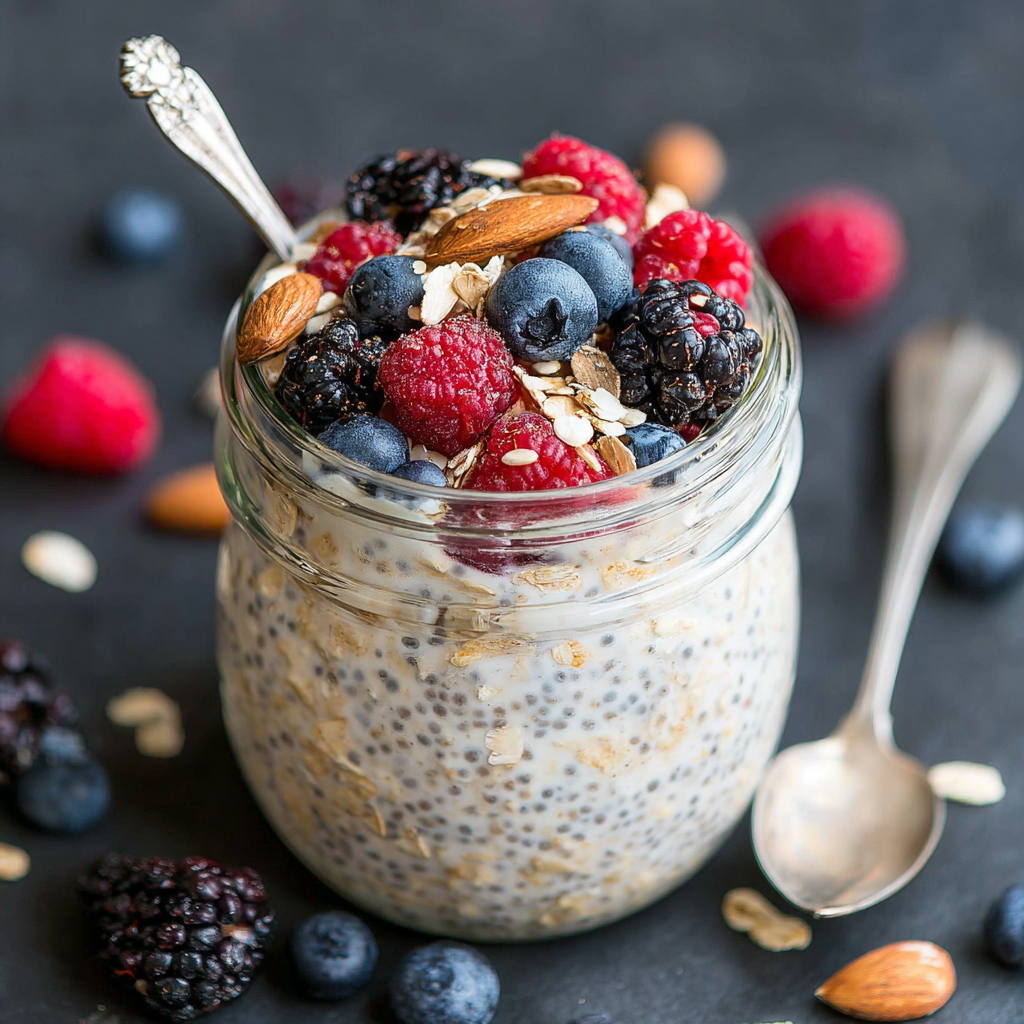
Nourishing Healthy Protein Overnight Oats Recipe
Ingredients
Method
- Combine oats, milk, and protein powder in a bowl or jar.
- Stir in the chia seeds and sweetener.
- Add vanilla extract and mix until combined.
- Layer in your chosen fruit.
- Cover and refrigerate overnight.
- Enjoy your oats the next morning, either cold or warmed up.
Notes
Additional serving suggestions: pair with a crisp salad, garlic bread, or roasted seasonal vegetables for balance.
For make-ahead, prep components separately and assemble just before heating to preserve texture.
Taste and adjust with acid (lemon/vinegar) and salt right at the end to wake up flavors.


