Introduction
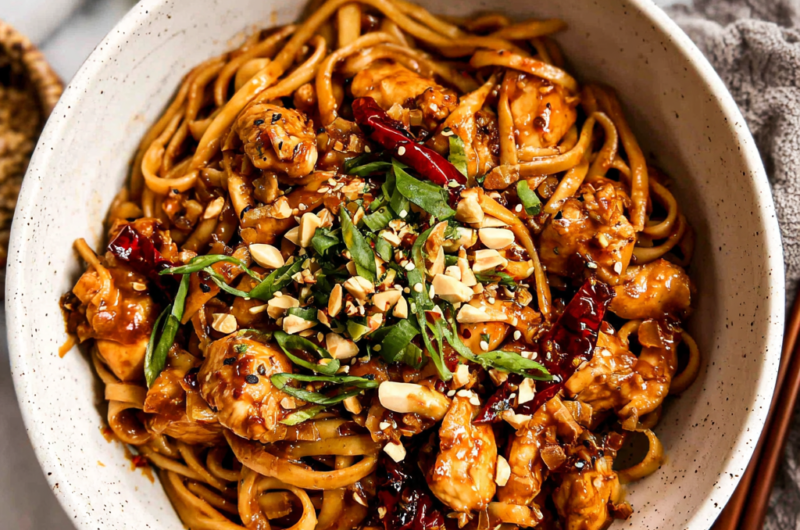
Kung Pao Chicken Noodles bring together the bold flavors of traditional Kung Pao chicken in a comforting noodle dish. Combining savory chicken, crunchy vegetables, and a tangy sauce, this dish is perfect for a weeknight dinner or a special occasion.
With just a few simple ingredients and straightforward techniques, you can recreate this restaurant favorite in your own kitchen. The dish's balanced flavors and textures will delight your palate, making it a favorite for both family and friends.
Ingredients
- 200g egg noodles
Egg noodles serve as the base for the dish, providing a hearty and chewy texture that pairs perfectly with the sauce and other ingredients. - 300g chicken breast, diced
Diced chicken breast adds protein and a satisfying bite to the dish, absorbing the flavors of the Kung Pao sauce while remaining tender during cooking. - 2 tablespoons vegetable oil
Vegetable oil is used for stir-frying, ensuring the chicken and vegetables cook evenly and achieve a nice golden finish without overpowering the dish's flavors. - 1 red bell pepper, diced
Red bell pepper adds a sweet crunch and vibrant color to the dish, enhancing both its appearance and flavor profile. - 1 green bell pepper, diced
Like the red bell pepper, the green bell pepper contributes to the texture and color while providing a slightly more earthy taste, balancing out the sweetness. - 2 cloves garlic, minced
Garlic infuses the dish with its distinctive aroma and flavor, elevating the overall profile and integrating with the other ingredients during cooking. - 1 tablespoon ginger, minced
Fresh ginger adds a warm, spicy note that enhances the dish's depth while complementing the savory elements of the sauce. - 3 tablespoons soy sauce
Soy sauce provides the essential umami flavor base of the dish, enhancing the taste of chicken and vegetables with its salty, savory profile. - 1 tablespoon rice vinegar
Rice vinegar adds acidity and brightness to the dish, balancing richness and helping to elevate the flavors of the other ingredients. - 1 tablespoon hoisin sauce
Hoisin sauce contributes sweetness and depth, enriching the overall flavor with its complex profile, making the dish even more satisfying. - 1 tablespoon Sichuan peppercorns
Sichuan peppercorns add a unique numbing spiciness, distinctive to Kung Pao dishes, enhancing the overall flavor experience and providing warmth. - 2 green onions, chopped
Chopped green onions add a fresh, oniony bite that contrasts beautifully with the rich flavors of the dish, bringing a final touch of brightness. - Salt and pepper, to taste
Seasoning with salt and pepper is crucial; it enhances the flavors of the dish, allowing the individual ingredients to shine.
Directions & Preparation
Step 1: Cook the egg noodles according to package instructions.
Cooking the egg noodles first ensures they are ready to mix with the other ingredients later. It's important to not overcook them; you want them al dente so they can soak up the flavors of the sauce without becoming mushy.
Step 2: Heat vegetable oil in a large skillet or wok over medium-high heat.
Heating the oil properly is crucial as it allows the ingredients to sear quickly, locking in moisture and flavor. Once the oil shimmers, it’s the perfect time to add the chicken, which should sizzle once it makes contact.
Step 3: Add the diced chicken and stir-fry until browned and cooked through.
Stir-frying the chicken ensures it remains tender and flavorful. The key is to keep the chicken pieces moving in the pan to achieve even cooking and a golden-brown exterior.
Step 4: Add the minced garlic and ginger to the skillet, cooking for another minute.
Adding garlic and ginger at this stage allows them to infuse their aromatic flavors into the chicken. Be careful not to burn them, as both ingredients can turn bitter if overheated.
Step 5: Incorporate the diced bell peppers into the skillet and stir-fry for 2-3 minutes.
Adding the bell peppers at this point ensures they retain some crunch. A few minutes of cooking will soften them slightly while keeping their vibrant color and sweetness intact.
Step 6: In a bowl, mix the soy sauce, rice vinegar, hoisin sauce, and Sichuan peppercorns.
This step combines the sauces and seasonings that will form the flavorful base of your dish. Mixing them beforehand ensures an even distribution of flavors when added to the skillet.
Step 7: Pour the sauce mixture into the skillet, stirring well to coat everything.
Coating the chicken and vegetables with the sauce is key to ensuring every bite is flavorful. Allowing the mixture to simmer for a minute helps meld the flavors together and thickens the sauce slightly.
Step 8: Add the cooked noodles to the skillet, tossing to combine.
Incorporating the noodles at this stage allows them to absorb the delicious sauce while ensuring they are evenly coated. This step transforms the dish into a cohesive, well-flavored meal.
Step 9: Season with salt, pepper, and garnish with chopped green onions.
Final seasoning adjustments can make or break a dish. Tasting at this stage allows you to balance flavors before serving. The green onions add a fresh pop of flavor to the dish.
Step 10: Serve hot, enjoying the delightful mix of textures and flavors.
Serving the dish hot ensures the ingredients remain at their best. This dish showcases a delightful balance of savory, spicy, and sweet, making it truly enjoyable.

Exploring the Essence of Kung Pao Sauce
The Kung Pao sauce is the heart of this dish, combining soy sauce, hoisin, and vinegar for a multilayered flavor profile. Each ingredient plays a vital role, creating the perfect balance of sweetness, umami, and tang. This sacred sauce not only enhances the chicken but also ties the noodles and vegetables together, creating a memorable dining experience that transports you to culinary adventures.
The Choice of Noodles: Why Egg Noodles?
Egg noodles are an excellent choice for Kung Pao Chicken Noodles due to their rich taste and chewy texture. Unlike other types of noodles, egg noodles have a unique ability to hold onto sauces, making every bite vibrant and flavorful. Their hearty quality complements the tender chicken and crisp veggies, creating a satisfying dish both visually and texturally.
Balancing Heat and Flavor in Your Dish
Achieving the perfect balance of heat and flavor is crucial when making Kung Pao Chicken Noodles. The addition of Sichuan peppercorns provides a distinct numbing spiciness, while the sweetness from hoisin sauce counters the heat. Adjusting the amount of peppercorns allows you to tailor the dish to your spice tolerance, making it accessible for everyone at the table.
FAQs
What if my sauce is too thin?
If your sauce turns out too thin, consider simmering it for a few more minutes without the noodles to allow it to reduce and thicken. Adding a cornstarch slurry can also help achieve the desired consistency.
The dish tastes too bland; how can I fix it?
If the dish tastes bland, adding a little more soy sauce or hoisin can enhance the flavor. Alternatively, a splash of rice vinegar can give it an extra zing. Taste as you go to find the right balance.
How can I make vegetarian Kung Pao noodles?
To create a vegetarian version, substitute the chicken with firm tofu or tempeh. Ensure to marinate the tofu to enhance its flavor and achieve a similar texture by pan-searing until crispy.
Can I use different vegetables in the recipe?
Absolutely! Feel free to swap in your favorite vegetables like broccoli, carrots, or snap peas. Just be aware of the cooking times to maintain their crispness.
Why did my chicken become tough during cooking?
Tough chicken often results from overcooking. Ensure your chicken is cooked just until there's no pink inside. Cutting the chicken into uniform pieces can also help achieve even cooking.
What can I do if my noodles are clumping together?
If your noodles clump, toss them with a small amount of oil after cooking to prevent sticking. Also, make sure to stir them well with the sauce once added to the skillet.
How can I make a gluten-free version of this dish?
To adapt this dish for a gluten-free diet, substitute regular soy sauce with tamari or a gluten-free soy sauce alternative and ensure your noodles are labeled gluten-free.
Can I add nuts to the Kung Pao Chicken Noodles?
Definitely! Adding roasted peanuts or cashews can provide an excellent crunch and additional flavor, sticking to traditional Kung Pao characteristics.
Conclusion
Creating Kung Pao Chicken Noodles at home is a rewarding experience that combines fresh ingredients and bold flavors. With each step, you'll find opportunities to adjust and personalize the recipe to suit your preferences.
Whether you're enjoying a quiet dinner or entertaining guests, this dish is sure to impress. Dive into your culinary adventure and savor the delightful flavors of this classic recipe.
Recipe Card
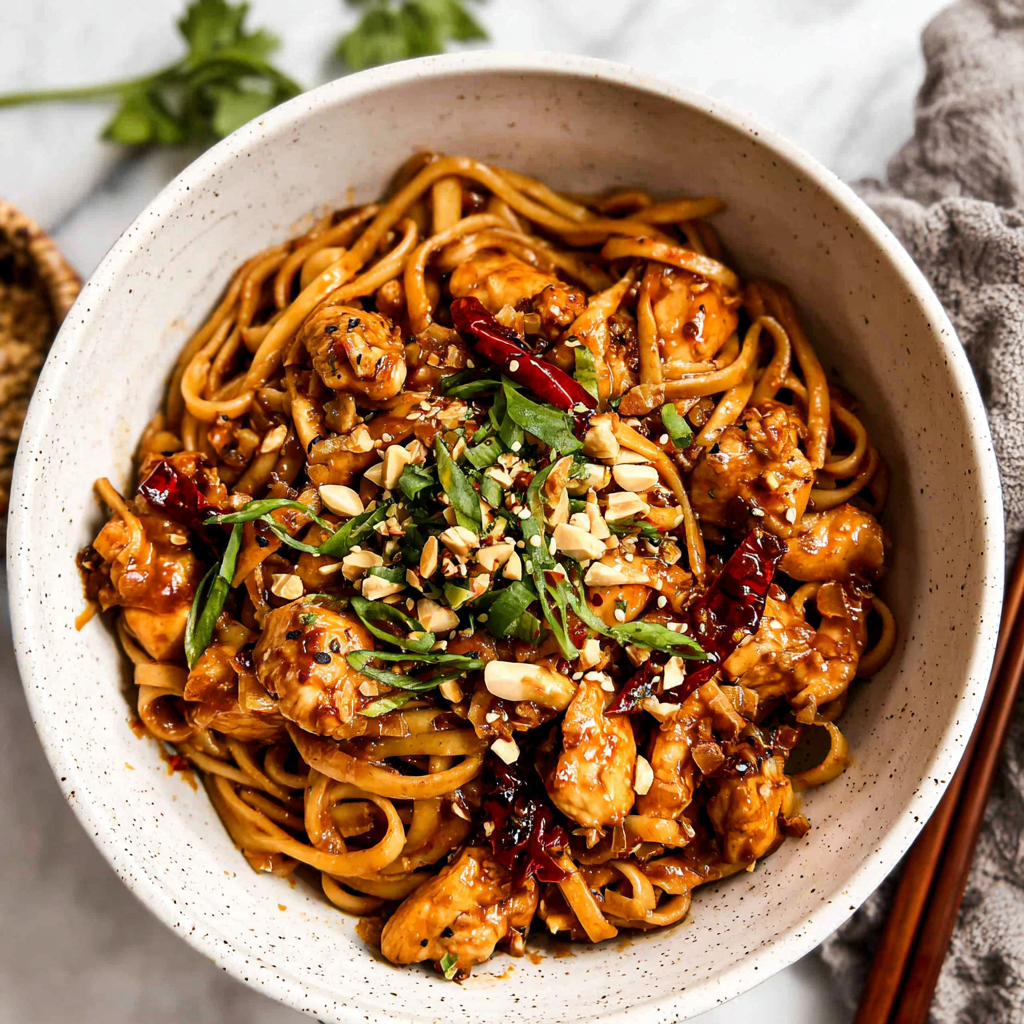
Flavorful Kung Pao Chicken Noodles for Home Cooks
Ingredients
Method
- Cook the egg noodles according to package instructions.
- Heat vegetable oil in a large skillet or wok over medium-high heat.
- Add the diced chicken and stir-fry until browned and cooked through.
- Add the minced garlic and ginger to the skillet, cooking for another minute.
- Incorporate the diced bell peppers into the skillet and stir-fry for 2-3 minutes.
- In a bowl, mix the soy sauce, rice vinegar, hoisin sauce, and Sichuan peppercorns.
- Pour the sauce mixture into the skillet, stirring well to coat everything.
- Add the cooked noodles to the skillet, tossing to combine.
- Season with salt, pepper, and garnish with chopped green onions.
- Serve hot, enjoying the delightful mix of textures and flavors.
Notes
Additional serving suggestions: pair with a crisp salad, garlic bread, or roasted seasonal vegetables for balance.
For make-ahead, prep components separately and assemble just before heating to preserve texture.
Taste and adjust with acid (lemon/vinegar) and salt right at the end to wake up flavors.


