Introduction
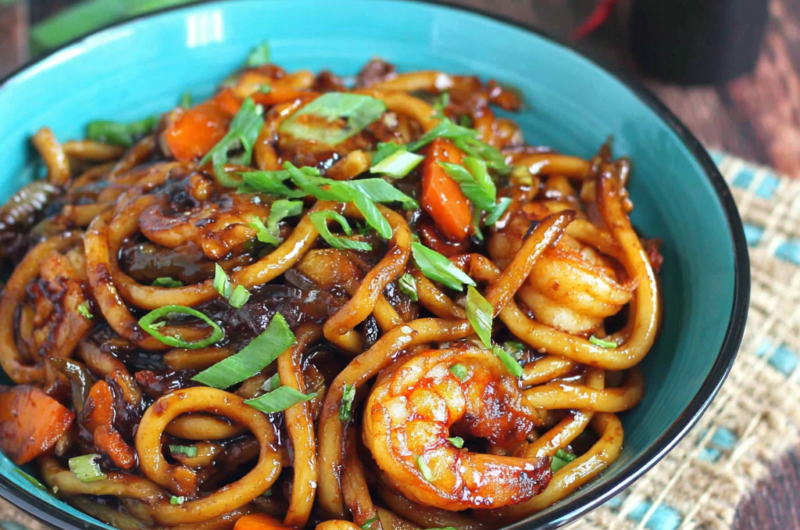
Yaki Udon, a beloved Japanese stir-fried noodle dish, is a perfect example of harmony between flavors and textures. The thick, chewy udon noodles combined with a colorful array of vegetables and proteins create a satisfying meal that can please any palate. Its versatility allows for endless variations, catering to both vegetarians and meat lovers alike.
Cooking Yaki Udon at home not only gives you control over the ingredients but also the opportunity to tailor the dish to your personal tastes. Whether you prefer a savory soy sauce base or the addition of unique elements like sesame oil, the simple process of stir-frying keeps the essence of this dish alive. Let’s dive into the heart of making Yaki Udon from scratch.
Ingredients
- 400g udon noodles
The star of Yaki Udon, these thick and chewy noodles provide a substantial base for the dish. They absorb flavors beautifully, making each bite satisfying. - 200g sliced chicken breast or tofu
Adding protein enhances the dish’s nutritional value and makes it more filling. Chicken adds a savory flavor, while tofu offers a plant-based alternative. - 1 bell pepper, sliced
This bright vegetable adds a sweet crunch and vibrant color to the dish, enhancing both the visual appeal and taste profile. - 1 medium carrot, julienned
Carrots bring natural sweetness and a crisp texture, complementing the other vegetables and adding a pop of color. - 100g broccoli florets
Broccoli contributes a fresh, earthy flavor and a contrasting texture. It's also packed with vitamins, making the dish healthier. - 3 green onions, chopped
Green onions provide a pungent, aromatic quality that brightens up the entire dish, enhancing the overall flavor. - 3 tbsp soy sauce
Soy sauce is essential for imparting the umami flavor characteristic of Yaki Udon. It adds depth and richness to the overall dish. - 1 tbsp oyster sauce (optional)
This sauce can deepen the savory notes; it's a classic addition in many Asian dishes, giving a slightly sweet and complex taste. - 2 tbsp sesame oil
Sesame oil adds a nutty aroma and flavor, rounding out the dish and enhancing its authenticity. - Salt and pepper to taste
Seasoning is crucial in achieving balance in flavors; salt enhances all the other tastes, while pepper adds a bit of heat.
Directions & Preparation
Step 1: Prepare the udon noodles according to package instructions.
Cooking the noodles properly is key to achieving the perfect texture. They should be slightly chewy but not overcooked, as they will further cook when added to the stir-fry. Drain and rinse the noodles under cold water to stop the cooking process, which prevents them from becoming mushy.
Step 2: Heat sesame oil in a large skillet or wok over medium-high heat.
Heating the oil before adding ingredients creates a non-stick environment and enhances the flavor. Medium-high heat is ideal to achieve that coveted stir-fried texture, allowing the ingredients to sear rather than steam.
Step 3: Add the sliced chicken (or tofu) to the pan and cook until golden brown.
This step develops a rich flavor and texture. Searing the protein adds a caramelized layer that enhances the overall taste of the dish. Ensure there’s enough space between the pieces for even cooking.
Step 4: Introduce the sliced vegetables, starting with the harder ones like carrots and broccoli.
Adding vegetables incrementally allows for even cooking. The harder vegetables take longer to soften, so starting with them ensures a balance of textures. Stir-frying them retains their crunch while allowing them to soak up flavors.
Step 5: Add the bell pepper and green onions, followed by the cooked udon noodles.
Adding bell pepper and green onions later in the sequence maintains their textural integrity and bright color. Incorporating the noodles at this stage mixes everything together, ensuring even distribution of flavors.
Step 6: Pour in the soy sauce and oyster sauce (if using), stirring well to coat all ingredients.
Sauces are essential for flavor—and pairing them correctly is crucial. Stirring continuously allows for an even coating, ensuring each noodle and vegetable is flavorful.
Step 7: Season with salt and pepper to taste, and stir-fry for an additional minute.
This last-minute seasoning can significantly elevate the dish. Tasting is key in this process; keep adjusting until the flavors are balanced to your preference.
Step 8: Serve hot, garnished with extra green onions if desired.
Serving the dish hot enhances its aroma and flavor. A sprinkle of additional green onions not only adds a finishing touch but also invites freshness to the rich flavors of the stir-fry.

Choosing the Right Noodles for Yaki Udon
Yaki Udon is traditionally made with thick udon noodles, known for their chewy texture and ability to absorb flavors. When selecting udon, you can choose between fresh, frozen, or dried varieties. Fresh udon typically offers the best texture and taste, but frozen is a convenient option, while dried may require longer cooking time to achieve the desired chewiness.
Vegetable Medley Options for Personalization
While the recipe showcases bell peppers, carrots, and broccoli, Yaki Udon is wonderfully adaptable. Feel free to incorporate seasonal vegetables such as snap peas, shiitake mushrooms, or even bean sprouts. Each addition changes the dish’s flavor profile and can introduce new textures, allowing you to make it your own.
Protein Variations: From Seafood to Vegan Options
The versatility of Yaki Udon extends to its protein sources. While chicken and tofu are common choices, consider swapping in shrimp, beef, or a plant-based meat substitute. Each protein brings a unique flavor and texture, making it easy to cater the dish to dietary preferences or what you have on hand.
FAQs
What if my Yaki Udon turns out bland?
If your Yaki Udon lacks flavor, consider adding more soy sauce, oyster sauce, or a dash of mirin. Tasting while cooking allows you to adjust seasoning to your palate.
How can I fix Yaki Udon that is too thick?
If your dish becomes too thick, add a splash of water, broth, or additional soy sauce while stirring to loosen the noodles and evenly distribute the flavors.
Can I make Yaki Udon without soy sauce?
Yes, if you want to avoid soy sauce, try using tamari, coconut aminos, or a homemade sauce made with alternative ingredients like vinegar and spices.
What can I substitute for udon noodles?
If udon noodles are unavailable, consider using soba noodles or rice noodles as alternatives, adjusting cooking times accordingly.
How do I know if my vegetables are cooked properly?
Vegetables should be tender yet crisp. A quick taste test ensures they maintain their color and crunch, contributing to the dish's overall texture.
Can I add more vegetables than the recipe suggests?
Absolutely! Feel free to add more veggies to suit your preference or to pack in additional nutrients. Just be cautious not to overcrowd the pan.
Conclusion
Yaki Udon is not just a meal; it is an experience that brings the essence of Japanese cuisine to your kitchen. Whether you stick to traditional ingredients or experiment with toppings, the combination of chewy noodles and vibrant vegetables is always satisfying.
With this recipe, you can impress your family or enjoy a comforting solo meal. Embrace the simple pleasures of cooking, and let each bite transport you to the heart of Japan's culinary landscape.
Recipe Card
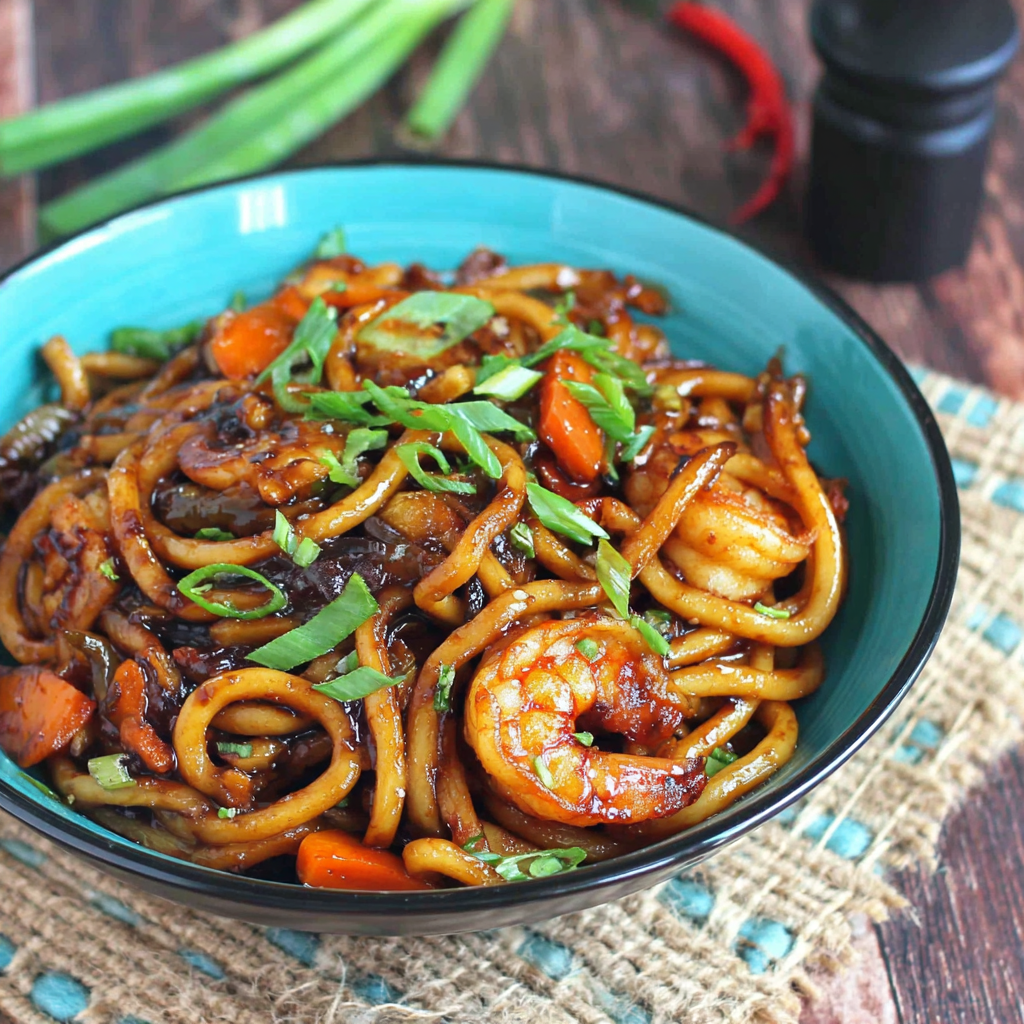
Savoring the Flavors of Yaki Udon at Home
Ingredients
Method
- Prepare the udon noodles according to package instructions.
- Heat sesame oil in a large skillet or wok over medium-high heat.
- Add the sliced chicken (or tofu) to the pan and cook until golden brown.
- Introduce the sliced vegetables, starting with the harder ones like carrots and broccoli.
- Add the bell pepper and green onions, followed by the cooked udon noodles.
- Pour in the soy sauce and oyster sauce (if using), stirring well to coat all ingredients.
- Season with salt and pepper to taste, and stir-fry for an additional minute.
- Serve hot, garnished with extra green onions if desired.
Notes
Additional serving suggestions: pair with a crisp salad, garlic bread, or roasted seasonal vegetables for balance.
For make-ahead, prep components separately and assemble just before heating to preserve texture.
Taste and adjust with acid (lemon/vinegar) and salt right at the end to wake up flavors.


